By The Rio Times | Created at 2026-10-18 06:26:24 | Updated at 2026-10-18 07:09:34
1 hour ago
By The Rio Times | Created at 2026-10-18 06:26:24 | Updated at 2026-10-18 07:09:34
1 hour ago
NIGERIA · TRAVEL GUIDE
Key Facts
- —The country Nigeria is a West African country where the Federal Road Safety Corps (FRSC) polices a busy highway network shared by cars, buses, motorbikes and heavy trucks.
- —Why it matters US visitors and expats meet risks that differ from US roads, including speeding, crowded commercial buses, fuel tankers, night driving and kidnapping on some interstate routes.
- —Why now A diesel tanker crash in Ibadan on Saturday 17 October 2026 reportedly killed at least five people, and the December festive travel peak is two months away.
- —What happened The FRSC recorded 10,446 crashes and 5,289 deaths in 2025, with crashes up 9.2% and deaths down 2.4% from 2024.
- —The numbers The FRSC counted 33,400 injuries in 2025, and speeding was 41% of identified crash causes in December 2025.
- —What it means for you Read the US advisory (Level 3, issued 12 June 2026), travel in daylight, book your transport in advance and save the FRSC toll-free line 122.
- —Still open The cause of the Ibadan crash, and whether the 2025 improvement in deaths continues through 2026.
Nigeria highway safety is a daily concern for US visitors and expats, with the Federal Road Safety Corps (FRSC) recording 10,446 road crashes and 5,289 deaths across the country in 2025. The US State Department rates Nigeria at Level 3, Reconsider Travel, in an advisory issued on 12 June 2026, and it warns about poor roads and night driving.
A diesel tanker crash in Ibadan on Saturday 17 October 2026 brought the risk into focus, as Punch reported at least five deaths, citing the Oyo State Road Traffic Management Authority. This guide sets out the official numbers, tanker traffic, the US advisory and practical steps for visitors, and it blames no one involved in any crash.
Nigeria Highway Safety in Numbers
The FRSC counted 10,446 road crashes in 2025, up 9.2% from 9,570 in 2024, its Corps Marshal, Shehu Mohammed, told a press briefing in Abuja on Wednesday 4 February 2026. Deaths fell 2.4% to 5,289 from 5,421, while injuries rose 7.2% to 33,400.
Travel grew at the same time, with passenger traffic rising from 45.16 million to 47.47 million and distance covered from 4.07 billion to 4.88 billion kilometres. The Corps Marshal said the fall in deaths was real but short of the FRSC’s 10% reduction target.
FRSC data published by the National Bureau of Statistics put speed violations at the top of crash causes in the second quarter of 2025, when 2,631 crashes were recorded. Wrongful overtaking (202 cases), tyre bursts (186), dangerous driving (157), route violations (145) and brake failure (143) followed, according to BusinessDay.
Mr Mohammed called speed “the single greatest threat to life on Nigerian roads” and said speed violations made up 41% of identified causes in December 2025. Buses were the vehicle type most often involved that month, with 339 crash cases.
Follow this story
Get an email when there’s news on Nigeria
Free. One email a day at most, and only when there is news. This also signs you up to our weekday newsletter, Africa Intelligence. Nothing arrives until you click the confirmation link, and you can stop either with one click. Privacy policy.
Tanker Risks on Nigerian Roads
The FRSC said tanker-related fatalities fell 61.29% and the crash severity index fell 15.53% in 2025, and it credited its Safe-to-Load programme. Its Corps Marshal, Shehu Mohammed, gave the figures at a training event in Lagos, reported on 10 April 2026.
Road transport carries more than 95% of petroleum products in Nigeria, the News Agency of Nigeria reported on 16 April 2026, so fuel tankers share many highways with ordinary traffic. Under the Safe-to-Load programme, which began in 2015, tankers must meet safety checks before they can load at depots.
The FRSC says compliance with the Class G driver licence requirement has reached 99.4%, up from 58.2% when the programme began. It also warned that tampering with speed limiters could bring prosecution.
In Ibadan on Saturday 17 October 2026, a diesel tanker fell onto several vehicles at Aduloju Bus Stop on the Iwo Road to Ojoo Expressway around ten in the morning. The Oyo State Road Traffic Management Authority told Punch that the tanker lost its brakes after traffic built up behind a broken-down trailer, and Aminiya also reported at least five deaths.
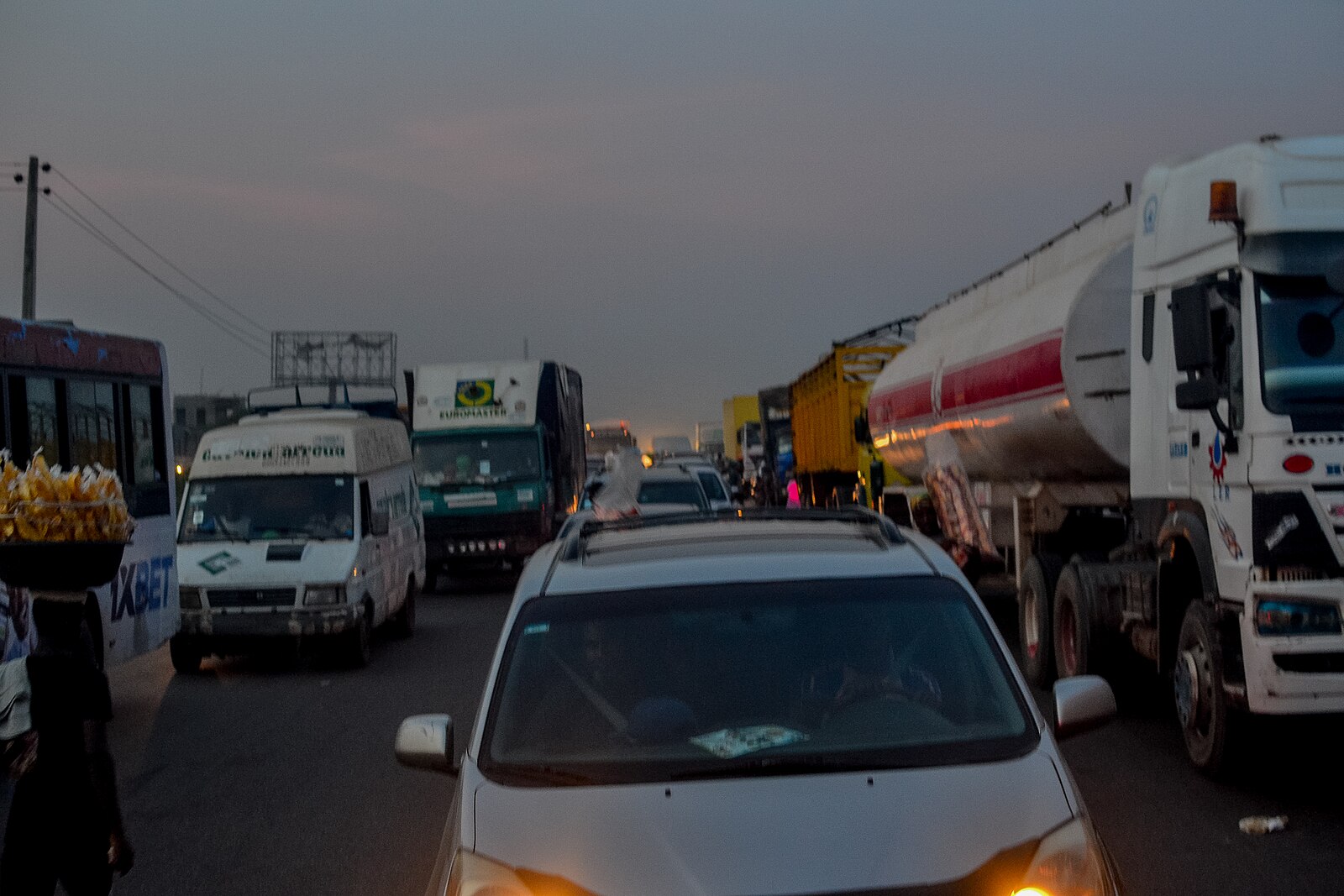
For travellers, sensible habits are to keep extra distance behind tankers, avoid overtaking them on bends or hills and avoid stopping beside one in a jam. If a tanker overturns or leaks, move well away from the fuel, keep others back and call for help from a safe distance, as these are our suggestions and not an FRSC rule.
What the US Travel Advisory Says
The State Department advisory for Nigeria is Level 3, Reconsider Travel, with a date issued of 12 June 2026 and travel guidance updated on 25 June 2026. It cites crime, terrorism, unrest, kidnapping and the availability of health care.
It tells Americans not to travel to Borno, Jigawa, Kogi, Kwara, Niger, Plateau, Taraba, Yobe and northern Adamawa, and lists more states at Level 4, including Kaduna, Kano, Anambra and Delta. Rivers is also at Level 4 except for Port Harcourt, and travellers should check the live page for the current list.
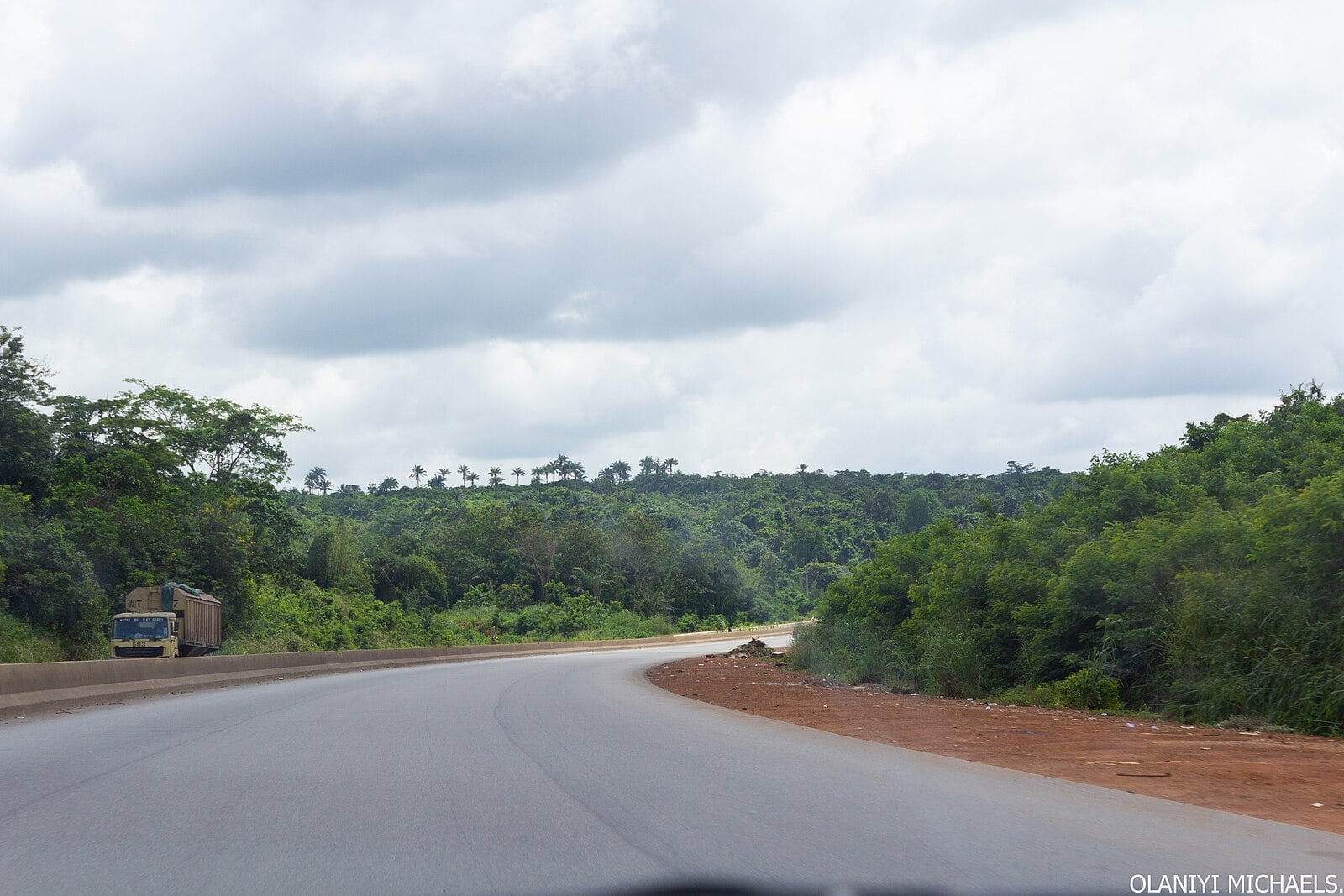
On roads, the advisory says: “Roads are generally in poor condition.” It adds that driving between 6 p.m. and 6 a.m. “must be done with extreme caution” and that kidnapping gangs have stopped drivers on interstate roads to rob and kidnap them.
The advisory calls buses and motorbikes unsafe because of poor maintenance, high speeds and overcrowding, and says unauthorised taxis are used by “one chance” robbers. It describes app-based ride-shares as viewed as safer than traditional taxis, and it bars US embassy and consulate staff from using public transport.
Several of the FRSC’s deadliest festive corridors, including Abuja to Lokoja, Zuba to Kaduna to Zaria and Benin to Asaba to Awka, pass through states listed at Level 4. Lokoja is the capital of Kogi State, and Asaba and Awka are the capitals of Delta and Anambra.
The advisory says the US government has limited ability to provide emergency services to US citizens outside Abuja and Lagos and their immediate surroundings. It urges travellers to enrol in the Smart Traveler Enrollment Program (STEP) for alerts.
How to Travel by Road More Safely
Plan long journeys for daylight so that you arrive before 6 p.m., the hour from which the US advisory asks for extreme caution. This is a practical suggestion, and advice from your host or employer about your specific route should come first.
If you hire a driver, use one recommended by your hotel, employer or a company you can verify, and ask about the vehicle’s tyres and brakes before a long trip. Tyre bursts and brake failure appear among the FRSC’s recorded crash causes, which is why those two checks matter.
For airport transfers, pre-arrange a pick-up through your hotel or employer, or use an app-based ride-share that the advisory views as safer than traditional taxis. Avoid getting into any unbooked car, since the advisory warns about “one chance” robberies in unauthorised taxis.
Wear a seat belt in every seat, and agree with your driver in advance that speed stays within the limit. For interstate trips, check the Level 4 list before choosing a route and consider flying between major cities, which is our suggestion and not an official instruction.
What to Do After a Crash
Move to a safe place if you can, check for injuries and call the FRSC toll-free line 122, which its website lists as its main number. Its other published contacts are 0700-CALL-FRSC, +234 (0) 913 960 0038 and +234 (0) 913 960 0037.
Give the road name, the nearest landmark, the vehicle types and whether fuel has spilled, because a detailed call helps responders bring the right equipment. A ThisDay commentary on 7 March 2026 noted that weak mobile coverage in rural areas and low public awareness limit how well the line works.
US citizens can contact the US Embassy in Abuja or the Consulate General in Lagos, which the advisory lists, and should keep insurance and hospital details to hand. The advisory also says emergency services in Nigeria are “nonexistent in comparison to those in the United States or Europe”, so plan for delays.
What It Means for You
For US visitors, the main lessons are to travel in daylight, book your transport and treat Nigeria highway safety as a reason to plan routes before you arrive. Employers and investors with staff on the road can ask contractors about driver training, vehicle checks and tanker handling.
The numbers also contain good news, because deaths fell 2.4% in 2025 while travel grew, and the FRSC reports a 61.29% drop in tanker-related fatalities. Our Nigeria Security and Crime Explained 2026 guide, our Nigeria Visa 2026: US$2,000 Residence Card, US$15 Daily Fine report and our Lagos and Abuja expat city guides cover the wider picture.
What Is Not Known
The cause of the Ibadan tanker crash has not been established by an investigation in the sources we read, and both Punch and Aminiya describe it from early accounts. We also did not find FRSC crash totals for 2026 so far, so we cannot say whether the 2025 trend continues.
The FRSC counts recorded crashes only, and the sources do not say how many crashes go unrecorded. The advisory’s Level 4 list can change, so check the State Department page before you book any trip.
Frequently Asked Questions
What does Nigeria highway safety data show for visitors?
The FRSC recorded 5,289 road deaths and 33,400 injuries across Nigeria in 2025. Speeding, crowded buses, night driving and kidnapping on some interstate routes are the main concerns.
What does the US State Department say about Nigeria?
It rates Nigeria at Level 3, Reconsider Travel, in an advisory issued on 12 June 2026. It lists several states at Level 4, Do Not Travel, and warns about poor roads and night driving.
Is it safe to drive at night in Nigeria?
The US advisory says driving between 6 p.m. and 6 a.m. must be done with extreme caution. Most visitors are better placed to plan long road journeys for daylight and use a vetted driver.
What number do I call after a crash in Nigeria?
The FRSC lists 122 as its toll-free line, and also 0700-CALL-FRSC, +234 (0) 913 960 0038 and +234 (0) 913 960 0037. Give your location, the vehicle types and whether fuel has spilled.
How risky are fuel tankers in Nigeria?
The FRSC said tanker-related fatalities fell 61.29% in 2025. Keep your distance from tankers, avoid overtaking them and stay well away from any spilled fuel.
Sources: Blueprint, 4 February 2026; News Agency of Nigeria, 5 February 2026; Leadership, 10 April 2026; News Agency of Nigeria on tanker enforcement, 16 April 2026; BusinessDay on the 2025 festive operation; BusinessDay on National Bureau of Statistics crash data, second quarter 2025; Punch, 18 October 2026; Aminiya, 17 October 2026; US State Department, Nigeria Travel Advisory (issued 12 June 2026); Federal Road Safety Corps, contact page; ThisDay, 7 March 2026.
Editorial responsibility: Matthias Camenzind, Editor-in-Chief · Editorial standards · Report an error