 By GB News (World News) | Created at 2026-09-30 14:01:05 | Updated at 2026-09-30 15:51:50
2 hours ago
By GB News (World News) | Created at 2026-09-30 14:01:05 | Updated at 2026-09-30 15:51:50
2 hours ago
Approving two controversial North Sea fields is a "no-brainer", the head of energy giant EDF has said.
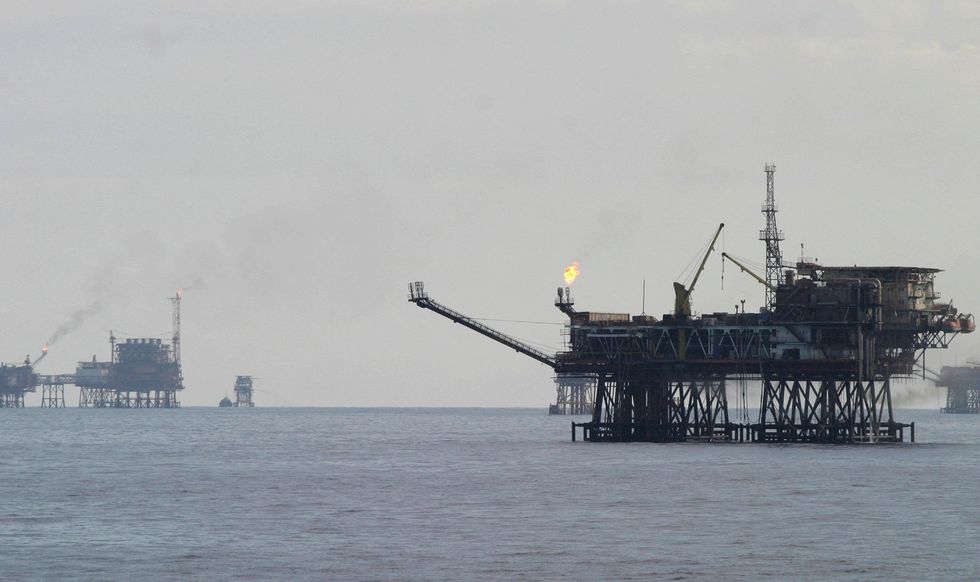
Work has stopped at Rosebank, Britain's largest untapped oil field, and Jackdaw, a giant gas field, following legal challenges on climate grounds.
The fields have become totemic in the energy debate, with unions and industry leaders saying they are vital for the economy and national security.
But former energy minister Ed Miliband once described Rosebank as "climate vandalism" and campaigners have demanded the ban on drilling remains.
A decision on their futures now lies with the Government. Prime Minister Andy Burnham has pledged a "pragmatic approach".
Asked whether the fields should be approved, EDF chief executive Simone Rossi said: "Green light. Absolutely. No doubt about it."
He told the BBC that while moving from fossil fuels to electricity was the path to ultimately cheaper energy, the country was yet to reach the stage of abandoning oil and gas.
He said: "Here and now, certainly we should use all the fossil fuel resources that we've got in our country. You'd rather use the money to create jobs in our economy and tax receipts in our economy as opposed to sending it elsewhere.
"This is also good for the planet because producing oil or gas just next to the UK shore is less polluting than having to transport it from further afield.
"So that's a no-brainer."
Asked whether the wildfires and heatwaves of the summer weren't a warning to stop fossil fuel use, he replied: "No matter what we do, that's going to happen, unfortunately, because climate change is driven by global dynamics."
He said that the majority of homes were still heated by gas and the majority of cars were petrol or diesel.
"It will take decades to wean off that dependency," he told the Big Boss Interview.
"So whilst this is happening, we should rather use the resources that we've got rather than importing them from afar.
"For me, it's really a no-brainer. It is not in contradiction. By doing so we're not making the planet any worse. In fact, we are making it better.
"We are also improving our own economy."
The Government has said that the North Sea is 'a vital national asset'

He said that, over time, "the only solution is electricity".
Heat pumps and electric cars were "effortless and efficient" and electricity could be produced "here, in Britain", rather than relying on imports.
Greater electricity use would also spread the system costs more widely, helping to bring individual prices down, he said.
Mr Rossi said that the country ought to be proud of the steps it has taken to decarbonise. But he warned against unrealistic targets and said it was important to get the pace of the transition right.
The Government plans to run the grid on 95 per cent clean power by 2030. Mr Rossi suggested this would do nothing to lower prices.
He also said the aim was at odds with Mr Burnham's dreams of reindustrialisation.
"I think that it is a very noble ambition to have, and it certainly sparks a dynamic that otherwise maybe wouldn't have been there," he said.
"But I think the pace of this transition is a key element that we need to master in order to ensure that the costs are reasonable.
"To reduce the last amount of carbon in the economy is the most expensive bit.
"We've already done a lot in Britain, maybe more than most.
"I think we should be quite happy about what we've done, certainly remain ambitious in trying to do more.
"But obsessively trying to eliminate the last molecule of carbon by a certain date is not going to do any good in terms of making the electricity system cheaper."
The Government has said that the North Sea is "a vital national asset" and that oil and gas "will continue to play an important role in our energy system for decades to come" as the country transitions to green power.