By The Rio Times | Created at 2026-08-11 10:42:03 | Updated at 2026-08-11 11:10:16
48 minutes ago
By The Rio Times | Created at 2026-08-11 10:42:03 | Updated at 2026-08-11 11:10:16
48 minutes ago
Panama · Security
Key Facts
- Operation launched Panama began Operation Escudo de Acero (Steel Shield) on August 9, 2026.
- Force size More than 500 agents were deployed; one Panamanian outlet put the figure at around 600.
- Command structure SENAFRONT leads it under Director Larry Solís, with SENAN air-and-sea support.
- Coverage area The deployment spans the 266-kilometre border with Colombia, from Meteti in Darién.
- Primary targets Drug trafficking, organised crime, illegal mining and the Clan del Golfo.
- Regional context It began two days after Colombia’s new president took office on August 7.
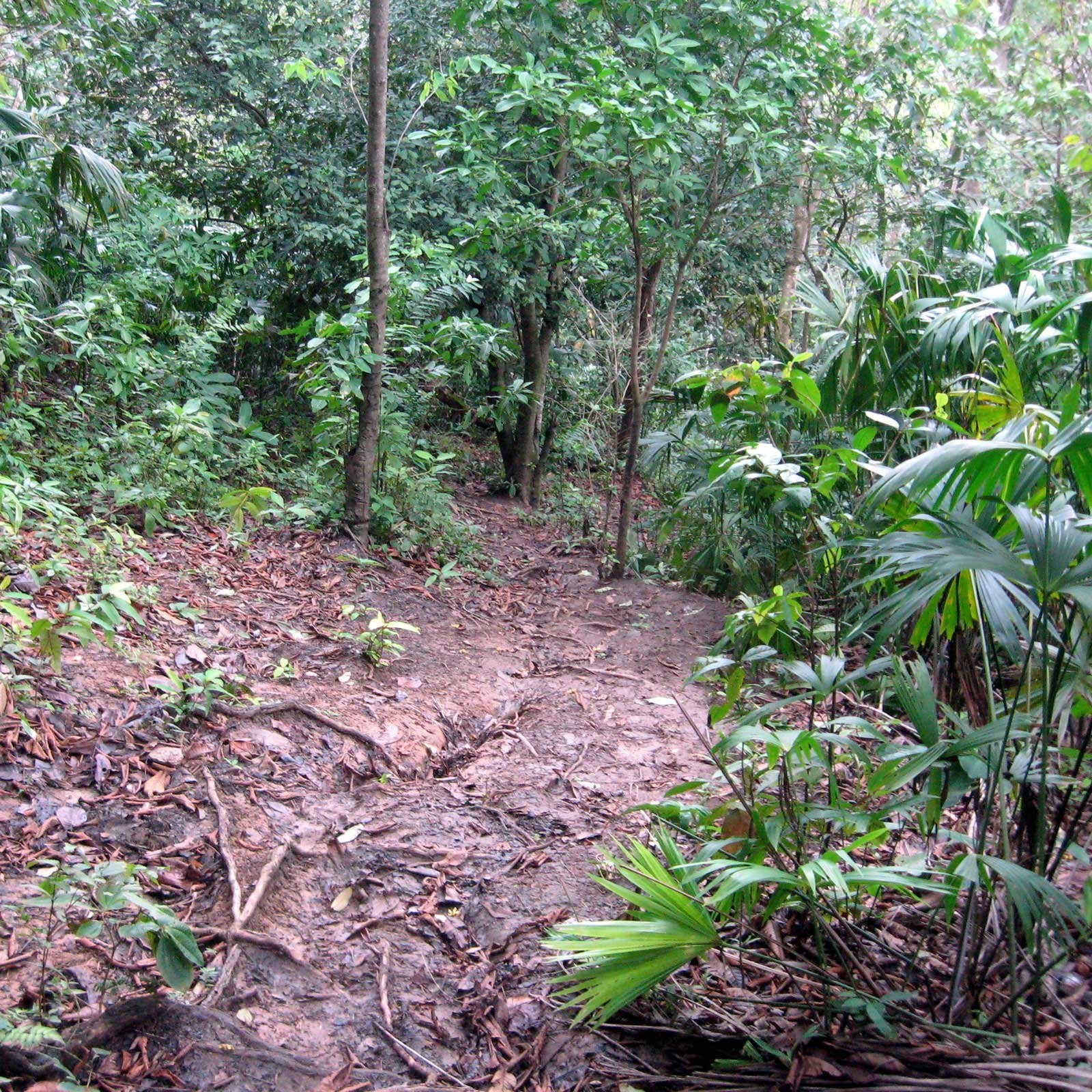
The Darién Gap has shifted from a migrant corridor to a security flashpoint — and Panama is moving to assert control over a rugged, lawless frontier.
You are looking at a much harder line at the Panama border operation now underway, one that puts territorial control ahead of migration management. For years the Darién Gap meant record numbers of people walking north. Today Panamanian officials describe it as a battleground against transnational crime — and they have put boots, boats and drones on the ground to prove it.
One-stop reference
Company Intelligence
Every listed company in Latin America — financials, ownership and structure for 1,450+ companies across 26 exchanges, in one place.
Inside Panama’s border operation on the Darién
Operation Escudo de Acero, or Steel Shield, launched on August 9, 2026, and marks a clear pivot for Panama. The mission deploys a substantial force to a region long treated as a black hole for state authority. More than 500 agents from the Servicio Nacional de Fronteras (SENAFRONT) and the Servicio Nacional Aeronaval (SENAN) are on the ground; the newspaper La Estrella de Panamá put the figure at around 600. They bring helicopters, boats, drones and at least 15 patrol units.
The base of operations is Meteti, a town in Darién province. From there, forces cover the entire 266-kilometre border with Colombia, including Yaviza — the last major town before the Gap — and Puerto Quimba, a key riverine hub. Crucially, the patrols reach corridors that feed into both the Pacific and Atlantic coasts. That dual-ocean access is exactly what makes the Darién so valuable for smugglers, and choking off those arteries, not just watching a line on a map, is the point.
Who runs it, and what they are hunting
SENAFRONT Director Larry Solís leads the operation on the ground, reporting to Security Minister Frank Ábrego under a national strategy called Plan Firmeza. The mandate is to strengthen surveillance and reassert control. The named targets are specific: drug-trafficking routes, organised-crime cells, illegal-mining operations, and cross-border networks. Authorities single out the Clan del Golfo, Colombia’s most powerful cocaine group, as the key adversary in this terrain.
The timing is not a coincidence. The launch came days after attacks marked the inauguration of Colombia’s new president, and after intelligence reports raised the prospect of armed groups shifting toward the Panamanian side. That is the backdrop for Minister Ábrego’s public insistence that there is no reliable sign of a new mass-migration wave — the operation, he says, is about crime, not migrants.
Why this matters for the region
This is not only a Panamanian story. The Darién sits at a strategic chokepoint between South and Central America, so when Panama tightens security here, it touches trafficking routes across the hemisphere. Stability also matters for the economy: Panama’s model runs on logistics, banking and the Canal, and a more secure Darién trims a persistent reputational risk. A calmer frontier is good for the country’s standing with investors and partners alike.
The move also rewrites the migration story. Flows through the Gap have fallen sharply through 2025 and into 2026, a dramatic reversal from the peak years when hundreds of thousands crossed. With that pressure easing, Panama is repurposing its border forces toward crime control. And it points to a warmer footing with Bogotá: the operation began just after President Abelardo de la Espriella took office on August 7, and the two governments’ security authorities are coordinating on the shared threat.
The bigger security picture
Escudo de Acero is a bet that Panama can project power where it long could not. The Darién is remote and historically neglected, and success will depend on sustained commitment, not a one-off show of force. The drones and aerial assets suggest a push for persistent surveillance — a real force multiplier where ground patrols are slow and dangerous. But the deeper drivers of crime, from weak institutions to global cocaine demand, do not vanish overnight. What an operation like this can do is raise the cost of doing business for the groups that treat the jungle as their own.
Frequently Asked Questions
What is the goal of Operation Escudo de Acero?
The goal is to reinforce Panamanian territorial control along the Darién border with Colombia. Forces target drug trafficking, organised crime, illegal mining and cross-border networks linked to the Clan del Golfo, in a region long outside firm state authority.
How large is the deployed force?
Panama deployed more than 500 agents from SENAFRONT and SENAN. One Panamanian outlet put the total at around 600. The force includes helicopters, boats, drones and at least 15 patrol units operating from Meteti.
Does the operation signal a new migration crisis?
No. Security Minister Frank Ábrego rejected claims of a new mass-migration wave through the Darién Gap. Migration flows have dropped sharply in 2025 and 2026. The operation reflects a pivot toward crime and trafficking control, not a response to migrant surges.
Sources: Newsroom Panama; La Prensa (Panama); La Estrella de Panamá; RT Actualidad; Destino Panamá.