By The Rio Times | Created at 2026-08-11 10:42:02 | Updated at 2026-08-11 11:12:00
32 minutes ago
By The Rio Times | Created at 2026-08-11 10:42:02 | Updated at 2026-08-11 11:12:00
32 minutes ago
Colombia · Politics
Key Facts
- Court date The Constitutional Court resumes its review of the Colombia pension reform on August 13, 2026.
- Procedural scope Judges will rule only on whether Congress fixed a procedural flaw, not on the pension model itself.
- Law suspended The reform has been suspended since June 17, 2025, with 93 of its 95 articles inactive.
- Deciding vote A substitute judge, Carlos Pablo Márquez, is set to cast a tie-breaking vote in the Sala Plena.
- New president Gustavo Petro has left office; Abelardo de la Espriella took over on August 7, 2026.
- Wide stakes The ruling affects millions of savers, the private pension funds and Colombia’s fiscal outlook.
The Court is not judging whether the reform is good or bad — only whether the legislature followed its own rules. That distinction decides everything.
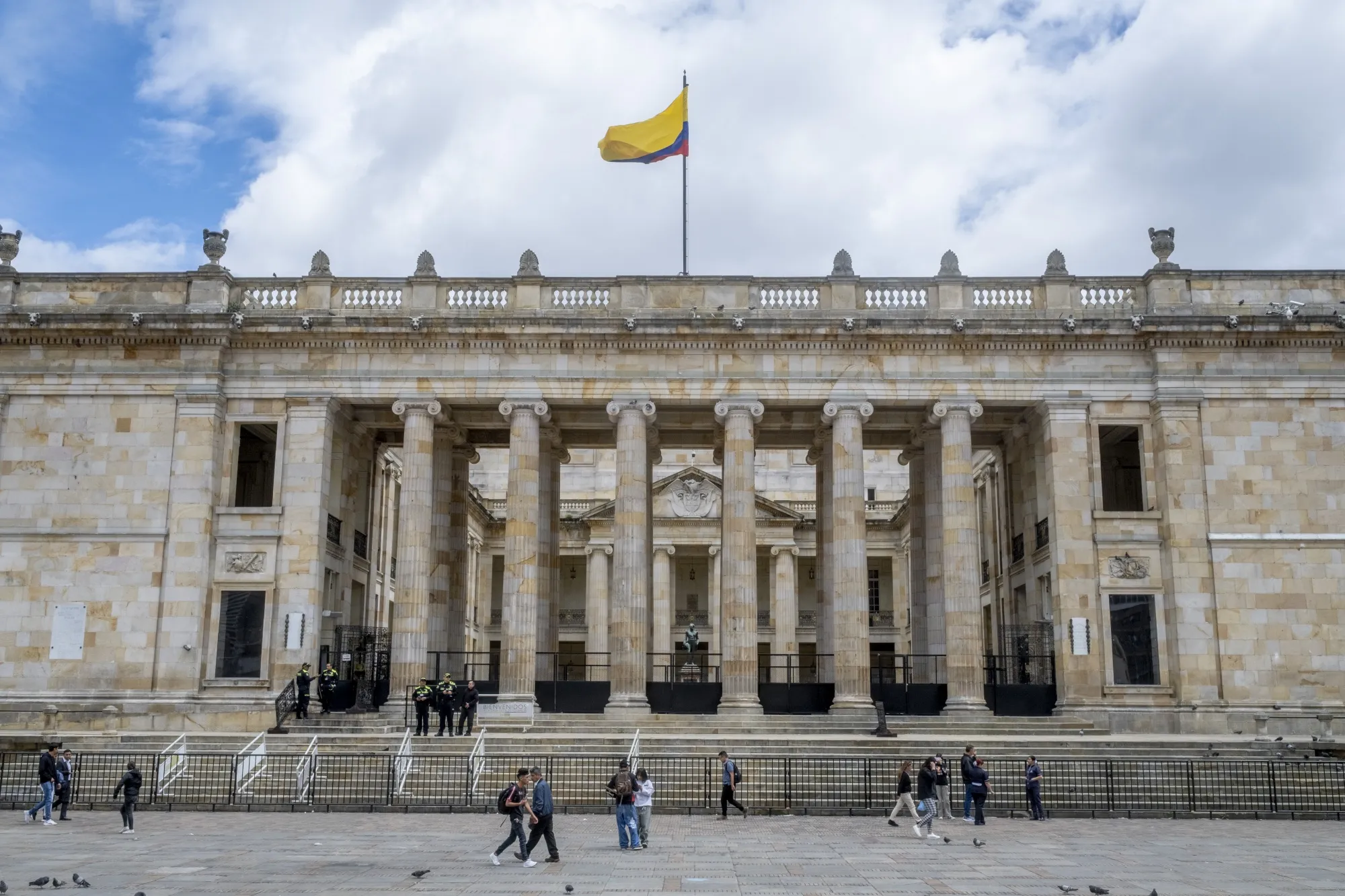
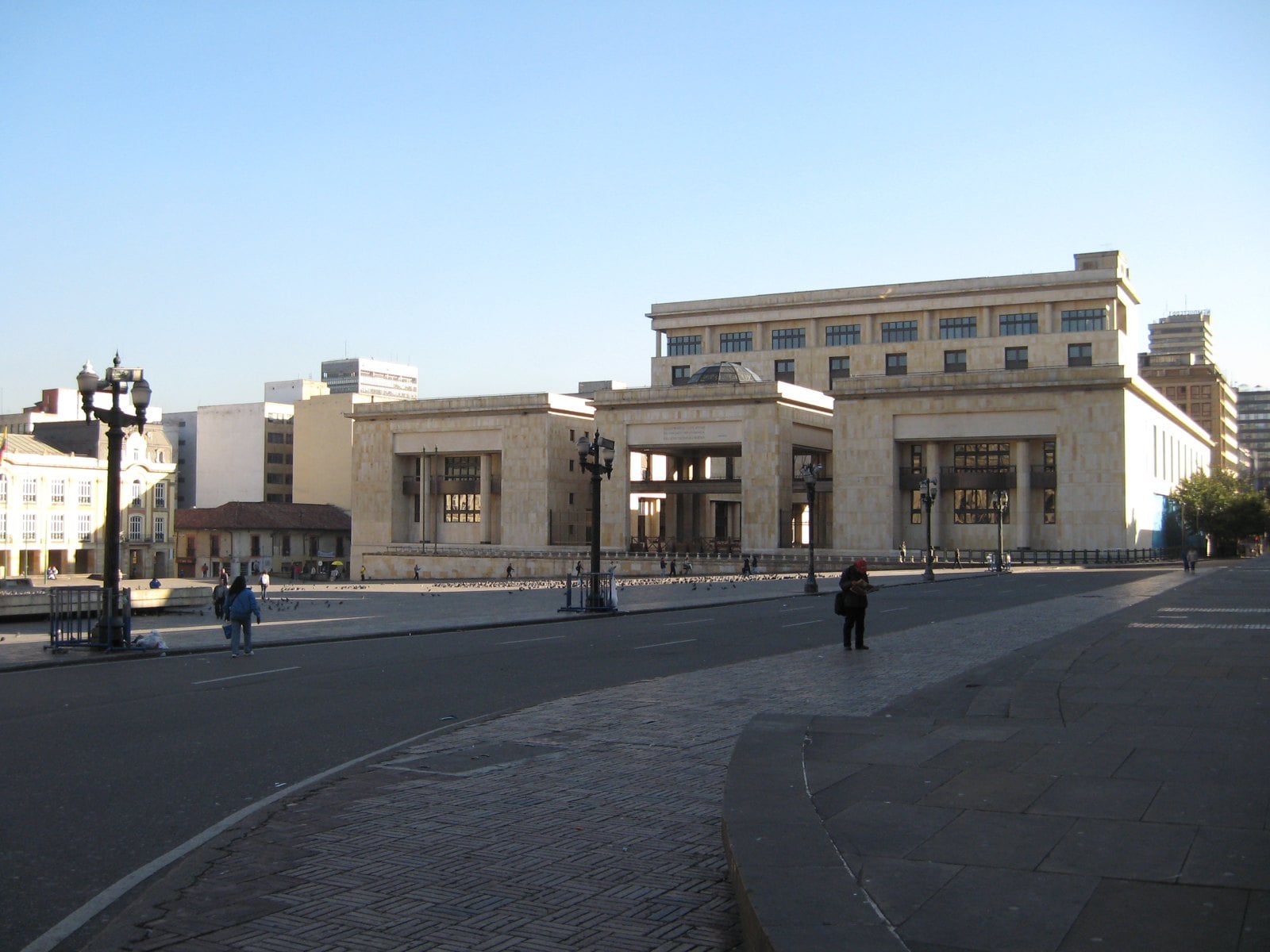
If you have money in Colombia, or you watch Latin America for policy signals, the Colombia pension reform has been a cliffhanger for over a year. The suspense reaches a key moment on Thursday, August 13, 2026, when the Constitutional Court resumes its review in a full-court session. But do not expect a verdict on the merits of the pension model. The judges are deciding a narrow, technical question: did Congress properly fix a procedural defect the Court found in how the law was passed? The answer could revive the reform, kill it, or send it back for another round of legislative repair.
One-stop reference
Company Intelligence
Every listed company in Latin America — financials, ownership and structure for 1,450+ companies across 26 exchanges, in one place.
What the Colombia pension reform ruling decides
The technical issue is a “vicio de trámite” — a step in the law-making process that went wrong. Earlier, the Court found that the House of Representatives did not follow proper procedure when it approved the bill, which is Ley 2381 de 2024. Congress then tried to correct that. Now the Court must decide whether the fix was enough, or whether it changed the substance of the law in a way that demands a fresh vote. Magistrate Paola Meneses is the drafting judge, and her proposed decision will be tested against the rest of the Sala Plena.
The vote may be tight. Delays came from changes in the plenary lineup and from recusals, so a substitute judge, Carlos Pablo Márquez, holds a deciding vote. A procedural green light sends the case on to a substantive review of the law’s articles. A red light means the whole reform could fall because of how it was passed, regardless of its content. Either way, the Court is not saying whether multi-pillar pensions are wise or foolish — it is answering a narrower question about congressional rule-following.
The reform, and its frozen articles
As background, the pension reform was President Gustavo Petro’s flagship social policy. It was designed to restructure the system into a multi-pillar model, channelling more contributors into the public administrator Colpensiones and expanding a solidarity benefit for poor older adults. It aimed to shift the balance away from the private pension funds, known as AFPs, giving the state a bigger role in retirement savings. That design made it one of the most contested laws in recent Colombian history.
But it has been in limbo since June 17, 2025, when the Court suspended it. Ninety-three of its 95 articles are inactive. Only two provisions survived: the “pension window” — the option to transfer between regimes for people less than ten years from retirement — and the transition regime for those near pension age. On the ground, that means little has changed for most workers and retirees; the system still runs under the old rules while the Court untangles the legislative knot.
Why this ruling matters for the region
This is not a niche legal exercise. The reform affects millions of savers deciding where their mandatory contributions go — the public system, the private AFPs, or a mix. Those funds manage billions of dollars in assets, so a ruling that restarts or kills the reform will shift where that money flows. A revived reform could push more of it into Colpensiones, reshaping the demand for local government bonds; a dead reform leaves the private-led system intact and lifts a policy cloud that has hung over the AFPs. There is a fiscal angle too: a bigger public pillar means larger state pension liabilities over time.
The timing sharpens the drama. The ruling lands days after Petro left office, with his successor Abelardo de la Espriella inaugurated on August 7, 2026. Will the new government defend the reform, let it lapse, or send it back to Congress? The Court’s procedural decision sets the stage. For the region, it is a case study in how courts, not just ballots, shape the fate of big social reforms — and in how much of a predecessor’s agenda a new administration inherits whether it wants to or not.
What happens next
The August 13 session resumes deliberations; it is not guaranteed to be the final vote. The Sala Plena could rule that day, or ask for more time to study the ponencia. If it finds the flaw was properly fixed, the case moves to a substantive review of the articles — a longer road that keeps the suspense alive into 2027. If it finds the fix failed, the law could be struck down, or Congress could get one more narrow chance to correct it. For savers near retirement, the two surviving articles stay in force either way; everyone else continues under the status quo until a final decision lands.
Frequently Asked Questions
Is the pension model itself being judged on August 13?
No. The Court is deciding only a procedural question about how Congress passed the law. The merits of the multi-pillar model are not being evaluated at this stage.
What happens to the suspended articles if the ruling favours the reform?
If the Court finds the procedural fix valid, the case moves to substantive review. The suspended articles stay inactive until that review finishes.
Can the ruling still matter now that a new president has taken office?
Yes. The ruling is judicial, not political. But the new government can choose to defend, modify or abandon the reform in Congress after the Court issues its decision.
Sources: Infobae Colombia; Semana; El Universal (Colombia); Portafolio; Noticias RCN; La Silla Vacía.