By The Rio Times | Created at 2026-06-20 10:28:32 | Updated at 2026-06-20 13:09:18
2 hours ago
By The Rio Times | Created at 2026-06-20 10:28:32 | Updated at 2026-06-20 13:09:18
2 hours ago
Peru · Mining
Key Facts
—The list. Peru’s government has unveiled a record roster of 66 mining projects worth over 64 billion dollars.
—The metals. The portfolio leans into copper and molybdenum, the raw materials of the energy transition.
—The momentum. Exports and growth are climbing, so capital is clearly flowing into the country.
—The worry. Peru has slipped down a closely watched ranking of where miners want to invest.
—The threat. A bill in Congress would make mining permits revocable, unsettling long-term investors.
—The stake. Whether this pipeline gets built will shape global copper supply for years.
Peru has just laid out its biggest-ever menu of Peru mining investment projects, a list worth more than sixty-four billion dollars, even as a souring political climate raises doubts about how much of it will ever leave the drawing board.
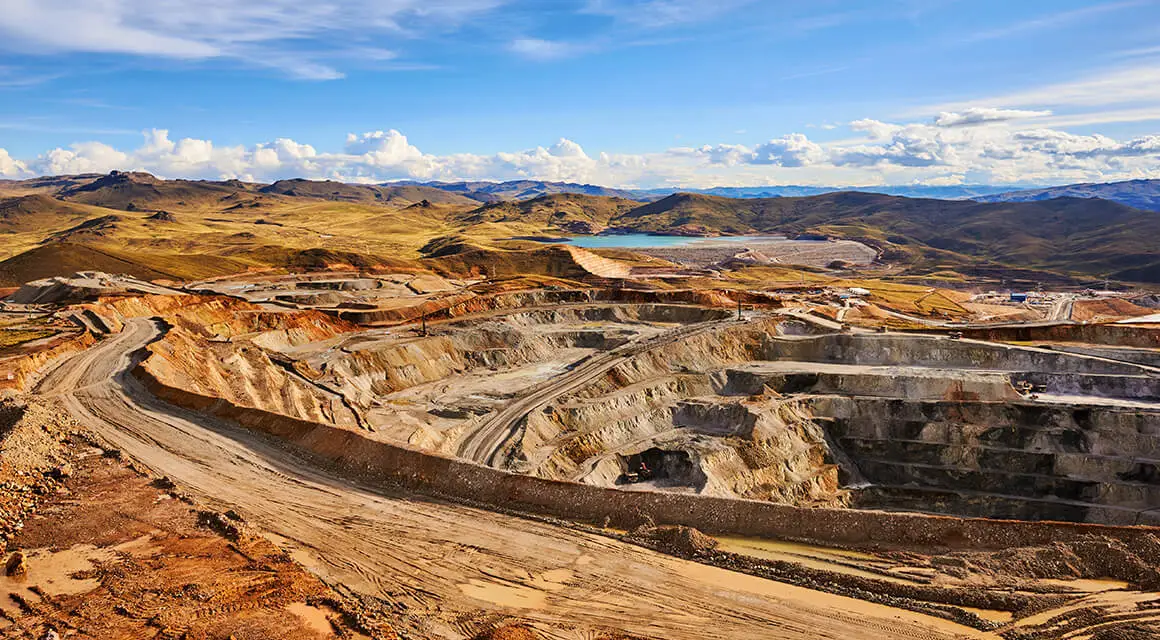
Peru is one of the world’s great mining nations, the second- or third-largest producer of copper on the planet. This month its government put a striking number on the future.
The energy and mines ministry published its 2026 list of mining projects in the pipeline. It counts 66 projects spread across 19 of the country’s regions, with a combined value above sixty-four billion dollars.
That is a record, and it is slightly larger than the tally from late last year. The ministry framed it as proof that private investors still believe in the country.
Why this Peru mining investment list matters
The headline metal is copper, the wiring of the modern world. The portfolio also leans into molybdenum, a metal used to strengthen steel, both of which are increasingly tied to electric cars and clean power.
For global buyers, that is the point. As the world electrifies, it needs vastly more copper, and Peru is one of the few places that can supply it at scale.
The near-term picture looks encouraging too. A smaller batch of mature projects, worth about seven and a half billion dollars, is due to begin construction this year.
The money is already moving
This is not just a paper promise. Peru’s exports hit a record in the first quarter of the year, jumping by about a third, with mineral shipments alone up by nearly half.
On the back of that strength, the central bank recently nudged up its growth forecast for the year. In other words, the current boom is real, driven largely by high metal prices.
Much of that copper and gold is heading east. China is by far the largest buyer, followed by the United States, with India rising fast as a new customer.
The snag is time. Independent analysts note that a Peruvian mine can take many years to travel from promise to production, so today’s pipeline is really a bet on the next decade.
The catch on the horizon
Here is where the optimism runs into trouble. A long project pipeline only pays off if companies trust that the rules will hold for the decade or more it takes to build a mine.
On that score, Peru is slipping. It fell sharply in a respected annual ranking of how attractive countries are for mining investment, dropping below regional rival Brazil.
The bigger alarm is a bill moving through Congress. It would strip away a clause that currently makes mining concessions effectively permanent, allowing them to be revoked.
A question of trust
For a foreign company weighing a multi-billion-dollar mine, that kind of legal uncertainty is poison. Industry groups have urged lawmakers to shelve the change, warning it could freeze investment decisions.
They also point out that Peru already charges miners far more in fees than rivals like Chile, Australia or Argentina. Layering legal risk on top of higher costs is a hard sell.
All of this is tangled up with the politics of a presidential election due in 2026. Small-scale and informal miners, a sizeable voting bloc, are pushing hard for the changes.
Why outsiders should watch
The gap between the wish list and the reality is the whole story. A sixty-four-billion-dollar pipeline could cement Peru as a pillar of the global copper supply, or much of it could stall in licensing and politics.
For investors and manufacturers betting on the green-energy build-out, the signal to watch is not the size of the list. It is whether Peru can keep its rules steady long enough to turn promises into metal.
Connected Coverage
For more on the forces pulling Peru’s mining sector in opposite directions, see our reporting on how Peru is losing the global race for mining investment and on the congressional move to make mining concessions revocable.
Frequently Asked Questions
How big is Peru’s 2026 mining project pipeline?
Peru’s energy and mines ministry counts 66 projects across 19 regions, worth more than sixty-four billion dollars. That is a record and slightly larger than the portfolio reported in late 2025.
Why is the investment climate a concern?
Peru fell in a respected ranking of mining-investment attractiveness, slipping below Brazil. A bill in Congress would also make mining concessions revocable, which industry groups warn could freeze long-term investment decisions.
Which metals dominate the pipeline?
Copper is the centrepiece, with molybdenum also prominent. Both are increasingly important for electric vehicles and clean-energy systems, which is why global buyers track Peru’s output closely.
The Rio Times · Power Map
See who really holds power in Latin America
Click to open the Power Map →