By The Rio Times | Created at 2026-06-20 10:48:35 | Updated at 2026-06-20 12:05:28
1 hour ago
By The Rio Times | Created at 2026-06-20 10:48:35 | Updated at 2026-06-20 12:05:28
1 hour ago
Uruguay · Energy
Key Facts
—The event. Uruguay is set to drill its first deepwater exploration well in roughly a decade later this year.
—The driller. The American firm APA plans the well far offshore, in water more than two kilometres deep.
—The test. It is the real test of whether Uruguay shares the oil riches found across the Atlantic in Namibia.
—The crowd. Six global oil players now hold all seven of Uruguay’s offshore blocks.
—The clouds. A green lawsuit and a stalled paperwork transfer hang over the campaign.
—The stake. One well could turn a quiet country into the region’s next oil story, or end the dream.
After years of studies and deals, the Uruguay offshore oil story is finally about to meet the drill bit, with the country’s first deepwater exploration well in roughly a decade due later this year.
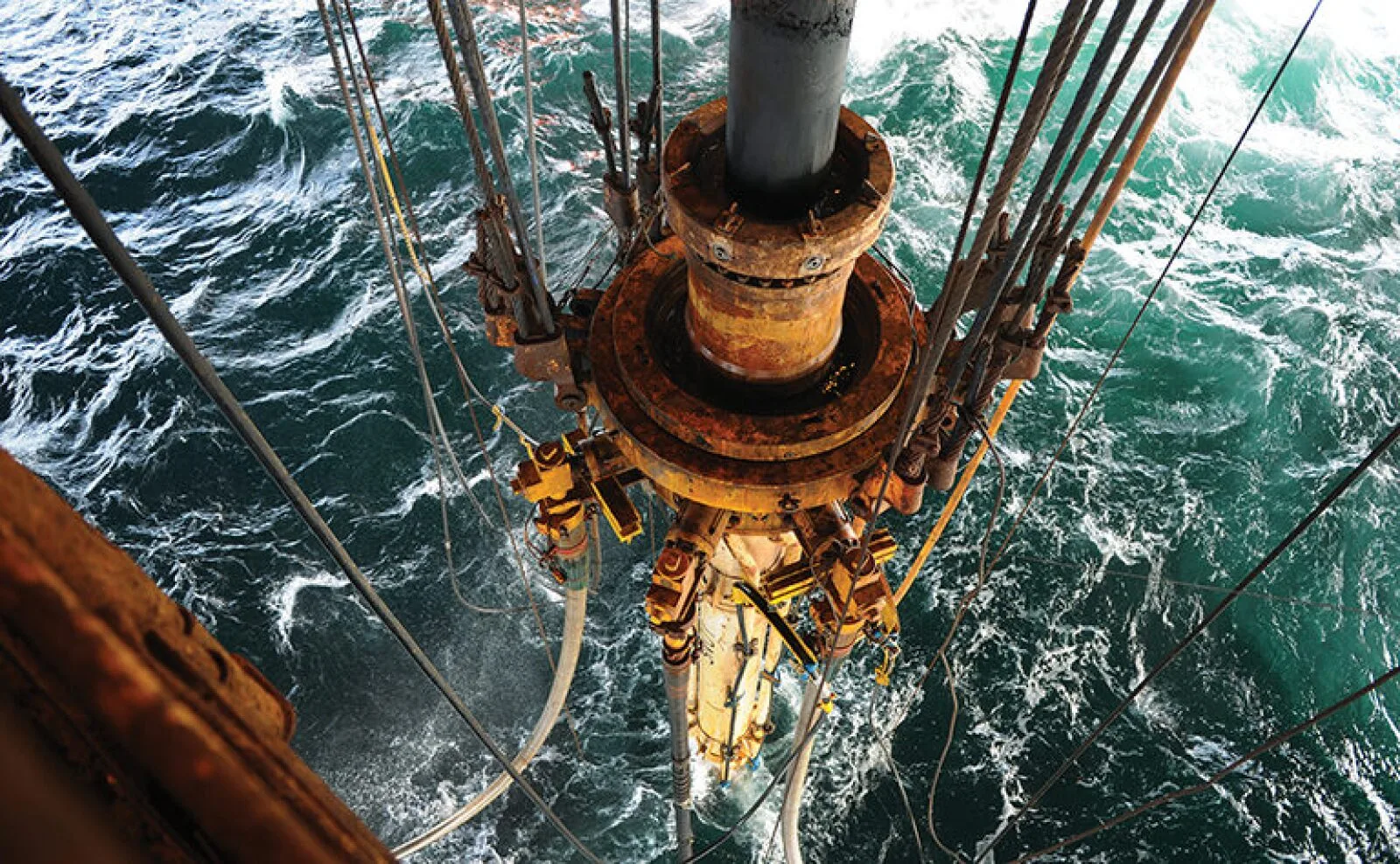
Uruguay has never pumped a barrel of oil from the sea. For years its offshore promise has lived only in maps, seismic surveys and corporate handshakes.
That is about to change in the most concrete way possible. The American oil company APA plans to drill a deepwater exploration well later this year, the country’s first such test in about a decade.
The target sits more than 200 kilometres offshore, in water over two kilometres deep. The plan filed with regulators calls for a specialised drillship, four support vessels and roughly 110 days of work.
Why this Uruguay offshore oil well matters
This single well carries an outsized weight. It is the first real test of a geological bet that has drawn some of the world’s biggest energy companies to a country most of them had ignored.
The theory is all about Africa. Long ago, before the continents drifted apart, Uruguay’s seabed sat against what is now Namibia, where a string of giant oil discoveries has been made since 2022.
Geologists believe the two share the same deep rock layers that cooked up that oil. Drilling is the only way to find out if the same treasure lies on the South American side.
A map full of global names
Uruguay has now handed out every one of its seven offshore blocks. The line-up reads like a who’s who of the industry, with Chevron, Shell, QatarEnergy, APA and Argentina’s YPF all holding acreage.
Between them, these firms have committed to spend well over 230 million dollars on early exploration work. That is a serious vote of confidence in a frontier that has yet to prove itself.
The appeal is not just the rocks. Uruguay offers long contracts, clear rules and a calm, predictable government, a rare combination in a region prone to sudden policy swings.
The clouds over the campaign
It is not all smooth sailing. A coalition of environmental groups has gone to court seeking to halt the exploration, arguing it could do irreversible harm to the ocean and its wildlife.
Regulators have already imposed cautious rules, ordering survey ships to switch off their sound guns if whales or other marine animals come too close. The environmental fight is likely to shadow every step.
There is red tape too. A planned handover of one block’s operatorship from YPF to Italy’s ENI has been stuck for months, still waiting on government sign-off.
What the state stands to gain
For Uruguay, the prize is fiscal. Its state oil company can take a stake in any commercial find, on top of taxes and a share of the profits, giving the country several ways to capture the windfall.
Officials are careful not to overpromise, since the odds of striking oil in any single well are modest. Even a success would take years to turn into actual production and revenue.
Why outsiders should watch
For investors, this is the moment the talking stops and the drilling starts. A major find would put Uruguay alongside Guyana and Suriname as a new South American oil hotspot.
A dry hole, on the other hand, would cool the excitement and send the majors back to their seismic maps. Either way, the result of this one well will echo well beyond Uruguay’s quiet shores.
Connected Coverage
For more on the bet behind this drilling push, see our reporting on YPF and ENI’s high-risk offshore bet off Uruguay and on the high-cost trap facing Uruguay’s economy.
Frequently Asked Questions
When will Uruguay drill its first offshore oil well?
The American firm APA plans a deepwater exploration well in the second half of 2026, the country’s first such test in roughly a decade. It sits more than 200 kilometres offshore in water over two kilometres deep.
Why are oil majors interested in Uruguay?
Uruguay’s seabed once sat against Namibia, where giant oil discoveries have been made since 2022, so geologists think they share the same oil-bearing rocks. The country also offers long contracts and a stable, predictable business climate.
What could stop the drilling?
A coalition of environmental groups has filed a lawsuit seeking to block exploration over the risk to marine life. A separate handover of one block from YPF to ENI has also been stuck awaiting government approval.
The Rio Times · Power Map
See who really holds power in Latin America
Click to open the Power Map →