By The Rio Times | Created at 2026-08-22 08:16:46 | Updated at 2026-09-25 07:17:16
1 month ago
By The Rio Times | Created at 2026-08-22 08:16:46 | Updated at 2026-09-25 07:17:16
1 month ago
EAST AFRICA · DEFENCE
Key Facts
—The trend: Danish Shipping’s analysis of International Maritime Bureau data counts 13 incidents off Somalia in the first seven months of 2026, against 5 in all of 2025 and 8 in 2024.
—In perspective: That is a ten-year high, but far below the 2009 to 2011 peak of more than 200 attacks a year.
—The new force: Signatory states of the Djibouti Code of Conduct have agreed to establish a Combined Task Force for the Western Indian Ocean and Gulf of Aden.
—Next step: A working-group workshop in Mombasa from 7 to 9 September 2026 is meant to build the operational framework.
—Still undecided: Composition, assets and numbers have not been determined. The mechanism includes placing coastal-state officers aboard participating warships.
—Hostages: The chair has flagged seafarers still held aboard vessels including the MT Honour 25, the Sward, the MV Eureka and the MT Asana.
—China, separately: Beijing sent its 49th escort task force from Sanya on 12 August. China is not a signatory to the Djibouti Code of Conduct.
Somali piracy has returned to a ten-year high, with 13 incidents recorded in the first seven months of 2026 against five in the whole of 2025. The region’s own coastal states have now agreed in principle to form a joint task force, though nothing has been funded.
One-stop reference
Company Intelligence
Every listed company in Latin America — financials, ownership and structure for 1,450+ companies across 26 exchanges, in one place.
How bad it has actually got
An analysis by Danish Shipping of International Maritime Bureau data counts 13 incidents off Somalia between January and July 2026. That compares with five for all of 2025 and eight in 2024.
A further attack on a cargo vessel was reported in the week of 17 August and is not yet in the count. Somalia accounts for a far larger share of the bureau’s most serious cases than of its total caseload.
Perspective matters here. At the height of the crisis between 2009 and 2011 there were more than 200 attacks a year, so this is a resurgence, not a return to that.
The European Union’s Operation Atalanta assesses that several pirate groups are active, with growing coordination and greater reach. The recurring pattern is the hijacking of fishing vessels for use as mother ships, which is what extends the range far out into the Indian Ocean.
The regional answer to Somali piracy
States signed up to the Djibouti Code of Conduct and its Jeddah Amendment have agreed to establish a Combined Task Force covering the Western Indian Ocean and the Gulf of Aden. The recommendation came out of an extraordinary steering committee meeting on 29 July and was endorsed by national focal points on 5 August.
The detail now sits with Working Group 3, which meets in Mombasa from 7 to 9 September to build the operational framework. Composition, assets and numbers are all still open.
One mechanism is already agreed and is more interesting than it sounds. Coastal-state officers would be embarked as sea-riders aboard participating naval vessels, which gives regional states legal presence and training exposure without requiring them to field warships they do not have.
The grouping runs to around twenty signatory states, including Djibouti, Kenya, Somalia, Tanzania, Seychelles, Mauritius, Mozambique, Egypt, Sudan, South Africa, Saudi Arabia, Oman and the United Arab Emirates. Published membership lists differ, so the exact count should be treated with care.
The chair is Metse Ralephenya of South Africa, who has drawn attention to seafarers still held captive aboard vessels including the MT Honour 25, the Sward, the MV Eureka and the MT Asana.
China rotated another task force into the same water
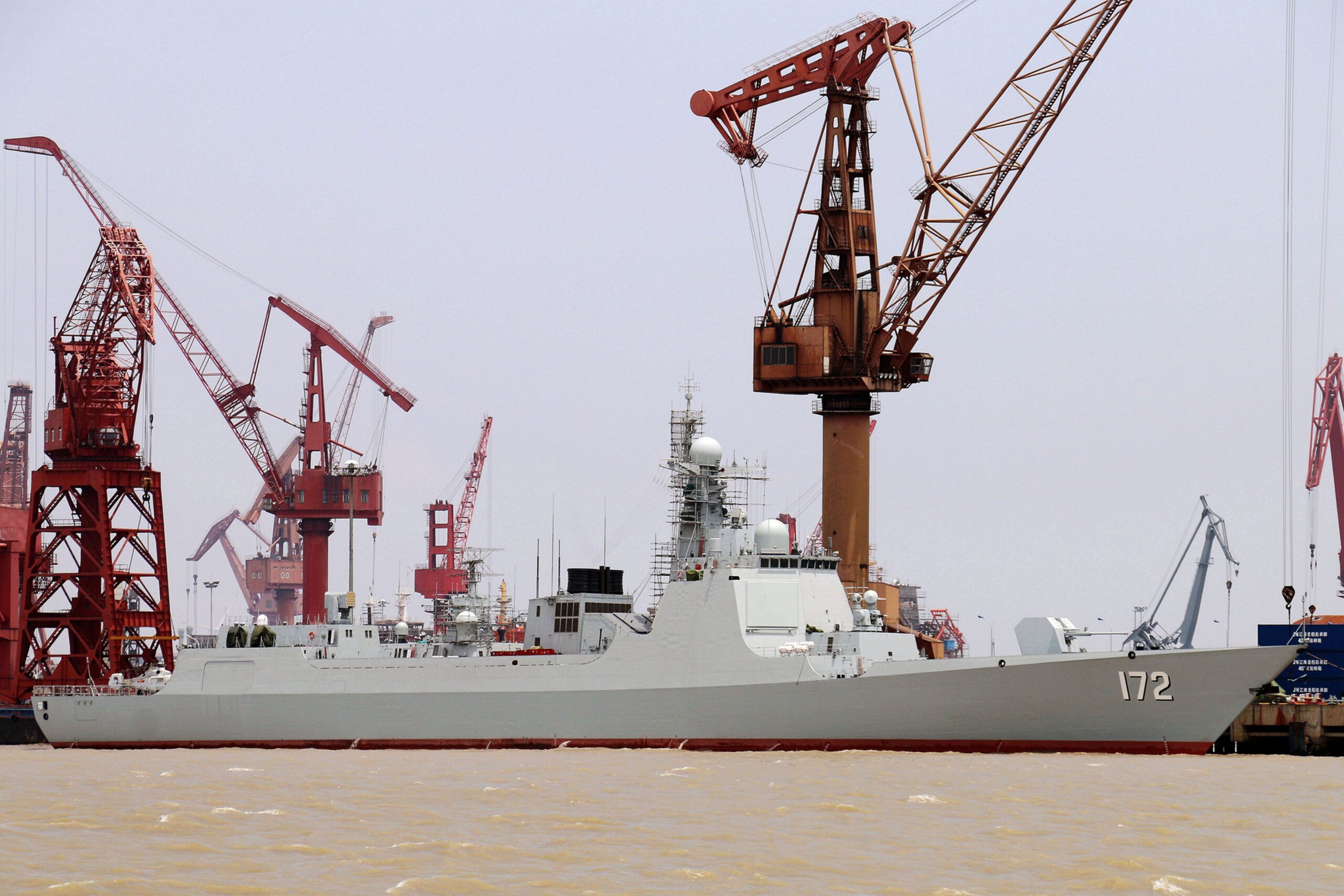
On 12 August the Chinese navy’s 49th escort task force left Sanya on Hainan for the Gulf of Aden. It comprises the destroyer Kunming, the frigate Yueyang and the supply ship Luomahu, with two ship-borne helicopters.
Beijing describes the embarked contingent only as dozens of special operations personnel, and has published no headcount. Some secondary outlets have reported a figure above 700, which has not been confirmed.
Chinese defence sources describe it as the Kunming’s first escort deployment, and say the rotations have escorted more than 7,000 Chinese and foreign vessels since 2008. China is not a signatory to the Djibouti Code of Conduct, and no Chinese source has linked this deployment to the new regional force.
Why it matters beyond the shipping desk
The Gulf of Aden and the Western Indian Ocean carry a large share of the traffic between Asia, the Gulf and Europe, and insurance premiums move faster than attack statistics. Even a modest rise in incidents reprices risk for every East African importer.
The deeper point is about who polices the water. Eighteen years of continuous Chinese rotations, anchored by a base at Djibouti, have made the People’s Liberation Army Navy a permanent feature of the region.
A regional task force will not displace that. What it can do is give coastal states a seat at the table in an area where, until now, their own waters have been secured almost entirely by outside navies.
Frequently Asked Questions
How many piracy incidents have there been off Somalia in 2026?
Danish Shipping’s analysis of International Maritime Bureau data counts 13 incidents in the first seven months of 2026, a ten-year high. That compares with five in all of 2025 and eight in 2024.
What is the new Combined Task Force?
It is a joint force agreed by signatory states of the Djibouti Code of Conduct for the Western Indian Ocean and Gulf of Aden. Its composition, assets and numbers have not yet been decided.
When will it be set up?
A working-group workshop in Mombasa from 7 to 9 September 2026 is tasked with building the operational framework. No launch date has been announced.
Is China part of the regional force?
No. China is not a signatory to the Djibouti Code of Conduct, and its 49th escort task force, which sailed on 12 August, is a separate national deployment.
This article was produced by The Rio Times’ automated newsroom system. How we use AI · Report an error
The Rio Times · Power Map
See who really holds power in Latin America
Click to open the Power Map →