By The Rio Times | Created at 2026-06-24 09:21:42 | Updated at 2026-06-24 10:27:38
1 hour ago
By The Rio Times | Created at 2026-06-24 09:21:42 | Updated at 2026-06-24 10:27:38
1 hour ago
Culture
Key Facts
—The headline. A new study projects Rock in Rio 2026 will generate R$3.36bn ($650m) in economic activity for the city of Rio de Janeiro.
—The crowd. Organisers expect around 700,000 people across the festival, held at the purpose-built Cidade do Rock.
—The multiplier. The study finds every R$1 spent on the festival generates a further R$6.59 in the wider Brazilian economy.
—The growth. The projection tops the R$3.2bn generated by the 2024 edition, a rise of roughly five percent.
—The tourists. Visitors from outside Rio state account for a majority of buyers of one key ticket type, lifting hotels and flights.
—The source. The figures come from a Getúlio Vargas Foundation study reported by the newspaper O Globo, with ticket sales opened on June 8.
Rock in Rio 2026 has not opened its gates yet, but a new study says the festival is already on course to move billions through the city, drawing hundreds of thousands of fans and a wave of out-of-town tourists.
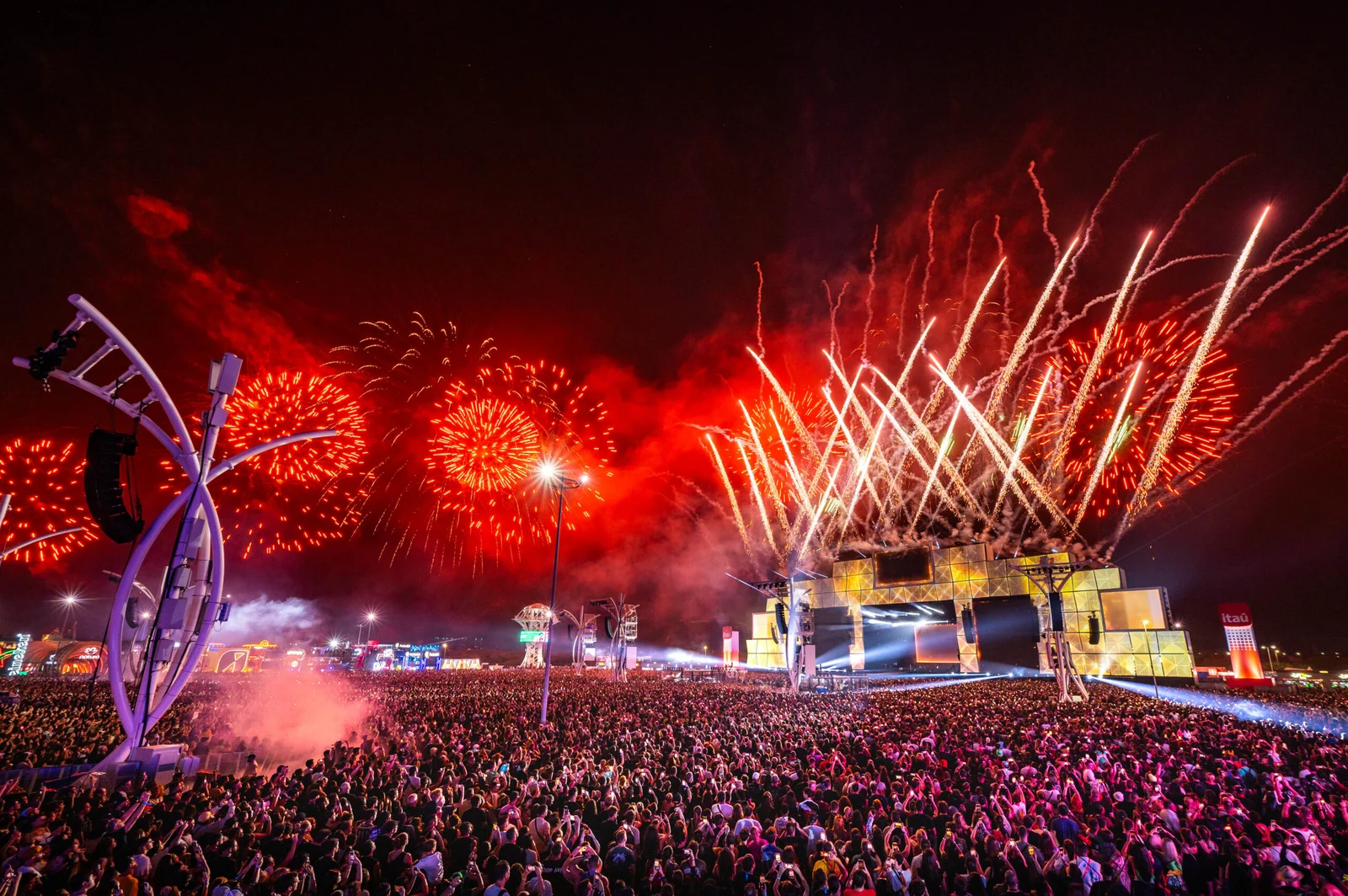
One of the world’s largest music festivals is set to deliver another windfall to Rio de Janeiro. A new study projects this year’s edition will inject about three-and-a-third billion reais, roughly six hundred and fifty million dollars, into the city.
The figure comes from the Getúlio Vargas Foundation, a respected Brazilian research institution, in a study reported by the newspaper O Globo. Ticket sales opened on the eighth of June.
For a reader abroad, the scale is the point. A single music festival now functions as one of the most reliable economic engines in Brazil’s second city, and the city plans around it.
How Rock in Rio 2026 spreads money through the city
The headline number is larger than the festival’s own ticket and sponsorship revenue. It captures the knock-on spending that ripples outward once the crowds arrive.
The study puts that ripple in a single ratio. Every real spent directly on the event is estimated to generate another six reais and fifty-nine centavos elsewhere in the Brazilian economy.
That money lands in hotels, restaurants, bars, taxis and shops. It also reaches the temporary workers hired to build and run the sprawling festival site on the city’s western edge.
The projected total beats the roughly three-point-two billion reais generated by the 2024 edition. That is a rise of about five percent, a useful signal that demand is still climbing.
Why the out-of-town crowd matters most
The detail that organisers seized on was where the buyers live. A majority of purchasers of one popular ticket type come from outside the state of Rio de Janeiro.
That matters because a local who attends mostly shifts spending around within the city. A visitor flying in adds fresh money, booking a hotel, eating out and filling a seat on a plane.
Hotels, guest houses and transport firms are already preparing for sharply higher demand during the festival window. The event reliably pushes occupancy in the prime beach districts toward capacity.
Organisers argue the effect outlasts the music. The contracts, the hiring and the tourist bookings build for months before the first act takes the stage and settle slowly afterward.
The timing helps too. Rio is in the middle of a strong run for tourism, with international arrivals to the city up sharply over the first months of the year against the same period in 2025.
That backdrop turns a music festival into a test of the city’s wider hosting machine. The hotels, airports and transport links that serve the crowds are the same ones investors watch.
A festival turned into a fixture
Rock in Rio began in nineteen-eighty-five and has since grown into a global brand, with spin-off editions staged in Lisbon, Madrid and Las Vegas over the years.
The Rio edition has become a pillar of the city’s event calendar, sitting alongside Carnival as a recurring driver of tourism, jobs and tax revenue rather than a one-off spectacle.
For City Hall, that reliability is the prize. A predictable, billion-real economic event is exactly the kind of result Rio likes to show off to investors and visitors alike.
As with any impact study, the figure deserves a little caution. A projection rests on assumptions about spending and attendance that the actual festival, this October, will either confirm or undercut.
How much is Rock in Rio 2026 expected to be worth to the city?
A study by the Getúlio Vargas Foundation, reported by O Globo, projects about R$3.36bn ($650m) in economic activity for the city of Rio de Janeiro, up roughly five percent on the 2024 edition.
How many people will attend Rock in Rio 2026?
Organisers expect around 700,000 people across the festival. A majority of buyers of one key ticket type come from outside Rio state, pointing to a strong inflow of tourists.
When did ticket sales begin?
Ticket sales opened on the eighth of June. Early demand from outside the state was one of the indicators that drew the most attention in the new economic study.
The Rio Times · Power Map
See who really holds power in Latin America
Click to open the Power Map →