By The Rio Times | Created at 2026-10-15 23:11:19 | Updated at 2026-10-15 23:39:24
1 hour ago
By The Rio Times | Created at 2026-10-15 23:11:19 | Updated at 2026-10-15 23:39:24
1 hour ago
One-stop reference
Company Intelligence
Every listed company in Latin America — financials, ownership and structure for 1,450+ companies across 26 exchanges, in one place.
SENEGAL · BUDGET
Key Facts
- —The country Senegal is a West African democracy and new oil and gas producer that uses the CFA franc, a currency pegged to the euro.
- —What happened Senegal sent its draft 2027 budget to parliament, planning a deficit of 4.7% of economic output, against 7.6% in 2026.
- —The numbers The deficit is about US$2.3 billion, on revenue of about US$10.2 billion and spending of about US$12.6 billion; interest alone costs about US$2.2 billion.
- —Why it matters Senegal is negotiating with foreign bondholders and awaiting a US$2.2 billion IMF programme, and this budget is the plan both will judge.
- —The catch Almost the whole deficit is interest on past debt, and the plan assumes growth of only 2.4% and a return of cheap foreign loans.
- —Still open The date of the Assembly vote, the IMF board decision and the terms of any deal with bondholders are not known.
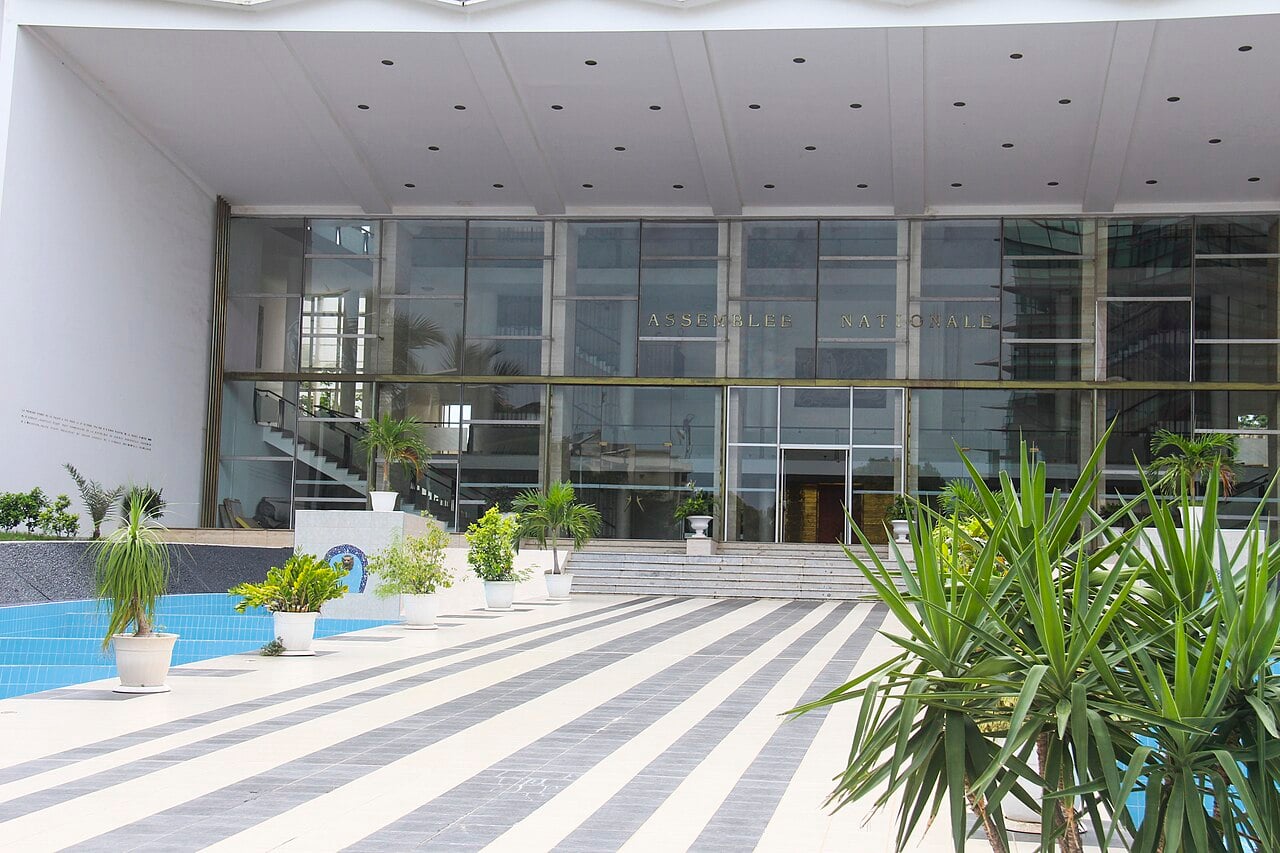
The Senegal budget deficit would fall to 4.7% of economic output in 2027, from 7.6% in 2026, under a draft bill before the National Assembly. That is FCFA 1,351.7 billion (about US$2.3 billion), against FCFA 1,735.2 billion (about US$3.0 billion) this year.
For US readers, the bill is the yardstick for Senegal’s foreign bondholders and the International Monetary Fund, known as the IMF. Dakaractu, Seneweb and Le Soleil published the figures on Wednesday 14 and Thursday 15 October.
What the Draft Budget Says
The bill counts on revenue of FCFA 6,012.1 billion (about US$10.2 billion), up 2.8% on the adjusted 2026 budget. Spending would fall 2.9% to FCFA 7,363.7 billion (about US$12.6 billion), a cut of roughly FCFA 220 billion (about US$375 million).
Seneweb, a Dakar news site, reported the Senegal budget deficit figures on Wednesday 14 October from the main lines of the draft law. The Senegal budget deficit plan rests on growth of 2.4% and inflation of 2.7%, according to the Ndarinfo news site.
Follow this story
Get an email when there’s news on Senegal
Free. One email a day at most, and only when there is news. This also signs you up to our weekday newsletter, Africa Intelligence. Nothing arrives until you click the confirmation link, and you can stop either with one click. Privacy policy.
Where the Savings Come From
The Senegal budget deficit shrinks mainly because general spending is cut, not because the state collects much more, Seneweb and Dakaractu wrote. Domestic revenue outside oil and gas is planned to rise only 0.2%, against a long-run trend above 8%, Dakaractu reported.
Energy subsidies, the state money that keeps fuel and power prices low, are on the cutting list, according to Ndarinfo. The cost is to fall to 1% of output a year by 2029, while small butane cylinders stay protected.
Interest Eats Almost the Whole Budget Deficit
Interest and debt fees come to FCFA 1,303.9 billion (about US$2.2 billion), about 96% of the planned deficit and about 22% of revenue. Before interest, the gap would be only FCFA 47.7 billion (about US$81 million), down from FCFA 450 billion (about US$767 million) in 2026.
The state also needs FCFA 6,608.7 billion (about US$11.3 billion) of financing in total. Of that, FCFA 4,552 billion (about US$7.8 billion) repays old debt and FCFA 480 billion (about US$818 million) clears arrears owed to domestic firms.
The IMF Programme Behind the Numbers
IMF staff and Dakar agreed on 1 September on a three-year credit facility of about US$2.2 billion. The Fund’s board has not yet approved it, and the money depends on Dakar fixing the misreporting of its debt.
The finance ministry expects over FCFA 800 billion (about US$1.4 billion) of cheap, long-term loans and budget support in 2027. The bill calls the return of such concessional financing the key to covering the budget.
Hidden Debt and the Bondholder Talks
The pressure traces back to a 2025 audit by the Court of Auditors, which found far more public debt than the previous government reported. The Fund later said the underreporting was deliberate, and Senegal’s earlier programme was frozen.
Dakar wants to rework its foreign debt, including Eurobonds, and a group of bondholders holding about US$2.2 billion warned against a haircut. A haircut means creditors accept less than they are owed.
Support for Poorer Families and New Taxes
Ndarinfo reported that family security grants for poor households double to FCFA 140 billion (about US$239 million), from FCFA 70 billion (about US$119 million). The programme would reach 1,000,649 households.
New stamp taxes are planned on sugary drinks, alcohol and tobacco, along with a tax on foreign digital services and a phone registration platform. The tax burden is put at 17.5% of output, according to Seneweb.
What It Means for US Readers
Holders of Senegal’s dollar bonds will read this budget as the starting point of the talks, since the deficit shapes the relief Dakar can seek. The United States is the IMF’s largest shareholder, so a failed plan could delay the Fund’s money.
Interest takes almost the whole Senegal budget deficit, so a small miss on revenue or growth would reopen the gap. The CFA franc is fixed to the euro, and on 15 October it traded at 586.7 per US$.
What Is Not Known
The date of the National Assembly vote and any changes to the Senegal budget deficit target are not known. The IMF board has not set a date to approve the programme.
Dakar has not said whether it will ask bondholders to take a loss on principal, or how large any cut would be. The growth forecast of 2.4% and the revenue gains are government assumptions that have yet to be tested.
More: Senegal news in English, every day from The Rio Times.
Frequently Asked Questions
What is Senegal’s planned budget deficit for 2027?
The Senegal budget deficit is set at FCFA 1,351.7 billion (about US$2.3 billion), or 4.7% of economic output. That compares with 7.6% in the adjusted 2026 budget.
How does Senegal plan to cut the deficit?
Mostly by spending less, with total spending down 2.9% while revenue rises 2.8%. Energy subsidies are on the cutting list.
Why does debt interest matter so much?
Interest and fees of FCFA 1,303.9 billion (about US$2.2 billion) equal almost the whole Senegal budget deficit. Without them, the budget would be close to balance.
What is the IMF’s role?
IMF staff agreed on 1 September to a three-year credit facility of about US$2.2 billion, but the Fund’s board has not approved it. The budget is the fiscal plan behind that deal.
Is the CFA franc tied to the dollar?
No, the CFA franc is fixed to the euro, so its dollar value moves with the euro. On 15 October the rate was 586.7 per US$.
Is the budget final?
No, the bill is a draft that the National Assembly must still debate and vote. The date of the vote has not been announced.
Sources: Seneweb, key figures of the 2027 budget, 14 October 2026; Dakaractu, Budget 2027, 15 October 2026; Le Soleil, 2027 spending, 15 October 2026; Ndarinfo, 2027 budget and subsidies, 15 October 2026; PressAfrik, 2027 finance bill, 15 October 2026.
This article was produced by The Rio Times’ automated newsroom system. How we use AI · Report an error · Editorial responsibility: Matthias Camenzind, Editor-in-Chief
LatAm Markets: Live Signals → — real-time movers, turnover leaders and FX across Latin America.