By The Rio Times | Created at 2026-09-03 06:56:31 | Updated at 2026-09-03 07:56:53
1 hour ago
By The Rio Times | Created at 2026-09-03 06:56:31 | Updated at 2026-09-03 07:56:53
1 hour ago
South Africa · AGRIBUSINESS
Key Facts
- —The tariff The trade regulator raised the sugar reference price to US$785 a tonne from US$680 on 28 August.
- —The duty The variable levy rose to 69.79 cents a kilogram from 48.37 cents, or US$432 a tonne from US$300.
- —What the industry asked The sugar association applied in October 2024 for a reference price of US$905.
- —The imports Sugar imports reached 94,984 tonnes between January and May, against 55,213 a year earlier.
- —The other squeeze Growers report losing cane cutters after a July deportation drive.
- —The wider labour market Unemployment rose to 33.6% in the second quarter, and to 47.4% among under-35s.
The tariff answers cheap imports. It does nothing about the second problem, which is that nobody is cutting the cane.
One-stop reference
Company Intelligence
Every listed company in Latin America — financials, ownership and structure for 1,450+ companies across 26 exchanges, in one place.
South Africa raised its sugar import duty on 28 August 2026. The trade regulator lifted the dollar reference price behind it to US$785 a tonne from US$680.
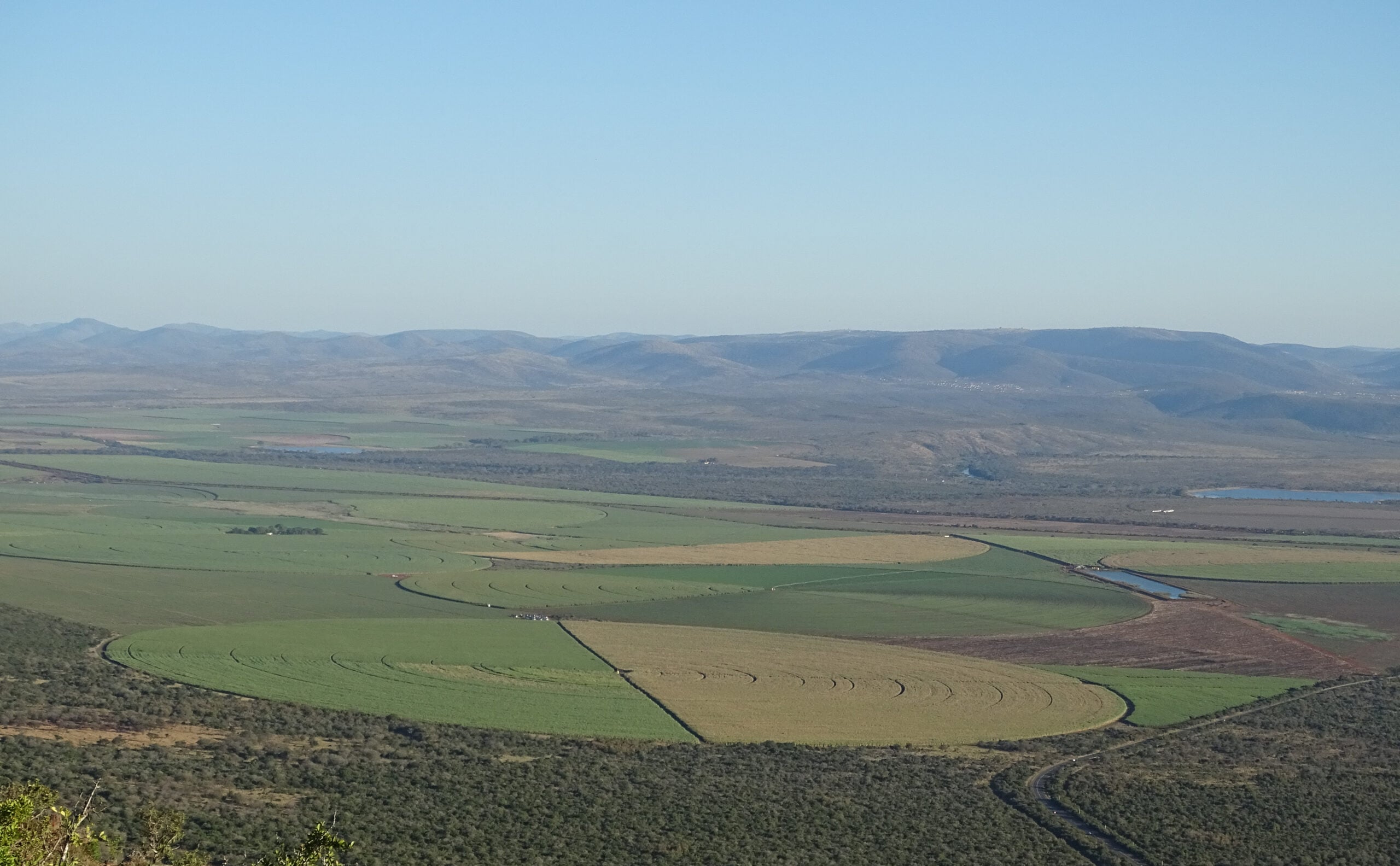
It landed in a strange season. Some growers say they cannot find anyone to cut the crop the tariff is meant to protect.
What the Regulator Actually Did
South Africa protects its sugar with a variable levy rather than a fixed rate. A reference price is set in dollars, and the duty rises as the world price falls below it.
The International Trade Administration Commission raised that reference price to US$785 a tonne from US$680. It published the change in the government gazette on 28 August.
The duty rose with it, to 69.79 cents a kilogram from 48.37 cents. In tonne terms that is about 6,979 rand (US$432) against 4,837 rand (US$300).
The industry had asked for more. The South African Sugar Association applied in October 2024 for a reference price of US$905.
The Case for the Tariff
Imports are the industry’s stated problem, and the numbers are stark. Sugar imports reached 94,984 tonnes between January and May 2026, against 55,213 tonnes a year earlier.
Growers put the source as subsidised sugar from Brazil, India, Thailand and Eswatini. SA Canegrowers puts the industry’s loss at 1.6 billion rand (US$99 million) for the 2025/26 season.
A further 560 million rand (US$34.7 million) had gone by mid-2026 in the new season. Those figures come from the growers’ own association, citing revenue service data.
The Problem the Tariff Does Not Touch
A tariff raises the price of imported sugar. It does not put anyone in a field with a cane knife.
A grower on the KwaZulu-Natal north coast told AFP he lost up to 80% of his crew in June. Another said he had replaced only 20 of 100 cutters.
An industry estimate put the shortfall at about 30% going into the harvest. Cane must be cut and crushed within days, so a missing crew is not a problem that waits.
Why the Cutters Went
An anti-immigrant group called March and March set 30 June 2026 as a deadline for undocumented migrants to leave. That was reported by the Reuters news agency.
A state crackdown ran alongside it. Justice Minister Mmamoloko Kubayi said on 12 July that 53,449 people had been deported or repatriated in a single month.
More than 80% were Malawian.
A separate tally assembled by AFP from other African governments’ repatriation figures puts total departures above 160,000. South Africa has not published a comparable total.
The two figures measure different things and should not be added. One is a month of state action, the other an estimate of all departures.
These Are Two Stories, Not One
It would be easy to read the tariff as a response to the labour crisis. It is not.
The application was filed in October 2024, long before the deportation drive. The industry’s case rests entirely on subsidised imports.
What the two share is timing. They land on the same farms in the same season, and neither solves the other.
The Labour Market Around It
Statistics South Africa reported on 11 August that unemployment rose to 33.6% in the second quarter, from 32.7%. That is 345,000 more people out of work, and 8.5 million in all.
Among 15- to 34-year-olds the rate reached 47.4%. So the jobs vacated by migrants are not scarce in a country short of work.
Agriculture and manufacturing each shed 15,000 jobs in the quarter to June, mining 26,000 and community and social services 57,000. Trade added 70,000 and construction 39,000.
The pattern is not confined to farms. Reuters visited three clothing factories in Newcastle in late July whose owners said they had lost 12% to 19% of their staff.
Why the Vacancies Are Not Filled
The pay explains much of it. Cut-make-trim fees for a pair of jeans can start at 11.50 rand (US$0.71).
The national minimum wage has been 30.23 rand (US$1.87) an hour since 1 March.
Cane cutting is piecework in heat, and it is seasonal. Removing the people who did it does not by itself make the work attractive to anyone else.
The Industry’s Other Demand
The tariff is only half of what the sector wants. SA Canegrowers is also campaigning to scrap the health promotion levy, the tax on sugary drinks introduced in 2018.
The association says the levy has cost 16,000 jobs and 2 billion rand (US$124 million). The 2026 budget left it unchanged.
Frequently Asked Questions
What exactly changed on 28 August?
The trade regulator raised the dollar reference price used to calculate sugar import duty, from US$680 a tonne to US$785. The duty itself rose from 48.37 to 69.79 cents a kilogram, or from US$300 a tonne to US$432.
Why raise the duty?
The industry says subsidised imports from Brazil, India, Thailand and Eswatini are undercutting local sugar. Imports nearly doubled in the first five months of 2026.
Is the tariff a response to the labour shortage?
No. The application was filed in October 2024, long before the deportation drive, and rests on imports rather than labour.
How many migrants left?
The government said in July that 53,449 people had been deported or repatriated in a one-month crackdown. A wire tally of other governments’ repatriation figures puts total departures above 160,000.
Are South Africans taking the cane-cutting jobs?
Largely not, on growers’ accounts. One replaced only 20 of 100 cutters, and an industry estimate put the shortfall at about 30% ahead of the harvest.
Sources: International Trade Administration Commission, Government Gazette 55269 notice R.7864 of 28 August 2026 (ITAC Report 781); Statistics South Africa Quarterly Labour Force Survey released 11 August 2026; SA Canegrowers citing South African Revenue Service data; South African Sugar Association; Reuters; AFP; Farmer’s Weekly. Converted at 16.1467 rand to the dollar, the South African Reserve Bank rate for 2 September 2026.