By The Daily Caller (U.S.) | Created at 2026-09-15 05:01:40 | Updated at 2026-10-06 05:19:12
3 weeks ago
By The Daily Caller (U.S.) | Created at 2026-09-15 05:01:40 | Updated at 2026-10-06 05:19:12
3 weeks ago
The Supreme Court refused Monday to let new federal ballot rules take effect before this year’s midterm elections.
The justices turned down the Trump administration’s emergency request to enforce a U.S. Postal Service rule while the case moves through appeal, ruling that the government “is unlikely to succeed on the merits of its challenge” to a lower court’s injunction, according to the court’s order. (RELATED: Obama Judge Once Again Orders Postal Service To Defy Trump’s Mail-In Ballot Executive Order)
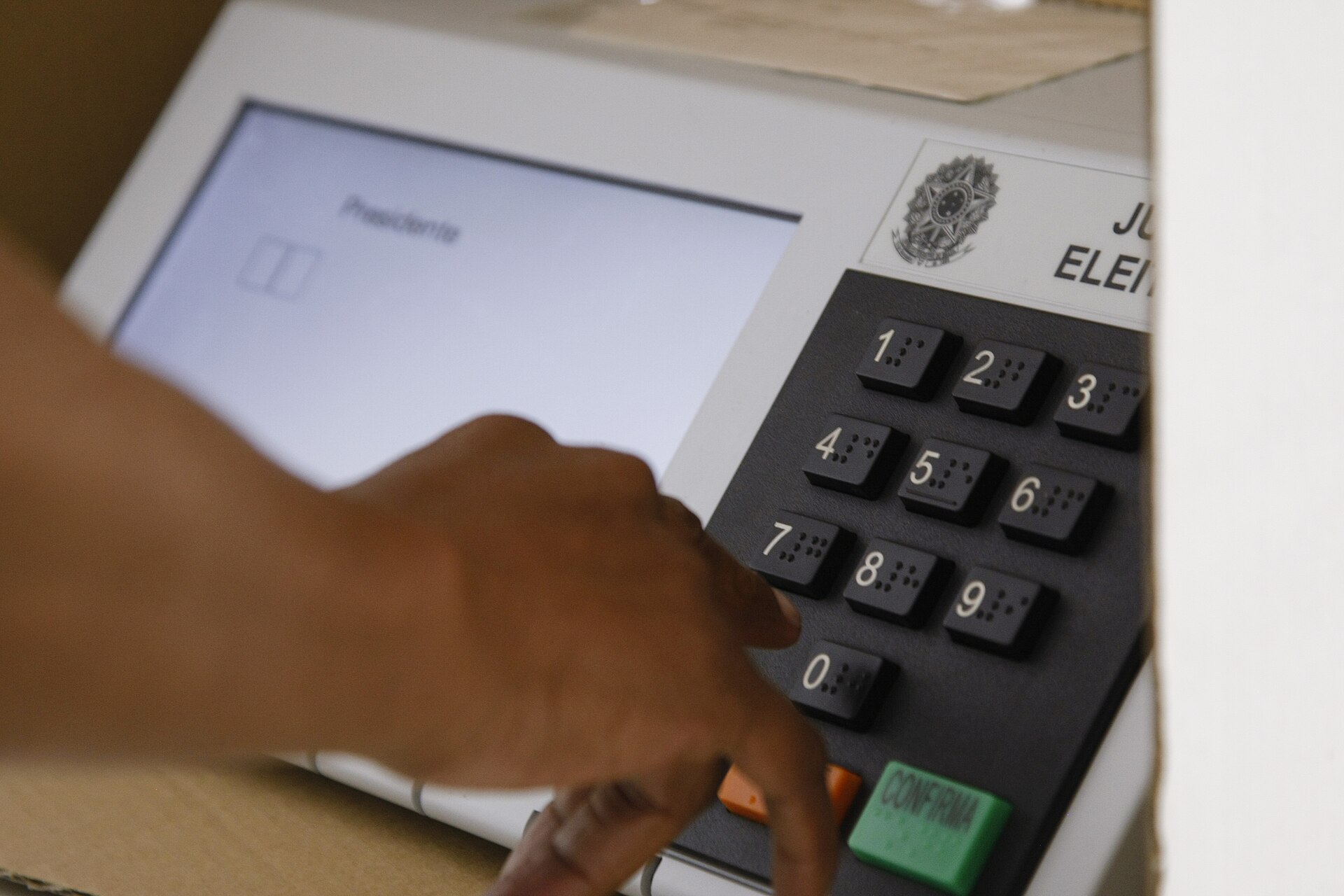
The rule, issued in late August under an executive order from President Donald Trump, forces states to redesign ballot envelopes with an election-mail logo, high-speed scanning capability and a barcode tied to each voter, according to the Supreme Court opinion. States would also have to send voter details to a Postal Service portal for review before ballots could ship.
BREAKING: The Supreme Court has refused to let USPS’s new mail-ballot rules take effect for the 2026 midterms. Justices Alito and Thomas dissent. pic.twitter.com/D27sx76txJ
— SCOTUS Wire (@scotus_wire) September 14, 2026Justice Brett Kavanaugh agreed with the outcome but wrote separately to say the agency likely holds the power to issue such a rule. “But applying the rule in the 2026 elections would be arbitrary and capricious in violation of the Administrative Procedure Act because state and local election officials do not have sufficient time to reasonably implement the rule before the elections,” Kavanaugh wrote in his concurrence. His reasoning leaves the door open for the requirements to return in later contests.
Justices Samuel Alito and Clarence Thomas dissented. Alito argued that several challengers had no legal standing and that the states leaned on a theory he called “a ‘Hail Mary pass’” that “‘rarely succeeds,’” since the Postal Service carries wide authority over how mail gets handled.
Solicitor General D. John Sauer had described the plan as modest and called the injunction baseless, according to The Hill. White House spokesperson Lauren Bis also defended the effort, telling Axios the rule sets “commonsense measures to protect the security of mail-in ballots and ensure only Americans vote in American elections.”
A coalition of Democratic-led states; Washington, D.C.; and voting-rights groups sued to stop the rule, Reuters reported. U.S. District Judge Indira Talwani blocked it on Sept. 4, finding it clashed with states’ authority to run their own elections, and the 1st U.S. Circuit Court of Appeals declined to pause her order. The dispute now returns to that court with the midterms roughly seven weeks away.