By The Rio Times | Created at 2026-06-24 10:46:46 | Updated at 2026-06-24 12:01:29
1 hour ago
By The Rio Times | Created at 2026-06-24 10:46:46 | Updated at 2026-06-24 12:01:29
1 hour ago
Energy
Key Facts
—The news. Petronas made a new gas discovery in Suriname’s offshore Block 52, announced by President Jennifer Simons on June 23.
—The milestone. The block now holds eight discoveries totalling more than 1 billion barrels of oil equivalent, per Petronas.
—The decision. Petronas is due to take a final investment call on the block’s first gas project by the end of 2026.
—The plan. A floating plant would chill the gas into LNG offshore, with first output targeted for 2030.
—The ambition. Officials want the gas to seed local industry, from bauxite refining to petrochemicals.
—The backdrop. The country’s first oil, the TotalEnergies-led GranMorgu project, is still due to start in 2028.
A fresh Suriname gas discovery announced this week tipped a single offshore block past a billion barrels of finds, and handed the small South American nation a new card to play just as it decides whether to build its first gas export project.
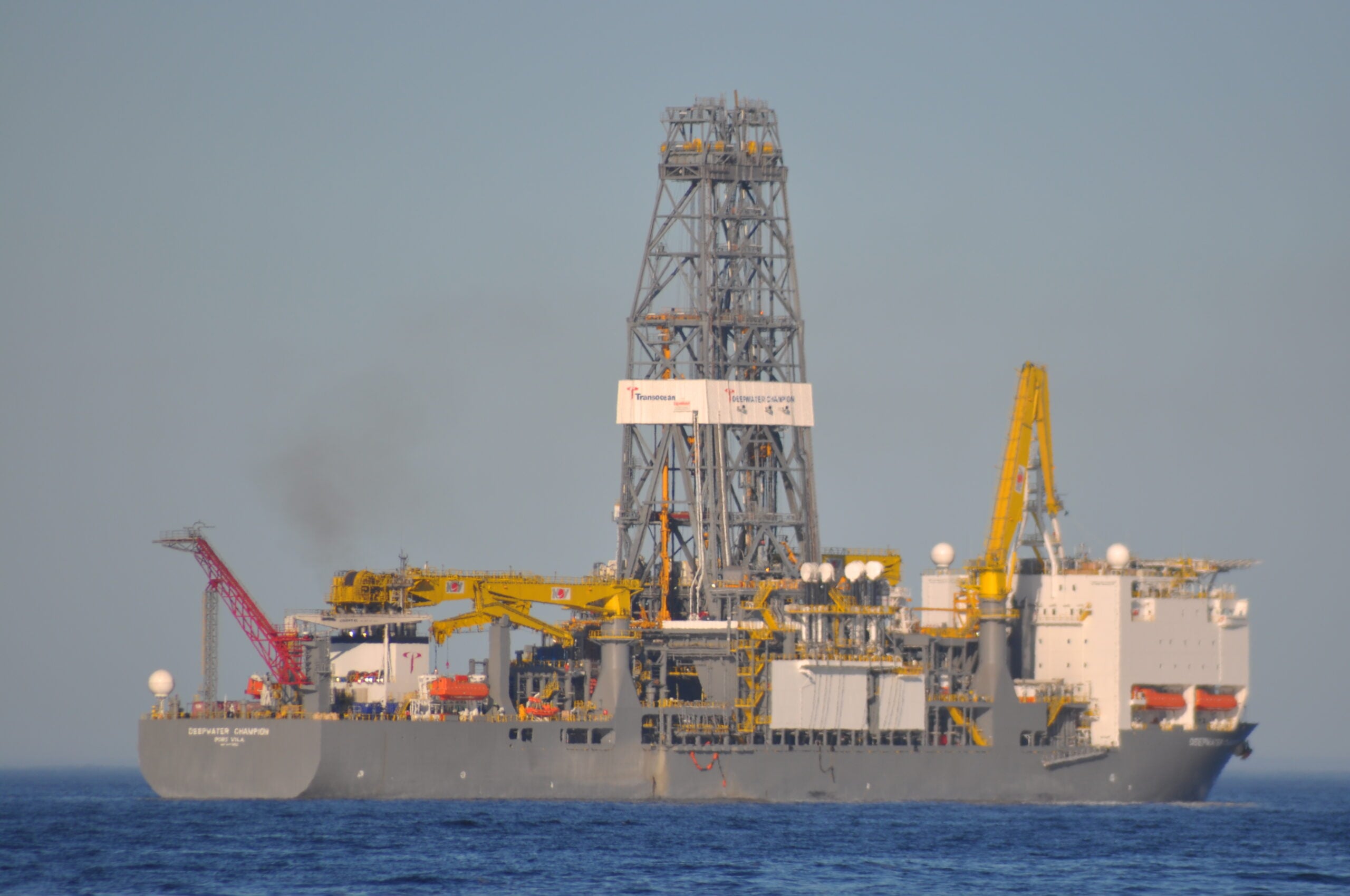
The find was unveiled by Suriname’s president, Jennifer Simons, at an energy conference in the capital, Paramaribo. She called it good news for the country and said it lays the groundwork for several oil and gas projects to come.
The block in question, known as Block 52, sits offshore and is run by Petronas, the Malaysian state oil company. It is the same patch of seabed where the country’s first gas project is already being planned.
For a reader far away, the simple point is this: Suriname is a tiny country trying to follow its neighbour Guyana into the ranks of serious oil and gas producers, and every new discovery makes that future a little more real.
Why this Suriname gas find matters
Petronas now counts eight successful discoveries in Block 52, together holding more than a billion barrels of oil equivalent, a measure that lumps oil and gas into one figure. The company’s upstream chief, Mohd Jukris Abdul Wahab, told the conference the block sits in a promising stretch of seabed nicknamed the Golden Lane.
The headline number matters because scale is what turns scattered finds into a real business. A billion barrels of resources is enough to justify the kind of expensive offshore plant that gas, in particular, demands.
The largest of those finds, a field called Sloanea, was declared commercially viable late last year. That ruling cleared Petronas to start drawing up a full development plan, the step before any money is committed.
Petronas has worked the block for over a decade, having signed its contract with the state oil firm, Staatsolie, back in 2013. The string of finds since then has slowly turned a long-shot bet into the country’s leading gas prospect.
The decision that turns a Suriname gas find into a project
The real test comes later this year. Petronas is expected to take a final investment decision on the Block 52 gas project before the end of 2026, the point at which a discovery either becomes a funded build or stays a line on a map.
The chosen design is unusual. Rather than piping gas ashore, the plan is to chill it into liquid form aboard a floating plant moored at sea, a vessel known as a floating LNG unit, with first gas targeted for around 2030.
If it goes ahead, it would be the first such project in the region. Liquefying the gas offshore lets Suriname ship it to buyers anywhere in the world, rather than depending on a pipeline to a single neighbour.
The geology is no accident. Suriname shares the same prolific offshore basin as Guyana next door, where a string of giant oil finds has reshaped the economy, and global energy firms are now circling Surinamese waters in a licensing round covering more than 70,000 square kilometres.
What it means for investors
Suriname’s oil minister, Patrick Brunings, framed the gas as more than an export earner. He said the world is hunting for reliable gas suppliers and Suriname can fill that role, while also using cheap domestic gas to seed industries such as bauxite refining and petrochemicals.
That ambition is years away and rests on decisions not yet taken. The country’s first oil, from the TotalEnergies-led GranMorgu project on a separate block, is still being built and is not due to flow until 2028, so the gas story is the one to watch after that.
Frequently Asked Questions
What is the new Suriname gas discovery?
It is a fresh offshore find in Block 52, run by Malaysia’s Petronas, announced by Suriname’s president in late June. It brings the block’s tally to eight discoveries holding more than a billion barrels of oil equivalent.
When will Suriname produce gas?
Petronas is expected to decide whether to fund the project by the end of 2026, with first gas targeted for around 2030. The plan is to liquefy the gas aboard a floating plant at sea for export.
How does this compare with Suriname’s oil?
The gas sits in Block 52, while the country’s first oil comes from the separate, TotalEnergies-led GranMorgu project due to start in 2028. Together they anchor Suriname’s bid to follow neighbouring Guyana into the big league of producers.
The Rio Times · Power Map
See who really holds power in Latin America
Click to open the Power Map →