By The Straits Times | Created at 2026-09-18 04:01:37 | Updated at 2026-09-18 09:56:42
6 hours ago
By The Straits Times | Created at 2026-09-18 04:01:37 | Updated at 2026-09-18 09:56:42
6 hours ago
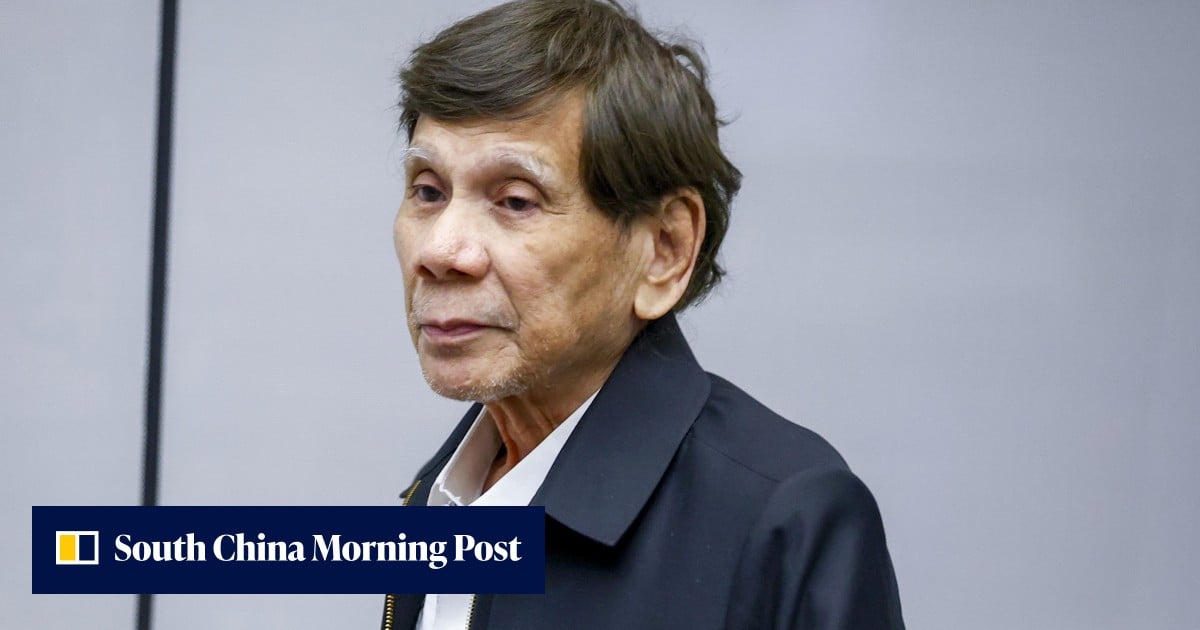
BANGKOK – Thailand’s finance minister isn’t getting much sleep these days.
Ekniti Nitithanprapas said the demands of the job have cut his nightly sleep to about four hours, leaving him relying on weekly vitamin drips and daily supplements to keep going.
“They help ease the fatigue,” he said in an interview with Bloomberg News this week, only half-joking that the stress of dealing with data centres and the energy crisis has also left his skin breaking out.
The comment captures Ekniti’s challenge after becoming the point man for an unusually broad swath of Thailand’s economy.
His reach extends from taxes and stimulus programmes to electric vehicles, data centres and energy as the government tries to revive one of South-east Asia’s slowest-growing economies while navigating US trade pressure and an artificial intelligence-fuelled investment boom that’s straining power and water supplies.
Ekniti was serving as director-general of the Treasury Department when Prime Minister Anutin Charnvirakul recruited him after taking over in September 2025, one of several technocrats he tapped to help his Bhumjaithai Party lead government for the first time.
Ekniti came with decades of experience in Thailand’s economic bureaucracy, having led the Revenue Department, Excise Department and State Enterprise Policy Office.
Anutin appointed him deputy prime minister and finance minister, giving him considerable latitude over policy.
Ekniti, who turned 55 on Sept 17, is also running the sprawling Finance Ministry without a deputy.
The two other technocratic ministers who also serve as deputy prime ministers similarly have no ministerial deputies.
Pichai Naripthaphan, who has served as both deputy finance minister and energy minister, said that structure adds to an already formidable workload.
“With the difficult economic environment bringing a multitude of problems, the burden is more than one person can realistically handle,” Pichai said. “We have to accept that no one is Superman.”
Among leaders in Asia, Japanese Prime Minister Sanae Takaichi is probably best known for long working hours, saying she typically gets just zero to three hours sleep a night.
On one particularly hectic day, racing between official meetings, seminars and other engagements, Ekniti managed just two hours of sleep.
Even when he gets to bed, his mind doesn’t always cooperate.
His benchmark for success is economic growth exceeding 3 per cent, something Thailand hasn’t achieved since 2018, alongside a sustained investment revival.
He wants investment to rise to about 30 per cent of gross domestic product while helping households and businesses navigate the economic transition.
Energy and data centres are among the most immediate tests.
Ekniti wants the current energy shock to accelerate Thailand’s shift toward more secure and sustainable sources while containing the damage from higher costs.
He also heads a committee drawing up rules for the surge in data-centre investment, seeking to capture the benefits of the AI boom without overwhelming Thailand’s resources.
When his schedule allows, he tries to claim one weekend day for himself, sleeping seven or eight hours and exercising before returning to work.
The respite can be short-lived, Ekniti said. “There always seems to be another crisis.” BLOOMBERG