By Engadget | Created at 2026-09-27 18:37:19 | Updated at 2026-09-27 19:35:45
1 hour ago
By Engadget | Created at 2026-09-27 18:37:19 | Updated at 2026-09-27 19:35:45
1 hour ago
They're neat, but are they worth the price?
Framesira/Shutterstock
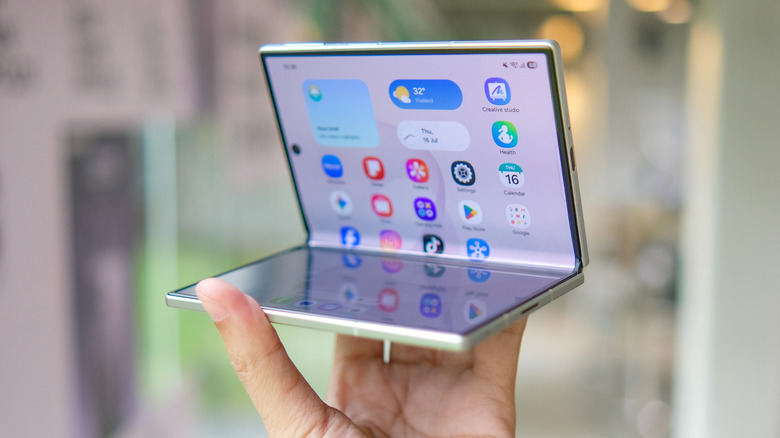
Apple, Google, Samsung — all the big-name manufacturers offer foldable phones, and consumers are growing more curious about them. While the category isn't huge, accounting for approximately 2 percent of the entire smartphone market, they are growing as shoppers decide the features they provide justify their significantly higher price.
But perhaps it is true to say that when you are spending a good slice of $2,000+ on a device, you want it to be able to deliver on the higher end of the features it promises. So, what are the pros and cons of using a foldable phone?
Foldable phones: The pros
Wongsakorn 2468/Shutterstock
To name a few, people like foldables for:
- Wow factor
- Display size
- Flexible use
- Multitasking and multi-app support
- Folding device caters to multiple needs
We'll start with the "Wow" factor. The physical transformation of the device when you fold it out, and the satisfying "snap" as you fold it back again, attract attention and provide unique physical feedback you don't get in standard smartphones. These devices are novel enough that 59 percent of smartphone owners are interested in the category, though cost and durability concerns remain.
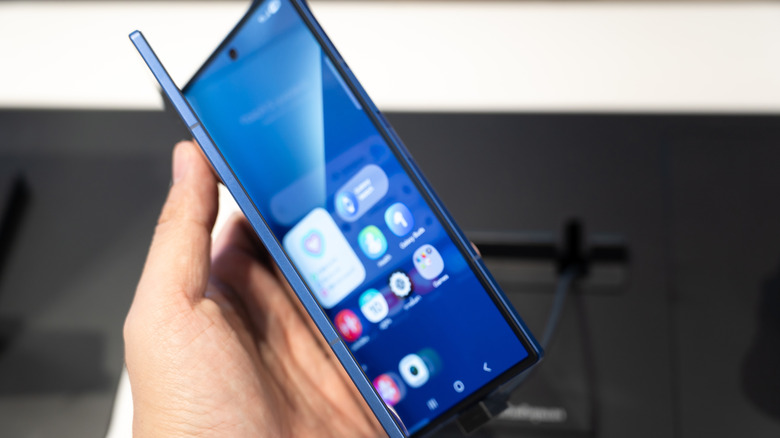
With displays up to 8 inches, the category provides users with much larger displays in a product they can pocket. That's space for leaned-back experiences like browsing, streaming video or reading; it's also space for productive work, writing, editing and creative applications.
Manufacturers are optimizing the operating systems used by smartphones. That means better multitasking, multiple apps that open alongside each other, easy swiping through content between different apps and more. App developers are also improving their apps to make use of these unique folding platforms.
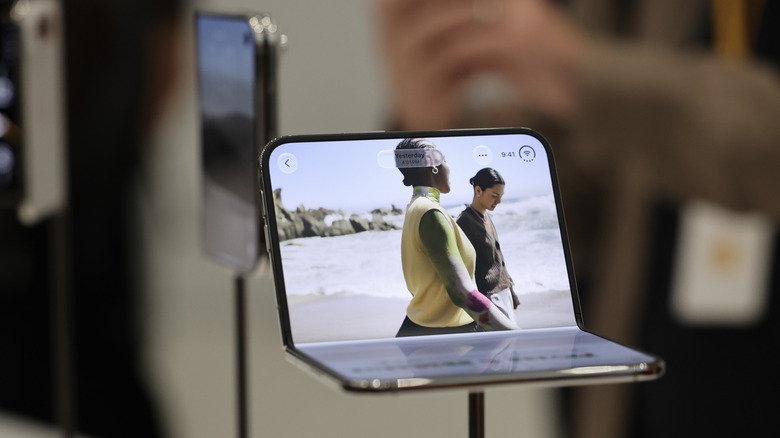
Because of how they are constructed, devices are flexible to use — use them folded like a phone, open them out to become a small tablet, half-fold them to deploy them as a mini-laptop or turn the device into a tripod-supported camera for video conferencing, selfies or photography. That flexibility means these phones can be used in ways others cannot.
Foldable phones: The cons
Benjamin Fanjoy/Getty Images
For all their versatility, there are several downsides to consider:
- Folding resilience
- Mechanical durability and dust/liquid resilience
- Display prone to scratches
- Camera quality
- Bulk and weight
- Apps may not yet be optimized
- Repair and replacement cost
Folding devices are tested for folding resilience — the number of folds they can support — but no current models last forever. Some older models display visible creases which look unpleasant and get in the way when using apps. The flexible plastic or ultra-thin glass displays used can be prone to scratches.
Those complex hinge mechanisms can become jammed by dust. Ingress Protection (IP) numbers help us evaluate the potential for this; the higher the first digit in an IP rating, the more resilient the device should be.
Earlier devices were relatively heavy and thick; some still balk at the weight. For example, the four most popular U.S. foldables weigh over 200g, partly due to the larger battery required for the displays. To make devices thinner, designers dispensed with bulky camera mechanisms, which means the cameras in most devices in the category are less advanced than those in high-end smartphones.
When it comes to app optimization, some apps still struggle to scale or transition smoothly between the outer and inner displays. Manufacturers and app developers are working to improve user experiences, but at this time, if you depend on any mission-critical apps, you should ask developers to confirm their support for foldables.
Finally, there's repair and replacement. With more moving parts, repair costs will be high. iFixit warns these devices are currently "not repairable." As the "Wow" factor nurtures a steady street trade in lost/stolen devices, making smartphone insurance essential.
Should you buy a folding smartphone?
Considering all the above, should you buy a folding device? It comes down to what you want from your phone. If you need a bigger display for reading, work or multitasking and don't mind paying a premium, the category has certainly become mature enough to be your daily driver. If you're rough on your devices, rely on apps that don't support folding screens, need better cameras or are price-conscious, a traditional smartphone remains your best bet until foldables close the gap.