By Literary Hub | Created at 2026-10-06 12:32:39 | Updated at 2026-10-06 17:17:31
8 hours ago
By Literary Hub | Created at 2026-10-06 12:32:39 | Updated at 2026-10-06 17:17:31
8 hours ago
“To mother in modern culture is to become a temple subjected to public scrutiny.”
I was no virgin when I met my husband, and he knew it. We have been monogamous, but I wouldn’t call myself chaste. (I can hear my friends guffaw.) Pleasure brings me no shame. Books gave me strength to be my own woman.
When it comes to what I do with my womb, I’ve defended myself to random interrogators and family who feared I would not marry. In college, to keep my numbers down, Abuela prayed I would wed the next man I met. If that’s what God thinks is best. Even prayers need clauses. As my primary caretaker, Abuela did not believe I’d find a man to love me, given my prickly ways. Throughout my childhood and into my adulthood, even after I’d been married for years, she told me hundreds of times that I needed to change to keep a husband. A false prophecy.
When are women worshipped like goddesses? Wedding day only. (2007-me in a white dress and red pashmina, Brian with my kiss marks on his face.) Marriage brings the promise of children. Have one? Don’t fret—you’ll be hustled into another soon enough. Have two? Better get your quips out since one and done is a foregone conclusion. Two and through should suffice. Social pressure to stay fertile does not end until it’s obvious to onlookers that this woman could not produce another baby. Imagine dying with nipples sore and slack.
Two sons and one decade into our marriage, I’ve asked my husband to get a vasectomy, modernity’s quickest and most effective birth control, no ceremony but a few laughs and winces. I love him and our boys. They are enough for me, but I am not yet enough for me. I want to be kept safe from worship. I intend to rule my own body. By which I mean I do not want more children.
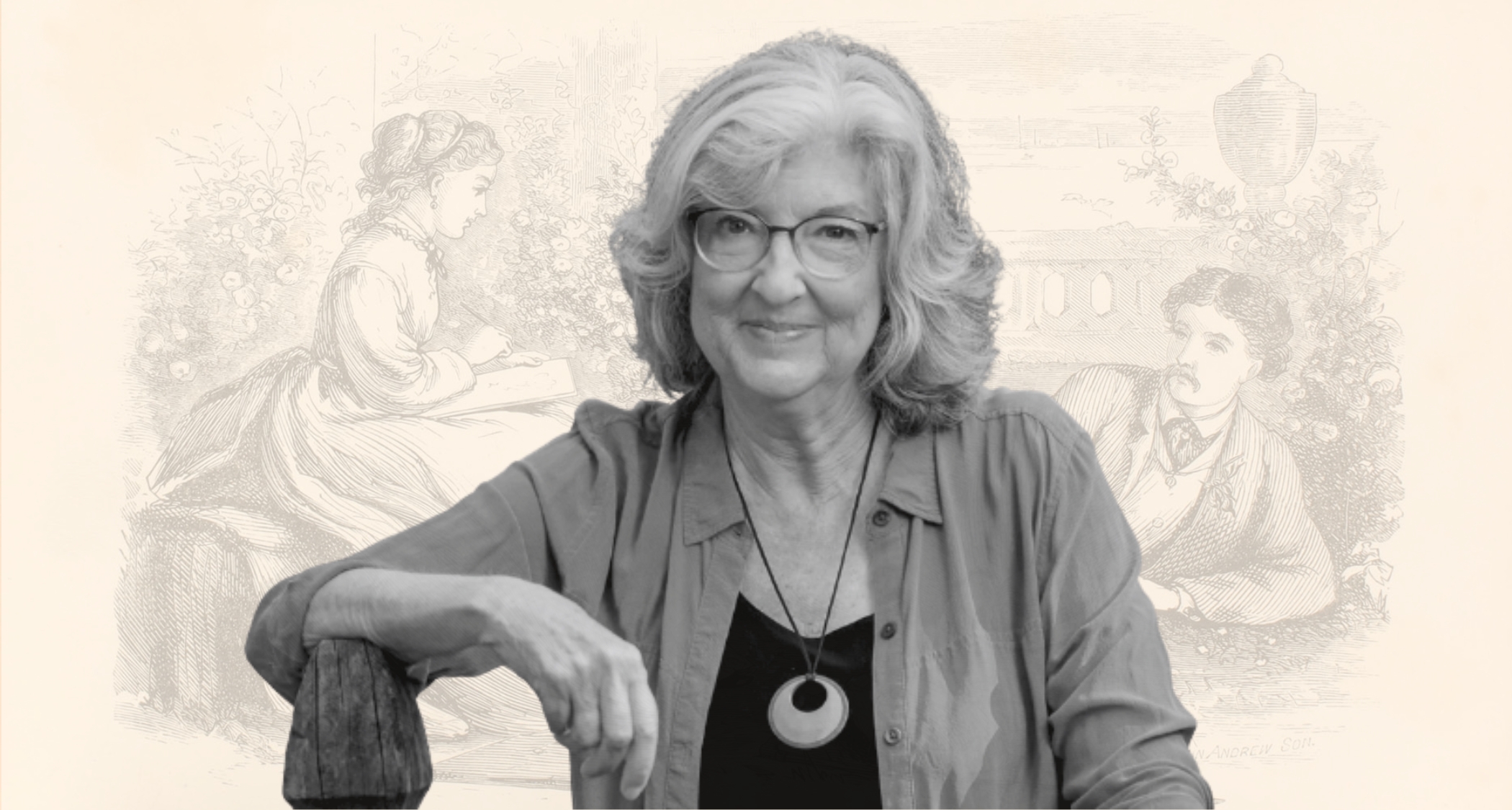
Dame Mary Beard is a feminist scholar of the classics. Intrigued by her study of womanhood, power and speech, I have followed her mind to antiquity and back. In “The Roman and the Foreign: The Cult of the ‘Great Mother’ in Imperial Rome,” Beard tells us the Great Mother Goddess was formally introduced to Rome in 204 BCE. Not just an idea, Cybele was a burnt space rock from Asia Minor, now known as the Republic of Türkiye. I repeat: Cybele was a meteorite.
Worshippers lined Cybele’s cracks with silver and installed her in a temple dedicated in 191 BCE on Palatine Hill, considered to be the birthplace of Rome. Centuries passed before a collective sense of Cybele’s importance yielded archival details of her arrival. Beard turns to Livy, who describes a series of meteor showers in the waning days of the war against Hannibal. Eager to interpret the gods’ will—surely, stones that trailed light must hold sacred portent—the Romans consulted the Sibylline Books.
I want to be kept safe from worship. I intend to rule my own body. By which I mean I do not want more children.
Translated from Greek, these oracular utterances proclaimed: When a foreign enemy had brought war to the land of Italy, he could be driven out of Italy and defeated, if the Idaean Mother were brought to Rome from Pessinus. Legend held that the Roman race had sprung from Mount Ida in Troy, whose name Cybele bore—Magna Mater Idaea.
Seeking confirmation of this divine directive, the Romans sent ambassadors to King Attalus of Pergamum by way of Delphi, where the fume-addled oracle decreed that the Goddess be received by he who was the best man in Rome.
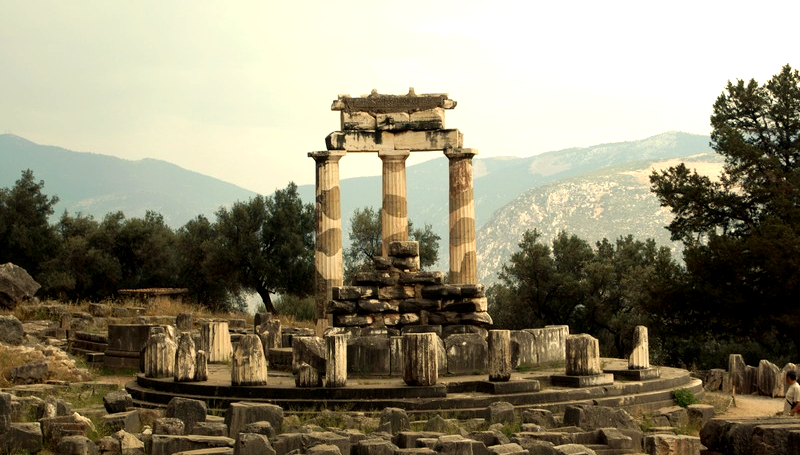
Delphi sits above a geologic vent, an X from which noxious gases escaped the earth, corrupting the minds of women who inhaled and pronounced their prophecies. In July 2013, one year before I learned Cybele’s name and more than 2,200 years after she was brought to Rome, I walked up that parched mountainside, once soaked in the blood of animals sacrificed to divinity, to ostentation, to the desperation of needing to know the future. There I saw a stone shaped like a womb, revered as the center of the universe. Not anymore. Most people measure the year by its distance from the birth of Jesus. And let’s not forget that July was named for the Roman dictator Julius Caesar. Men cast long shadows.
In Delphi, I was already pregnant, but I did not yet know. With me among the toppled columns were cells dividing in a freefalling swarm, grappling like eagles tumbling from a cliff. The writhing ball would implant in my body when I was back from Greece and en route to a writing conference. My uterine lining twinged, and I clutched my coffee in the ferry line. I think I just felt my baby implant, I told my friend. I better not drink while I’m here. To mother in modern culture is to become a temple subjected to public scrutiny.
History is hazy, and Beard suspicious. Livy, too. He wrote that Attalus gave the Roman ambassadors the sacred stone which the local inhabitants said was the Mother of the Gods. What had the ambassadors offered in return? The chance to keep living? Attalus could have dusted off another meteorite and called it Cybele. The human mind imbues objects with holiness. Could a fraudulent rock, a substitute, become real through the worship of multitudes? Perhaps pregnancy could make me a mother.
______________________________
From Desire Lines by Kristen Millares Young. Copyright © 2026. Available from Red Hen Press.