By The Rio Times | Created at 2026-10-15 21:11:24 | Updated at 2026-10-15 22:00:42
1 hour ago
By The Rio Times | Created at 2026-10-15 21:11:24 | Updated at 2026-10-15 22:00:42
1 hour ago
One-stop reference
Company Intelligence
Every listed company in Latin America — financials, ownership and structure for 1,450+ companies across 26 exchanges, in one place.
TOGO · TRADE
Key Facts
- —The country Togo is a small West African nation on the Gulf of Guinea whose port at Lomé serves landlocked Mali, Niger and Burkina Faso.
- —What happened Customs experts from four countries met in Ouagadougou from Monday 12 to Wednesday 14 October to finalise a draft tariff plan.
- —The plan The tariff plan would give goods made inside the Sahel confederation special treatment, with common origin rules and shared certification.
- —The link Togo is not a member of the confederation, yet its revenue office joined the talks on connecting customs computers and securing goods in transit.
- —Next step Customs directors general and Togo’s revenue chief meet in Ouagadougou on Thursday 15 and Friday 16 October to review the experts’ conclusions.
- —Still open No tariff rates, start date or list of covered goods has been published.
Togo and three Sahel states have drafted a joint tariff plan that could change how goods move inland from Lomé’s port. Customs experts from Togo, Mali, Niger and Burkina Faso worked on the text in Ouagadougou until Wednesday 14 October, Togo First reported.
For US shippers, exporters and investors, the tariff plan matters because Lomé is the sea gateway for three landlocked countries that left the bloc ECOWAS. Customs chiefs meet on 15 and 16 October to decide what happens to the draft.
What the Experts Finished in Ouagadougou
Experts from the customs services of Burkina Faso, Mali and Niger met with experts from Togo’s revenue office in Ouagadougou, the capital of Burkina Faso. The talks ran from Monday 12 October to Wednesday 14 October, the APA news agency and Bénin Web TV reported.
The three Sahel countries form the Confederation of Sahel States, a bloc that Burkina Faso, Mali and Niger created in July 2024 after leaving ECOWAS. Togo is not a member, but it took part in the customs consultation as a neighbour and transit partner.
Yves Kafando, the director general of customs of Burkina Faso, opened the meeting. He called for closer cooperation between the Sahel and Togolese administrations to harmonise procedures, speed up trade and secure public revenue.
Follow this story
Get an email when there’s news on Africa
Free. One email a day at most, and only when there is news. This also signs you up to our weekday newsletter, Africa Intelligence. Nothing arrives until you click the confirmation link, and you can stop either with one click. Privacy policy.
How the Tariff Plan Would Work
The experts worked to finalise a draft decision creating a confederal preferential tariff plan, Togo First reported on Thursday 15 October. Goods that count as made in the confederation would get special treatment at the border, though the rates have not been published.
Such a system depends on rules of origin, which say when a product counts as local, and on a way to certify that origin. The experts worked on both, along with the shared computer links between customs offices that make certificates checkable.
They also reviewed what has happened since a customs meeting in Bamako, the capital of Mali, on 2 and 3 October 2025. Staff training run with the Burkinabè public finance institute was on the agenda as well.
Why Togo Sits at the Table
Togo’s revenue office, known as the OTR, collects both taxes and customs duties for the Togolese state. Its chief, the commissioner general, is expected at the high-level meeting, though no name has been published.
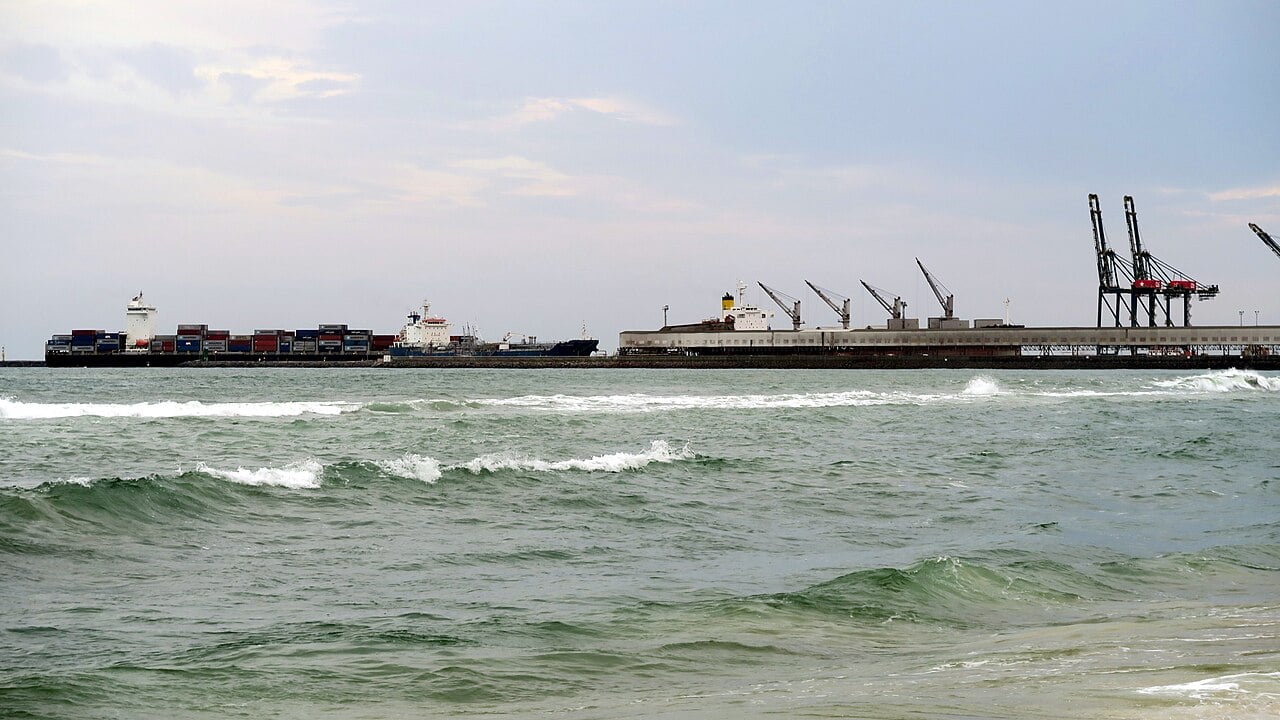
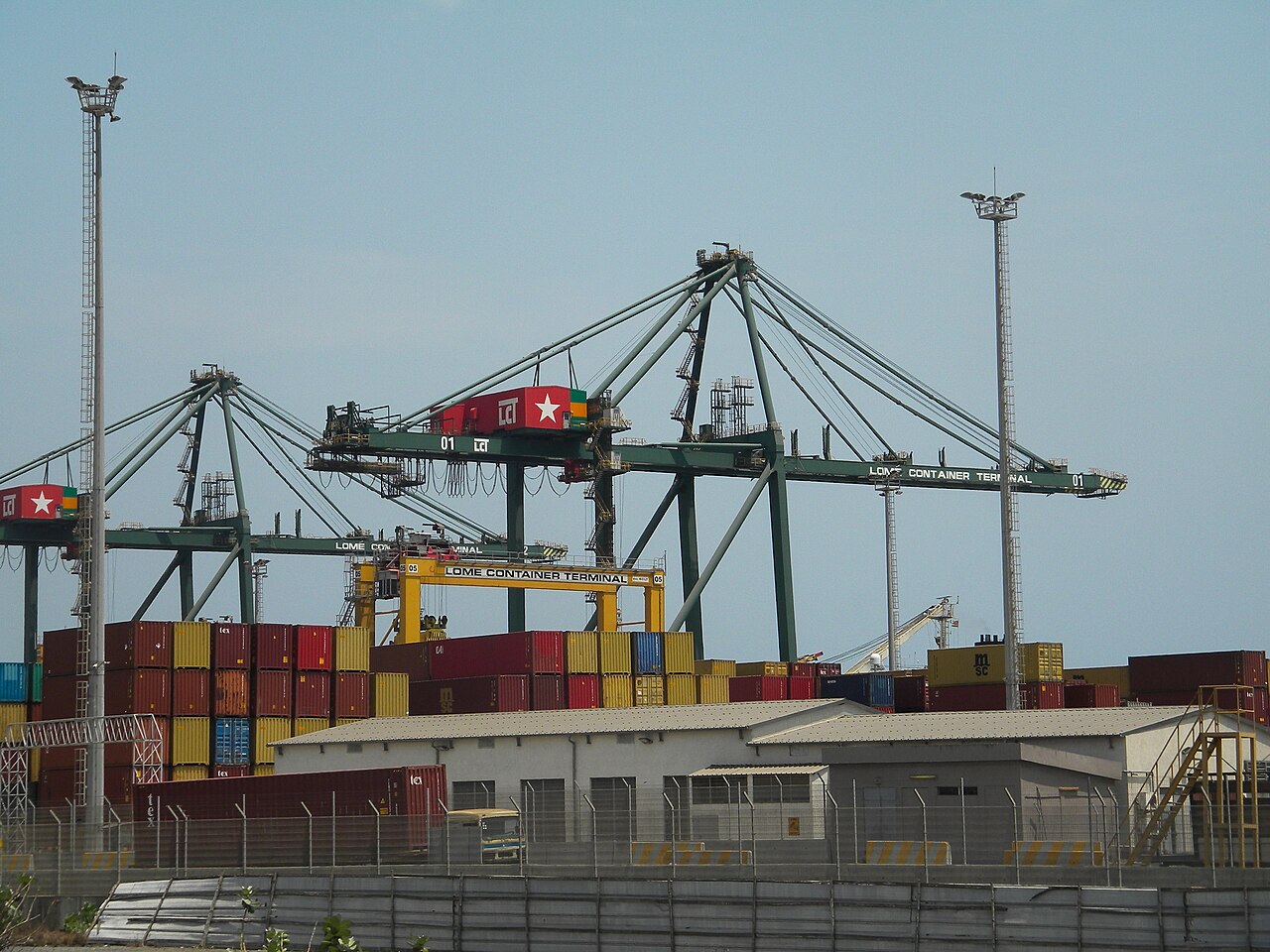
Lomé is presented as the sea gateway for goods bound for the Sahel economies, Togo First wrote. A first phase of customs computer links went live on 10 March 2025 on the Lomé to Bamako corridor, covering transit to Mali.
That link uses the Sydonia World customs system, so officials can follow a truck from the port to its destination. Fraud prevention and the security of goods in transit were named as key issues in the talks.
A delegation of the Alliance for the Promotion of the Port of Lomé, which groups over 40 port firms and agencies, is touring Sahel capitals. It visited Niamey from 4 to 9 October and plans Ouagadougou on 18 to 24 October and Bamako on 2 to 8 November, Togonews reported.
What Happens Next
The experts’ conclusions on the tariff plan now go to the customs directors general of the Sahel countries and to the OTR commissioner general. They meet in Ouagadougou on Thursday 15 and Friday 16 October for the fifth time, Togo First and APA reported.
Whatever the directors general decide would still need adoption by the confederation’s bodies, so the final tariff plan may differ from the draft. Togo First noted that the practical effects depend on those final terms.
What It Means for US Readers
Lomé is a sea gateway for containers bound for the landlocked Sahel, so tariff rules there shape costs for anyone selling into the region. Our earlier look at Lomé port and Sahel trade explains why the harbour has gained weight as Sahel trade reroutes.
US logistics firms, shipping lines and commodity traders would face one more set of origin rules to master if it becomes law. Faster, better-tracked transit could lower delays and fraud, while preferences for confederation goods could squeeze imports that enter through Lomé.
For investors, the plan shows Togo working with three governments that have left ECOWAS. Togo stays outside the bloc yet builds trade ties that keep Lomé in the middle of Sahel commerce.
What Is Not Known
No tariff rates, product list or start date has been published for the regime. It is also unclear whether Togo would share in the preferences or only in the transit arrangements.
The outcome of the 15 and 16 October meeting is not yet public. Nor is it known how the plan would sit alongside the rules of ECOWAS, the West African bloc Togo still belongs to.
More: Africa news in English, every day from The Rio Times.
Frequently Asked Questions
What is the Sahel tariff plan?
The tariff plan is a draft decision to give goods made in Mali, Niger and Burkina Faso a preferential tariff inside their confederation. Experts from Togo joined the talks on customs links and transit.
Is Togo joining the Confederation of Sahel States?
No, Togo is not a member of the confederation that Mali, Niger and Burkina Faso formed in July 2024. It is taking part in customs consultations as a transit partner.
Why does the port of Lomé matter to the Sahel?
Lomé is the sea gateway for goods bound for Sahel economies that have no coast of their own. Trucks carry the cargo north along National Route 1 and other roads.
When will the Sahel tariff take effect?
No date has been announced. Customs directors general meet in Ouagadougou on 15 and 16 October to review the experts’ draft.
Why should US companies care?
US exporters, shipping lines and traders that serve the Sahel through Lomé would face new origin rules and tariff treatment. Better customs tracking could also cut delays on the route.
Sources: Togo First (Lomé), 15 October 2026; APA news agency, 12 October 2026; Bénin Web TV, 13 October 2026; Wakat Séra (Ouagadougou), 12 October 2026; Togonews via AllAfrica, 5 October 2026.
Editorial responsibility: Matthias Camenzind, Editor-in-Chief · Editorial standards · Report an error
LatAm Markets: Live Signals → — real-time movers, turnover leaders and FX across Latin America.