 By The Epoch Times | Created at 2026-09-27 01:56:47 | Updated at 2026-09-27 02:38:53
42 minutes ago
By The Epoch Times | Created at 2026-09-27 01:56:47 | Updated at 2026-09-27 02:38:53
42 minutes ago

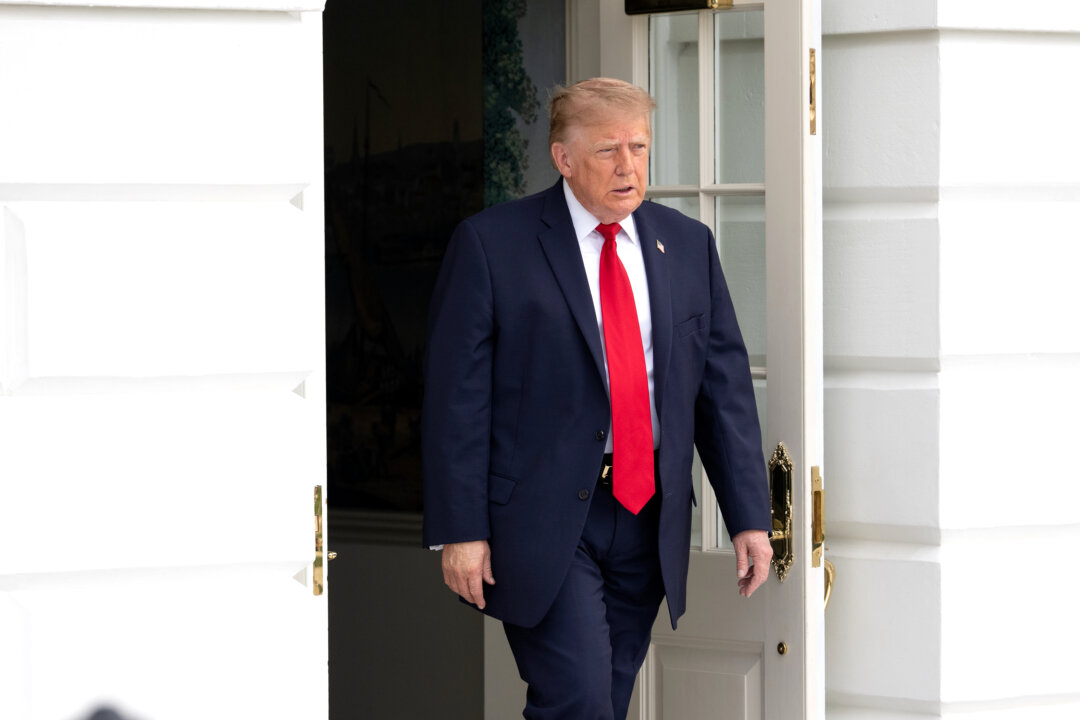
U.S. President Donald Trump walks on the South Lawn of the White House in Washington on Sept. 26, 2026. Aaron Schwartz/Getty Images
U.S. President Donald Trump on Sept. 26 said he has rejected Iran’s latest proposal for an end to the conflict.
“I rejected their deal,” he told reporters at the White House.
The Iranians made the proposal on the sidelines of the U.N. General Assembly meeting in New York earlier in the week through Qatari mediators.
“They want to make a deal where they open the Strait immediately because they’re losing so badly,” Trump said. “Massive amounts of oil are coming out of the Hormuz Strait. Last night, we had 29 ships come out.”
Both sides want to end hostilities, and reopen the Strait of Hormuz, but are at loggerheads over how to handle Iran’s nuclear stockpile.
“They want to make a deal and I think that’s fine. I like making a deal too,” Trump said.
After Trump’s rejection, Iran said that only diplomacy can solve its conflict with the United States and Israel.
“Our conditions are clear, and any move toward reopening the Strait of Hormuz is contingent on these conditions being met,” Iranian Foreign Minister Abbas Araghchi posted on social media. “Only a negotiated solution can get them out of this deadlock.”
Both sides had agreed as such in a June 17 memorandum of understanding, outlining a 60-day period to negotiate the final details for peace.
The United States agreed to end its naval blockade, while Iran agreed to ensure the safe passage of vessels navigating the Strait of Hormuz. Iran also agreed not to develop or procure a nuclear weapon in exchange for the end of U.S. sanctions. However, there was no agreement reached on the details of how to handle Iran’s existing nuclear stockpile.
That memorandum of understanding expired in mid-August. Talks have stalled since over what will happen to Iran’s existing stockpile of highly enriched uranium.
The United States is asking for the complete destruction or disposal of the enriched stockpile. Iran maintains it has a right to develop nuclear technology for peaceful purposes under the nuclear Non-Proliferation Treaty. U.N. inspectors have long said they have been denied access by Tehran to its nuclear facilities.
Iranian President Masoud Pezeshkian said Sept. 24 that Tehran is willing to dilute its stockpile of uranium, which it says is enriched to 60 percent—a level of purity that is a technical step away from reaching the 90 percent threshold required to produce a nuclear weapon. In an interview with Fox News’ “Special Report with Bret Baier,” he again denied that Tehran seeks a nuclear weapon.
That was still across the red line for the United States. In his speech to the United Nations on Sept. 22, Trump said that he expects a deal to be reached with Iran shortly after the upcoming midterm election.
He said it was a big decision that would determine if the regime in Tehran would be allowed to rebuild Iran, or be annihilated with “no chance of survival.”