By The Rio Times | Created at 2026-10-07 10:32:07 | Updated at 2026-10-07 12:06:57
1 hour ago
By The Rio Times | Created at 2026-10-07 10:32:07 | Updated at 2026-10-07 12:06:57
1 hour ago
UKRAINE · ANALYSIS
Key Facts
- —What is happening The European Commission proposed on October 6, 2026 that Ukraine face special accession terms limiting its farm exports and EU subsidy access after joining the bloc.
- —Why it matters The proposal would protect Polish and French farmers from Ukrainian grain competition while redirecting Ukrainian exports toward North Africa, the Middle East and Asia.
- —The numbers No product list, quota volume, subsidy ceiling or expiry date had been published as of October 7, 2026.
- —Who is who The European Commission proposed the limits; Ukraine’s Agrarian Policy Minister Taras Vysotskyi said Kyiv cannot accept permanent restrictions.
- —What it means for you US grain traders and investors should watch whether redirected Ukrainian exports pressure prices in Mediterranean and Middle Eastern markets where American wheat and corn compete.
Ukraine EU agriculture limits proposed by Brussels on October 6, 2026 would cap Ukrainian farm exports and subsidies after accession, protecting Polish and French producers. For US readers, the plan could reshape global grain flows and create openings for Brazilian and Argentine suppliers in European and third-country markets.
Ukraine is one of the world’s largest grain exporters, and its bid to join the European Union has collided with the bloc’s most politically sensitive sector. This analysis explains what the Commission proposed, who gains, and how the decision could ripple through world grain trade, including Latin America. The development was first flagged in the Europe Intelligence Brief.
What Brussels Actually Proposed
The European Commission’s October 6, 2026 paper does not impose immediate restrictions on Ukrainian grain shipments. Instead, it seeks special accession terms under which selected Ukrainian farm products could face lasting or transitional limits on EU market access.
The European Commission said Ukraine’s agricultural sector has a “unique” scale, structure and productivity. The Commission therefore proposed “special arrangements” that would significantly limit market access for some sensitive products and reduce access to the Common Agricultural Policy, the EU’s farm subsidy system.
The paper did not specify which products would be covered, what quota volumes might apply, how much CAP support Ukraine would receive, or how long any transition would last. Euronews reported that wheat and other grains were being considered as principal targets, but the Commission’s published language remained broader than grain alone.
The proposal is intended to become part of the EU’s negotiating position on Ukraine’s accession, not a new emergency ban on imports today. It would have to be negotiated with Kyiv and ultimately incorporated into the accession settlement under Article 49 of the Treaty on European Union, which requires unanimous Council approval, European Parliament consent, and ratification by every member state.

Follow this story
Get an email when there’s news on Ukraine
Free. One email a day at most, and only when there is news. This also signs you up to our weekday newsletter, The LatAm Brief. Nothing arrives until you click the confirmation link, and you can stop either with one click. Privacy policy.
How Ukrainian Exports Could Be Limited
Several mechanisms are possible, although none had been formally quantified by October 7, 2026. The most likely options include transitional quotas, safeguard clauses, product-specific exclusions, a slower CAP phase-in, and export redirection.
Transitional quotas would impose annual tariff-free limits for wheat, corn, poultry, sugar or other sensitive goods after accession. Exports above those thresholds might face tariffs or other restrictions. This is the model Kyiv appears most willing to consider.
Safeguard clauses would allow the EU to reimpose restrictions if Ukrainian imports caused serious disruption in particular member states. Product-specific exclusions could remove selected Ukrainian goods from the full single-market regime even after membership. A slower CAP phase-in would grant Ukraine access to farm subsidies gradually rather than immediately.
Brussels could also pair restricted EU access with diplomatic and financial support for Ukrainian sales to Egypt, Turkey, North Africa and the Middle East. The practical difficulty is that shipping, insurance, port access and financing remain more expensive and vulnerable for Ukrainian exporters than for producers operating inside the EU single market.
Why Ukraine’s Farm Sector Is So Sensitive
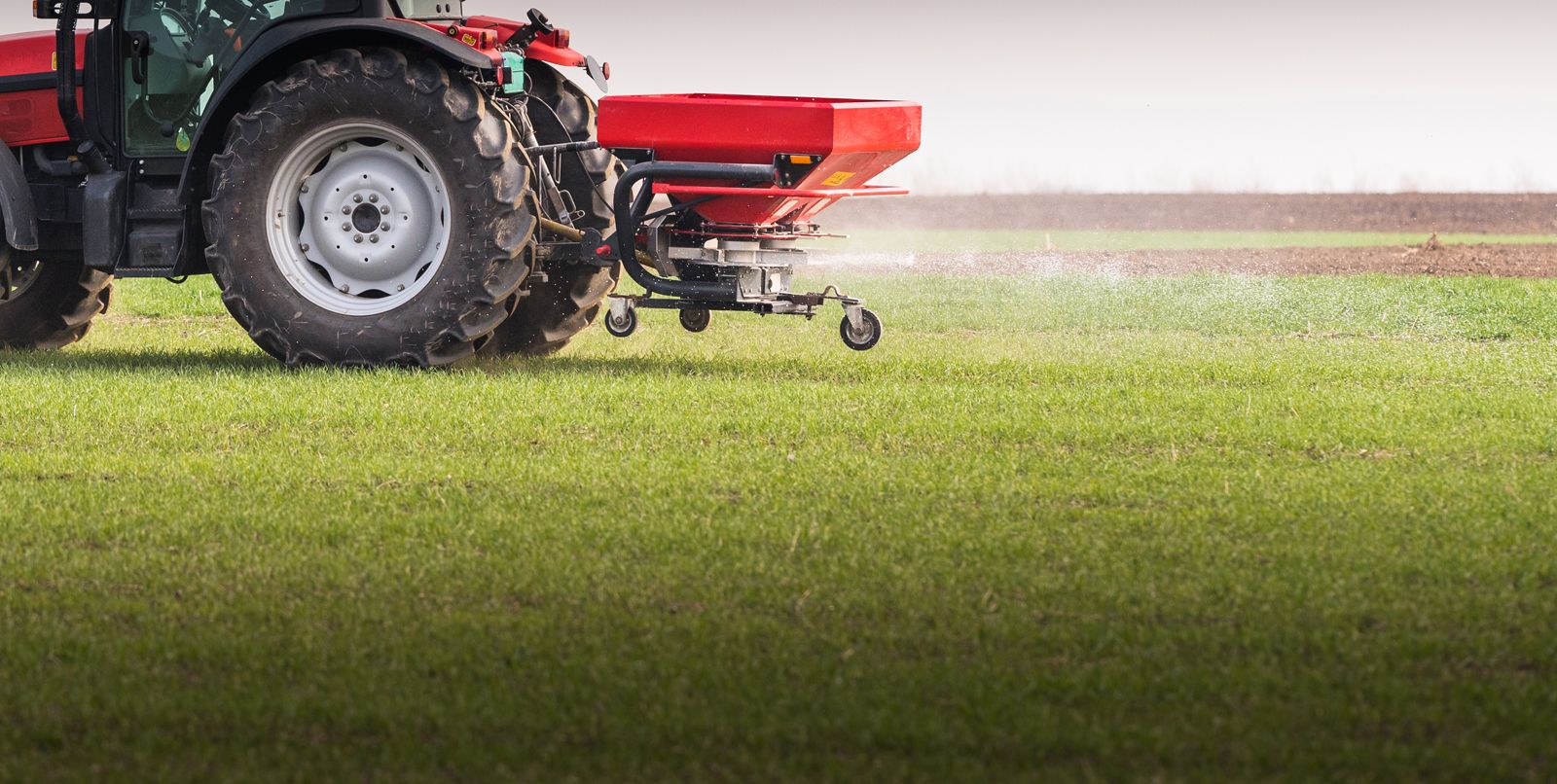
Ukraine is not simply another candidate country with a modest agricultural sector. Its comparative advantage rests on large areas of highly productive arable land, industrial-scale farms and grain traders, and major exports of wheat, corn, barley, sunflower seed and vegetable oil.
The Commission described the sector’s size and productivity as unusually challenging for the EU. Even if Ukrainian farmers initially received reduced subsidies, unrestricted access to the single market could allow large volumes of grain and processed agricultural products to enter neighbouring EU countries.
For Ukraine, agricultural exports are a source of foreign currency, rural employment and state revenue. Limiting access to its nearest major market could reduce farm-gate prices and weaken investment in storage, logistics and processing. Agriculture Minister Taras Vysotskyi said Kyiv cannot accept permanent restrictions on sales of Ukrainian food products to the EU, though it is prepared to discuss temporary quotas, safeguards and a phased introduction of agricultural support, provided each measure has a clear end date.
Polish and French Pressure
Poland is the most immediate pressure point because it shares a border with Ukraine and has experienced the sharpest political backlash against Ukrainian agricultural imports. Polish farmers have argued that Ukrainian grain and other products depress local prices, fill storage capacity and compete with production subject to different regulatory and cost conditions.
In 2023, the European Commission adopted temporary exceptional preventive measures restricting imports of four Ukrainian agricultural products—wheat, maize, rapeseed and sunflower seed—into Bulgaria, Hungary, Poland, Romania and Slovakia, although those measures later lapsed. That precedent demonstrated that agricultural pressure can override the EU’s broader political objective of supporting Ukraine.
France’s concerns are broader and more strategic. French farmers have repeatedly opposed trade arrangements that could increase competition from lower-cost agricultural exporters. Paris also has strong incentives to defend the CAP and prevent Ukraine’s enormous farm sector from receiving full access to EU support immediately after accession.
The Commission’s proposal appears designed partly to reassure these two constituencies. A permanent restriction would satisfy farmer groups more effectively, but it would undermine Ukraine’s claim that membership provides equal access to the single market.
Who Gains and Who Loses
Polish and French farmers would gain the most directly. Restrictions could support local wheat, corn, poultry, sugar and oilseed prices by limiting competing Ukrainian supplies. EU farm budgets could also benefit from a slower CAP phase-in, reducing the immediate cost of extending direct payments to Ukrainian agriculture.
Non-EU grain importers could benefit if Ukrainian exports are redirected at competitive prices toward North Africa, the Middle East and Asia. Egypt, Turkey and other major buyers could receive more bargaining power if Ukraine remains dependent on overseas outlets.
Ukrainian farmers and exporters would lose access to the closest high-value market or face lower prices and greater logistics costs. European food processors and livestock producers could lose access to relatively competitive Ukrainian feed grains and vegetable oils. Consumers could face somewhat higher prices if restrictions reduce low-cost agricultural supplies.
Brazil, Argentina and the Mercosur Angle
The proposed Ukrainian limits matter for Brazil and Argentina because they would shape competition in overlapping grain and oilseed markets. Brazil is a major global exporter of soybeans and corn. Argentina is especially important in soymeal, soybean oil, wheat and corn.
If Ukrainian products face tighter access to Europe, Latin American suppliers could gain market share in destinations where Ukrainian exporters retreat. The effect would not be automatic: Ukrainian wheat and corn are most competitive in nearby European, Mediterranean, Middle Eastern and North African markets, while Brazil’s strongest advantages are in soybeans and corn and Argentina’s in processed soy products and grains.
The EU-Mercosur agreement adds another layer. The EU and Argentina, Brazil, Paraguay and Uruguay signed the Partnership Agreement and Interim Trade Agreement on January 17, 2026; the interim agreement began provisional application on May 1, 2026.
For Brazil and Argentina, the deal could improve predictability and reduce trade barriers, but it also exposes their exporters to European safeguards and politically sensitive quotas. If Brussels limits Ukrainian farm access while expanding structured access for Mercosur suppliers, Latin American exporters could become relatively more attractive to European buyers.
Implications for World Grain Trade
The immediate market effect should be limited because the Commission’s proposal does not impose new restrictions on Ukrainian shipments before accession and does not yet establish quotas. The larger impact would emerge if restrictions become permanent or cover substantial volumes.
Possible effects include more Ukrainian grain outside Europe, greater competition among exporters in third markets, lower prices in alternative destinations, higher prices in protected EU markets, more volatile freight flows, and a precedent for political trade management.
The global price effect will depend heavily on the quota volume and product coverage. A narrow quota for wheat would have a smaller impact than restrictions covering wheat, corn, poultry, sugar, sunflower products and other high-volume exports. Weather and harvest size may matter more than the policy itself in individual years.
What It Means for You
For US investors and executives, the proposal creates a new political risk premium around Ukrainian agriculture. Watch whether the EU names wheat, corn, poultry, sugar, oilseeds or a wider list of products; whether quotas are temporary, renewable or indefinite; whether restrictions apply only to market access or also to CAP payments; and whether Ukraine receives a binding end date for the transition.
For Ukrainian producers, storage, rail, port and processing assets could become more valuable if export routes diversify. For European farmers, restrictions could support prices but may provoke higher feed and food costs. For Brazil and Argentina, the opportunity lies in gaining market share, particularly where Mercosur preferences improve access; the risk is that Europe may respond with additional safeguards against all major agricultural suppliers.
The most important conclusion is that Brussels is not rejecting Ukrainian membership. It is attempting to separate political accession from immediate agricultural equality. Ukraine may enter the EU while remaining, for years, a partial participant in the bloc’s farm market and subsidy system.
What Is Not Known
As of October 7, 2026, the Commission has not specified which products would be covered, what quota volumes might apply, how much CAP support Ukraine would receive, or how long any transition would last. The paper’s published language remained broader than grain alone, leaving open whether poultry, sugar, eggs, honey or oilseeds could also attract scrutiny.
It also does not provide a verified official Ukrainian agricultural-export total, EU import value, or exchange-rate figure for October 2026.
What to Watch
EU leaders are expected to discuss the proposed agricultural safeguards and broader enlargement approach at an October 2026 summit.
No final timetable or quota amounts were published as of October 7, 2026.
Investors should monitor whether the EU names specific products, whether quotas carry expiry dates, and whether Mercosur implementation expands European access for Brazilian and Argentine agricultural exporters. The precise quotas, safeguards and expiry dates eventually negotiated will determine whether this compromise stabilises Europe or leaves Ukraine with second-class membership.
Frequently Asked Questions
What did the EU propose for Ukraine’s agriculture?
The European Commission proposed on October 6, 2026 that Ukraine face special accession terms limiting its farm exports and EU subsidy access after joining the bloc. The proposal does not impose immediate restrictions on Ukrainian grain shipments.
Which products could face EU limits?
The Commission did not specify which products would be covered as of October 7, 2026. Euronews reported that wheat and other grains were being considered as principal targets, but poultry, sugar, eggs, honey and oilseeds could also attract scrutiny.
Who gains from the proposed Ukraine farm limits?
Polish and French farmers would gain the most directly through supported local prices. Non-EU grain importers in North Africa and the Middle East could also benefit if Ukrainian exports are redirected at competitive prices.
How would Brazil and Argentina be affected?
Brazil and Argentina could gain market share in destinations where Ukrainian exporters retreat. The EU-Mercosur agreement, which began provisional application on May 1, 2026, could strengthen the negotiating position of South American exporters.
When will the EU decide on Ukraine farm limits?
EU leaders are expected to discuss the proposal at an October 2026 summit.
Is the EU rejecting Ukrainian membership?
No. Brussels is attempting to separate political accession from immediate agricultural equality. Ukraine may enter the EU while remaining, for years, a partial participant in the bloc’s farm market and subsidy system.