By The Rio Times | Created at 2026-10-05 05:31:50 | Updated at 2026-10-05 06:24:16
1 hour ago
By The Rio Times | Created at 2026-10-05 05:31:50 | Updated at 2026-10-05 06:24:16
1 hour ago
URUGUAY · ECONOMIC POWER
Key Facts
- —What it is A mixed economy where state utilities, foreign banks and multinational pulp producers share control with a small number of Uruguayan business families.
- —Why it matters The state controls electricity, water, telecoms, ports and the largest bank, while foreign groups dominate pulp, private banking and digital payments.
- —The numbers Pulp was Uruguay’s second-largest goods export in 2025 at approximately US$2.31 billion, according to reported figures.
- —Who is who
- —The catch Uruguay’s relatively strong peso has created competitiveness concerns for exporters, a tension the Central Bank manages as of 2026.
- —What it means for you Foreigners can bank, invest and do business in Uruguay, but must understand that the state remains a major economic actor in daily life.
The Uruguay economy is not run by a single tycoon or corporation. It is a carefully balanced system where the state owns the utilities and the largest bank, while foreign multinationals dominate pulp, private banking and digital payments.
Uruguay is a small South American country of 3.4 million people, but its economy punches above its weight in agriculture, forestry, logistics and financial services. This guide explains who actually controls the levers of the Uruguay economy in 2026, from the presidential palace to the boardrooms of Finnish pulp companies.
One-stop reference
Company Intelligence
Every listed company in Latin America — financials, ownership and structure for 1,450+ companies across 26 exchanges, in one place.
The Political Command Centre
The Uruguay economy is steered from Montevideo by a small group of elected officials and technocrats. President Yamandú Ramón Orsi Martínez, of the centre-left Frente Amplio coalition, has held office since 1 March 2025. His administration sets the strategic direction for public enterprises, energy policy, infrastructure, taxation, labour rules and investment promotion.
The day-to-day management of fiscal policy falls to Gabriel Oddone París, minister of Economy and Finance since 1 March 2025. Oddone oversees the national budget, taxation, public debt and coordination with the financial sector. His deputy is Martín Vallcorba Urrutia, and the ministry’s senior team includes Director of Economic Policy Bibiana Eloísa Lanzilotta Mernies, Director of Public Finance Juan Benítez Parga, and head of the Debt Management Unit Herman Kamil, according to the ministry’s official authorities page as of October 2026.
Monetary policy belongs to the Banco Central del Uruguay, the central bank, led by Guillermo Tolosa since 24 March 2025. The BCU controls banking regulation, payment systems, foreign-exchange oversight and financial stability.
Other ministries shape the economy too. The Ministry of Industry, Energy and Mining, led by Fernanda Cardona since 1 March 2025, oversees energy, mining and industrial policy, including the state fuel company ANCAP. The Ministry of Livestock, Agriculture and Fisheries regulates the country’s core export industries. Uruguay XXI, the official investment and export-promotion agency, works to attract foreign capital and promote Uruguayan products abroad.
State-Owned Companies That Control Infrastructure
Uruguay’s public enterprises are legally owned by society through the state. They are central to infrastructure, employment and national investment, and they give the government direct influence over the cost of doing business.
UTE: Electricity for Everything
UTE, the Administración Nacional de Usinas y Trasmisiones Eléctricas, controls electricity generation, transmission and distribution. The Ministry of Industry describes UTE as central to the expansion and consolidation of the national electricity system. Its investment decisions shape Uruguay’s renewable-energy system, grid capacity and the country’s ability to attract energy-intensive industries such as data centres.
ANCAP: Fuel, Refining and Offshore Ambitions
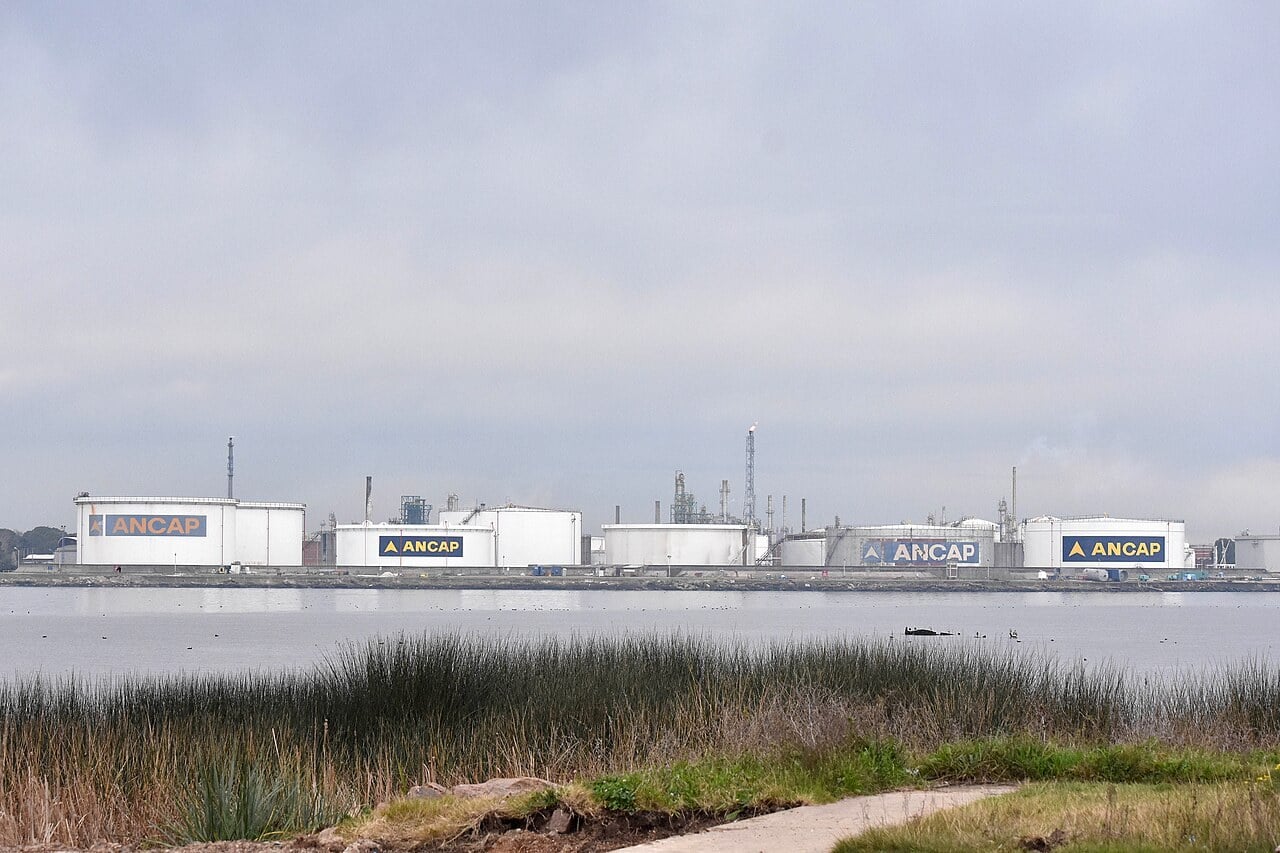
ANCAP, the Administración Nacional de Combustibles, Alcohol y Portland, is the state energy and fuels company. It handles fuel imports, refining, distribution and cement. In 2026, ANCAP also sits at the centre of Uruguay’s offshore exploration strategy. Exploration work involving Chevron in the OFF-6 block was expected to begin during the year, including seismic activity and preparations for a deepwater exploration well. ANCAP’s president was identified in the available official public-sector directory as Alejandro Stipanicic, with Diego Martín Durand Arrambide as vice president. Public-company boards can change through government appointments, so these names should be checked against ANCAP’s latest official board notice.
ANTEL: The Digital Backbone
ANTEL, the Administración Nacional de Telecomunicaciones, is Uruguay’s state-owned telecommunications company. It controls a major share of fixed-line, mobile, broadband and data infrastructure. The government describes ANTEL as developing digital services for industry, agriculture and logistics, including solutions intended to add value to production chains. ANTEL is strategically important for broadband connectivity, government digital services, data centres and Uruguay’s positioning as a regional digital-services hub.
OSE, ANP and AFE: Water, Ports and Rail
OSE, Obras Sanitarias del Estado, controls public drinking-water and sewerage services. It is a state monopoly in an essential sector, particularly important for industrial users and agriculture. The ANP, Administración Nacional de Puertos, controls Uruguay’s public-port system. The Port of Montevideo is central to the country’s role as a logistics platform for Paraguay, southern Brazil and the wider Río de la Plata region. AFE, the Administración de Ferrocarriles del Estado, is the state railway entity. Its role has become more significant because the forestry and pulp industries require reliable inland logistics to move timber and pulp toward export terminals.
The State-Owned Financial Institutions
The state does not just run utilities. It also operates the country’s largest bank and important insurance and mortgage institutions.
BROU, the Banco de la República Oriental del Uruguay, is Uruguay’s largest and most politically important public bank. It provides retail, corporate and agricultural finance and acts as a major channel for state-directed credit. BROU is especially important for farmers, small and medium-sized enterprises, public-sector entities, deposits and payments, and rural banking. The public directory available in the search results listed Salvador Ferrer as president and Alejandro Lafluf as vice president, with Max Sapolinski, Pablo Sitjar and Leandro Francolino as directors. Those names require final verification against BROU’s current official authorities page because the directory result was last updated in 2025.
The Banco de Seguros del Estado, or BSE, is the state insurance company, an important participant in worker-accident insurance and agricultural insurance. The Banco Hipotecario del Uruguay, or BHU, is the state mortgage bank, still relevant to housing finance and government housing policy.
Private Banks: Foreign Groups Dominate Credit
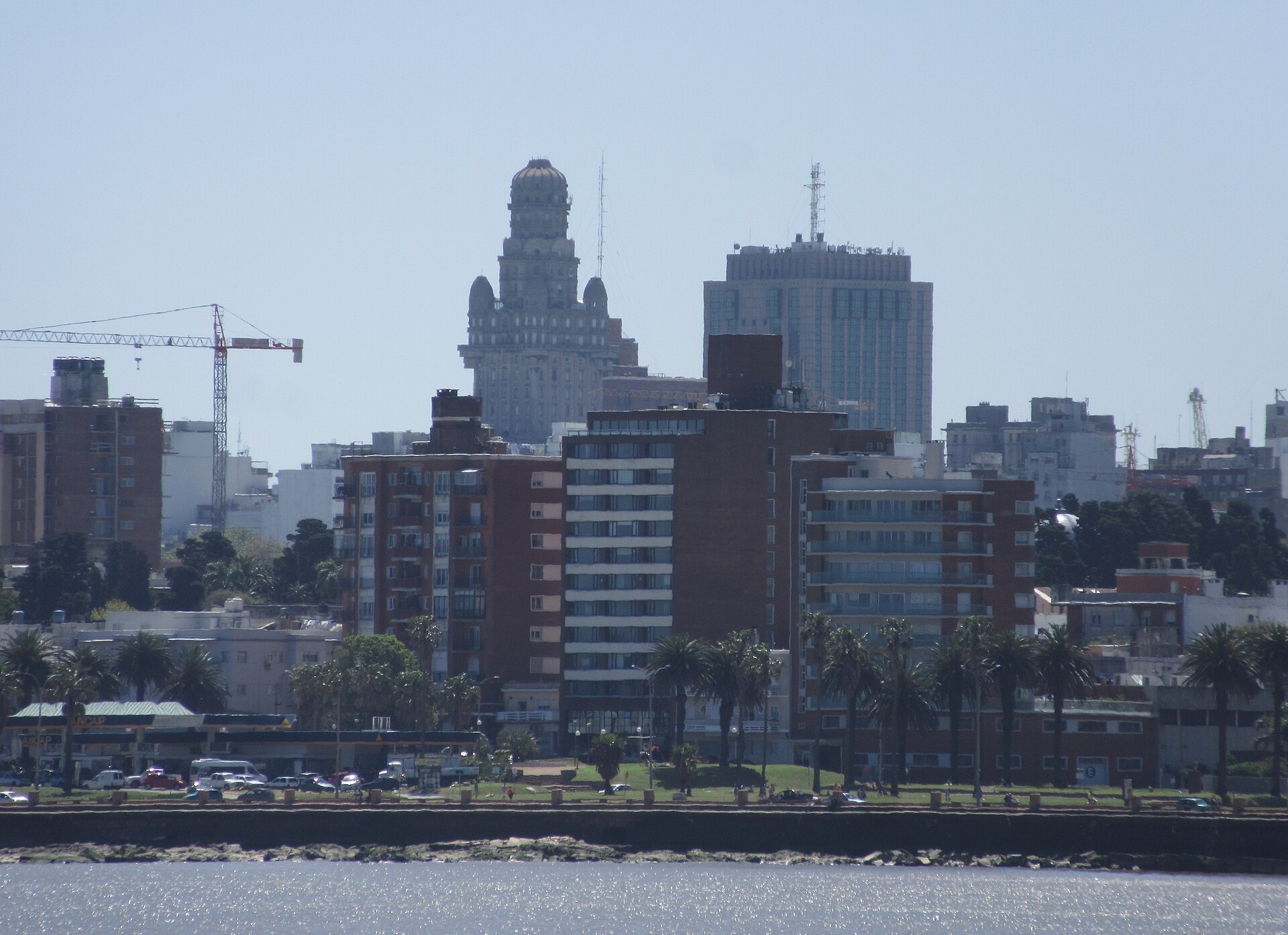
Uruguay’s private banking system is concentrated among a mixture of foreign-owned institutions and large regional banking groups. The largest private banks are not generally controlled by Uruguayan families. They are subsidiaries of Spanish, Brazilian and Canadian banking groups, while BROU provides the principal domestic public counterweight.
| Santander Uruguay | Spanish Santander group | Retail, corporate, payments, consumer credit |
| BBVA Uruguay | Spanish BBVA group | Corporate, retail, wealth banking |
| Itaú Uruguay | Brazilian Itaú Unibanco group | Corporate, institutional, affluent, retail |
| Scotiabank Uruguay | Canadian Scotiabank group | Retail, corporate, consumer finance |
| HSBC Uruguay | HSBC group, subject to local corporate changes | Corporate and international banking |
| Banco Heritage | Private Uruguayan banking group | Wealth management, private banking |
| BROU | Uruguayan state | Public and agricultural banking |
In 2026, the banking sector’s most important structural issues include peso interest rates, dollar lending, corporate credit, agricultural exposure, payment-system competition and digital banking. The Central Bank’s regulatory role means its decisions influence credit conditions throughout the economy.
The Largest Corporate Actors
Beyond the state and the banks, a small number of foreign multinationals and regional technology companies shape the Uruguay economy’s export profile and digital landscape.
UPM: The Finnish Pulp Giant
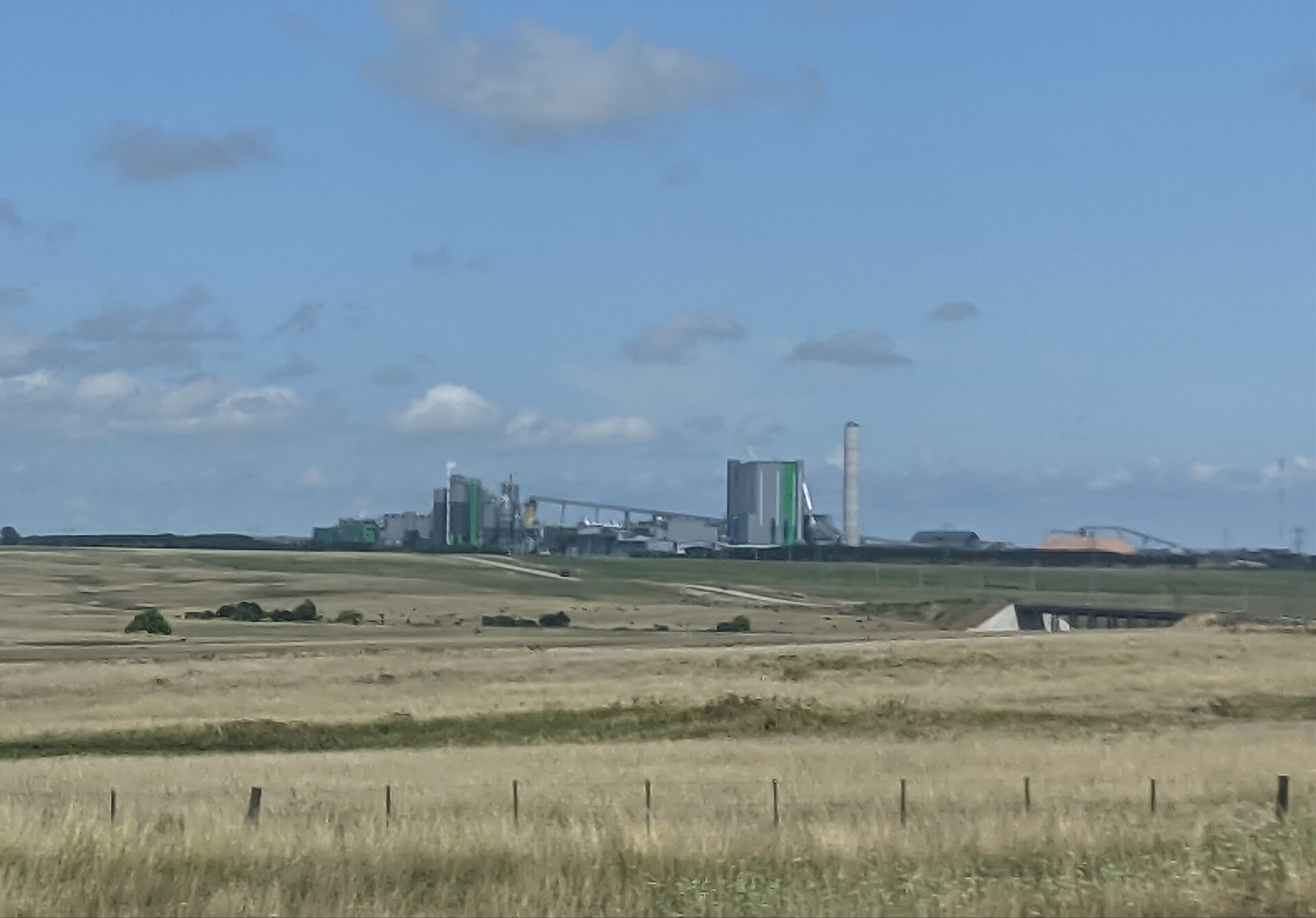
Finland’s UPM is one of the most powerful foreign corporate actors in Uruguay. Its Fray Bentos and Paso de los Toros operations have made pulp one of the country’s largest export industries. UPM’s influence includes forestry plantations, pulp production, rail and road logistics, port infrastructure, energy generation from biomass, and large-scale regional employment and supplier networks. Pulp was Uruguay’s second-largest goods-export category in 2025 at approximately US$2.31 billionUPM is not a listed Uruguayan company; it is a foreign multinational whose strategic decisions are made outside Uruguay.
Montes del Plata: The Other Pulp Power
Montes del Plata is a major pulp producer operating in Uruguay. It is associated with Arauco, the Chilean forestry group, and Stora Enso, the Finnish-Swedish forestry company. Together with UPM, Montes del Plata means that a small number of foreign forestry groups control a large share of Uruguay’s pulp production, plantations and logistics chains.
Mercado Libre and dLocal: The Digital Challengers
Argentina-based MercadoLibre, listed on Nasdaq, is a major technology and payments actor in Uruguay. Its marketplace, logistics and Mercado Pago services affect e-commerce and digital payments. It is not an Uruguayan-controlled company, but its regional scale makes it an important competitor to banks and traditional payment providers. Uruguay-founded dLocal, also listed on Nasdaq, is one of the country’s most internationally visible technology companies. It provides cross-border payment infrastructure for global companies operating in emerging markets.
Food and Beverage Multinationals
International food companies, including Arcor and PepsiCo, have a significant presence in Uruguay’s processed-food sector. They operate within a wider market that includes domestic dairy, beverage, meat and food-processing companies. The Coca-Cola system operates through local bottling and distribution arrangements, commercially important but fragmented across brands, bottlers and distributors rather than controlled by a single listed Uruguayan company.
The Current State in 2026 and Open Questions
The Uruguay economy entered 2026 with moderate growth, low inflation and a stable institutional framework. The National Institute of Statistics reported 12-month CPI inflation of 4.55% in August 2026, within the Central Bank’s target range. Unemployment stood at 7.1% for June–August 2026, with a labour-force participation rate of 64.0% and an employment rate of 59.5%, according to the INE household employment survey published on 1 October 2026.
The Central Bank’s policy challenge in 2026 has been balancing low inflation against concerns about Uruguay’s relatively strong peso and the competitiveness of exporters. The average wage index rose 5.71% year-on-year in July 2026, while the housing construction-cost index rose 4.94% in August 2026, according to the INE.
The Orsi administration is implementing its first full budget and working to preserve Uruguay’s reputation for institutional stability while addressing competitiveness, the exchange rate and moderate growth. The government’s economic team, led by Oddone and Tolosa, faces the task of keeping inflation low without letting the peso become so strong that exporters suffer.
Open questions for the rest of 2026 and beyond include whether offshore oil exploration with Chevron yields commercial discoveries, how the pulp sector’s expansion affects logistics and land use, and whether the digital payments sector continues to erode traditional banking margins.
What This Means for Foreigners, Investors and Expats
For a foreigner considering Uruguay, the structure of the Uruguay economy has practical consequences. You will deal with state companies for electricity, water, internet and possibly banking. You will find familiar foreign banks such as Santander, BBVA, Itaú and Scotiabank. You will encounter Finnish and Chilean pulp companies if you do business in forestry, logistics or regional exports.
Uruguay’s institutional stability is a genuine asset. The country has a long tradition of respecting contracts, maintaining an independent central bank and avoiding the extreme political swings that affect some neighbours. The presence of major foreign banks and multinationals reflects that confidence.
However, Uruguay is not a low-cost country. The relatively strong peso, high wages in dollar terms and state-dominated utilities mean that operating costs can be higher than in other Latin American markets. Foreigners who succeed in Uruguay typically focus on value-added sectors such as technology, financial services, specialised agriculture or logistics, rather than competing on price alone.
What to Watch
Several dated events and trends will shape the Uruguay economy in the coming months. The Central Bank’s official publication calendar lists the monetary balance on 8 October 2026, minutes of the October 2026 Monetary Policy Committee meeting on 9 October 2026, the Monetary Policy Report for the second quarter of 2026 on 13 October 2026, and the October 2026 inflation-expectations survey on 14 October 2026.
Beyond those dates, watch for any announcements from ANCAP about offshore exploration results, any changes to the Central Bank’s policy rate, and any signals from the Orsi administration about tax or labour reforms. The pulp sector’s export performance and the evolution of the peso will also be key indicators of where the Uruguay economy is heading.
Related reading: Uruguay Neighbours Explained, the Southern Cone in 2026; Uruguay Explained: The Country, Its Stability, Its Economy and What to Watch; Cost of Living Punta del Este 2026: Half Again Above Montevideo; more from Uruguay.
Frequently Asked Questions
Who is the president of Uruguay in 2026?
Yamandú Ramón Orsi Martínez leads the Frente Amplio coalition. His constitutional term runs from 2025 to 2030.
Who is Uruguay’s economy minister in 2026?
Gabriel Oddone París is minister of Economy and Finance. He oversees fiscal policy, the national budget, taxation and public debt.
Who controls Uruguay’s central bank?
Guillermo Tolosa is president of the Banco Central del Uruguay. The central bank controls monetary policy, banking regulation and financial stability.
What are Uruguay’s biggest exports?
Pulp was Uruguay’s second-largest goods-export category in 2025 at approximately US$2.31 billion, according to reported figures. Agriculture, meat, dairy and forestry products are also core export industries.
Which foreign companies operate in Uruguay?
Major foreign companies include Finland’s UPM in pulp, Chile’s Arauco and Finland-Sweden’s Stora Enso through Montes del Plata, Spain’s Santander and BBVA in banking, Brazil’s Itaú, Canada’s Scotiabank, and Argentina-based MercadoLibre in e-commerce and payments.
Is Uruguay a good place for foreign investment?
Uruguay offers institutional stability, an independent central bank and a long tradition of respecting contracts. However, operating costs can be higher than in other Latin American markets due to the relatively strong peso and state-dominated utilities.