By The Rio Times | Created at 2026-10-17 14:11:16 | Updated at 2026-10-17 15:03:14
1 hour ago
By The Rio Times | Created at 2026-10-17 14:11:16 | Updated at 2026-10-17 15:03:14
1 hour ago
GUIDES · URUGUAY
Key Facts
- —The country Uruguay is a South American republic of about 3.4 million people in 2025, wedged between Argentina and Brazil. Its capital, Montevideo, hosts the Mercosur secretariat.
- —The economy As of October 2026, the 2026 forecast is US$95.2 billion in output, or US$27,339 per person, the highest of 19 Latin American countries in the IMF table, Guyana aside. Growth is forecast at just 1.3%.
- —Regional seats Uruguay chairs Mercosur, the South American customs union, until December 2026. It also holds the rotating presidency of CELAC, the Latin American and Caribbean forum, for 2026 and 2027.
- —Trade Goods exports reached US$13.49 billion in 2025, a ten-year high, and China took about 26% of them. The United States has applied a 12.5% tariff on many Uruguayan goods since 24 July 2026, with beef and pulp exempt.
- —Who is who President Yamandú Orsi leads a centre-left government of the Broad Front (Frente Amplio) coalition. Mario Lubetkin is foreign minister.
- —Power Index Uruguay ranks 7th of 14 in The Rio Times Latin America Power Index, with 45.9 points (October 2026 edition).
- —What it means for you US investors face a small, open economy with a new US tariff on some exports. US travellers face a Level 2 State Department advisory for crime.
Uruguay is small in people and money, yet it holds a larger place in Latin America’s clubs than its size suggests. This guide sets out its weight, its seats, its disputes and its partners as of October 2026.
The Uruguay continent story is one of a small country with an outsized voice. It has about 3.4 million people, yet it hosts the Mercosur secretariat in Montevideo and chairs both Mercosur and CELAC in 2026.
For US readers, Uruguay matters as a stable democracy that trades with everyone and now faces a new US tariff. The Nasdaq-listed online marketplace MercadoLibre also gives Montevideo as its business address in its US filings.
Figures come from the International Monetary Fund’s October 2026 outlook, the World Bank and Uruguayan ministries, with money in US$. Daily news is in the Rio Times Uruguay section, and our guides to the Southern Cone neighbourhood and to the Uruguayan economy go deeper.
Uruguay’s Weight in Numbers
The World Bank counts about 3.38 million people in Uruguay in 2025, and it is the smallest of the 19 Latin American countries compared here. Its forecast GDP for 2026 is US$95.2 billion, a modest figure beside Brazil and Argentina.
Brazil’s economy is about 28 times larger than Uruguay’s, and Argentina’s is about 8 times larger. The five Mercosur States Parties together produce about US$3.6 trillion in 2026, and Uruguay supplies about 2.6% of it.
Income per person is where Uruguay stands out. At US$27,339 in 2026 it tops the 19 countries, ahead of Costa Rica at US$21,282, Panama at US$20,877 and Chile at US$19,961.
Measured at purchasing power, Uruguay’s US$39,008 per person ranks second among the 19, behind Panama at US$47,129. Only Guyana, which this comparison leaves out, earns more per person in South America.
Growth is the weak spot in Uruguay’s story. The IMF forecasts 1.3% for 2026 and 2.4% for 2027, against 5.0% for Panama and 3.3% for Costa Rica in 2026.
Uruguay lives off trade. Exports of goods and services were 27.1% of GDP in 2025, and goods exports reached US$13.49 billion, the highest level in ten years.
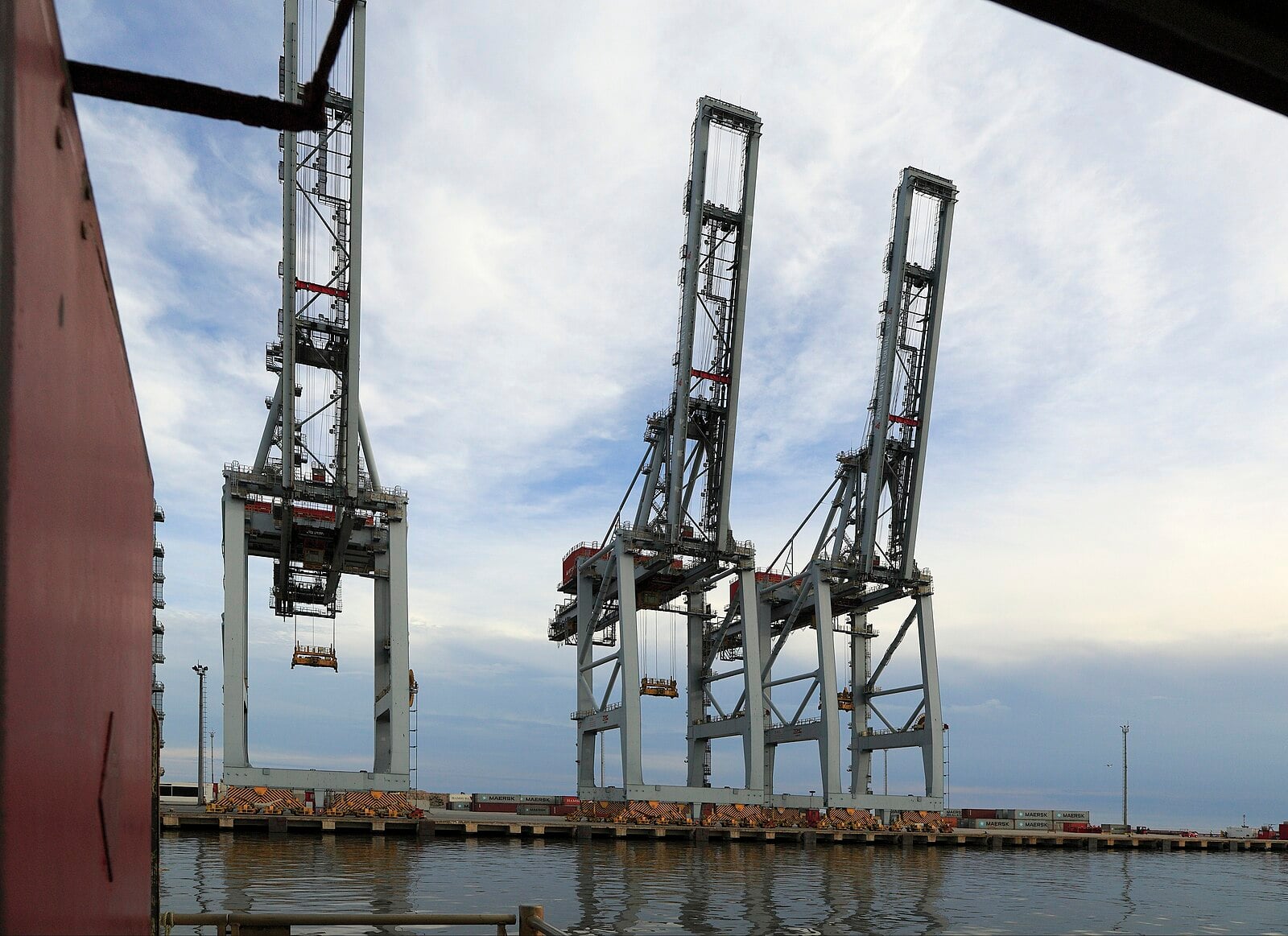
Beef brought in US$2.68 billion in 2025, or 20% of the total, followed by pulp at US$2.31 billion and soybeans at US$1.42 billion. China bought about US$3.49 billion, roughly 26% of all goods exports and the largest single share.
How Uruguay Compares With Its Peers
Uruguay’s strongest case is institutional rather than economic. Freedom House scored it 97 out of 100 for 2026, ahead of Chile at 95, Costa Rica at 91, Argentina at 85 and Brazil at 73.
Transparency International’s 2025 index scored Uruguay 73 and ranked it 17th of 182 countries, down three points from 2024. Chile scored 63, Costa Rica 56, Argentina 36, Brazil 35 and Panama 33.
The World Bank puts Uruguay’s Gini index, where a lower number means more equal incomes, at 40.0 in 2024. That is below Argentina at 42.4, Chile at 43.0, Costa Rica at 45.5 (2025), Panama at 49.7 and Brazil at 50.3.
Chile and Costa Rica are Uruguay’s nearest peers in stability, and our guides to their roles allow a direct comparison. Neither is a full member of Mercosur, the customs union Uruguay helped found in 1991.
Mercosur, the Home Base
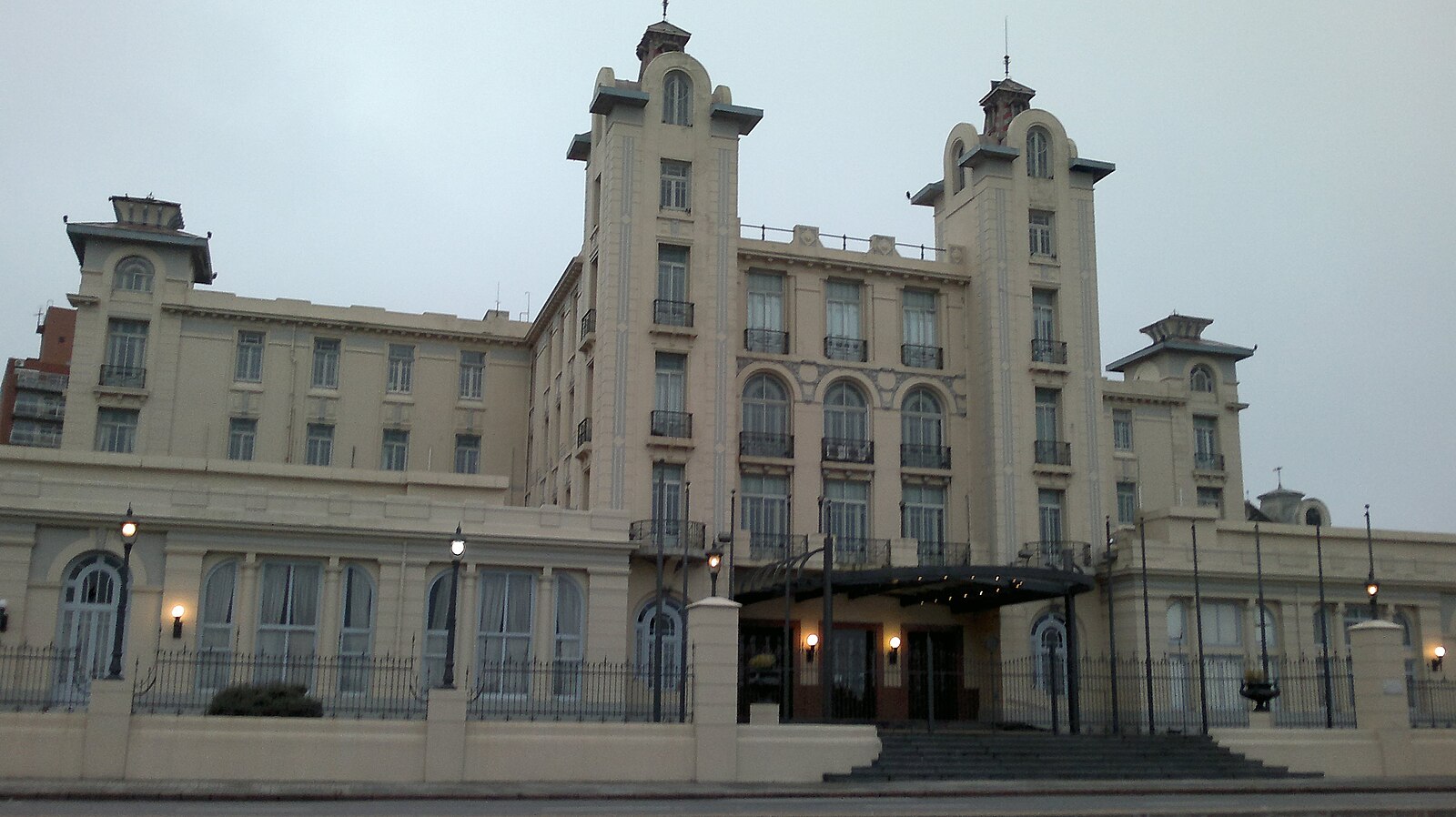
Mercosur is the customs union that Argentina, Brazil, Paraguay and Uruguay founded with the Treaty of Asunción in 1991. The treaty placed its administrative secretariat in Montevideo, where it sits in the Mercosur building.
The 68th Mercosur summit on Tuesday, 30 June 2026, in Luque, Paraguay, listed five States Parties, including Bolivia. Chile, Ecuador, Panama, Colombia and Peru were listed on its agenda as associated states.
At that summit Uruguay took the rotating presidency from Paraguay for six months, until December 2026. President Orsi named implementation of the recently concluded trade agreements as its main priority.
The interim trade agreement with the European Union has applied provisionally since 1 May 2026. The full agreement still awaits the European Parliament, which asked the EU Court of Justice for an opinion in January 2026.
Foreign Minister Lubetkin told Euronews in July 2026 that he did not know whether Parliament would vote in 2027 or 2028. He added that Uruguay plans to host the first EU-Mercosur trade forum in December 2026.
Under former centre-right president Luis Lacalle Pou, a push for a bilateral China deal caused friction with Mercosur partners. In May 2025 Orsi said any such deal should involve the whole region, and EFE reported that Uruguay no longer sought one alone.
Montevideo also hosts ALADI, the Latin American Integration Association, created by the Treaty of Montevideo of 12 August 1980. Its website lists 13 members, from Argentina and Mexico to Cuba and Venezuela.
CELAC and the Wider Region
On Saturday, 21 March 2026, in Bogotá, Colombia’s President Gustavo Petro handed the rotating presidency of CELAC to Orsi. CELAC, the Community of Latin American and Caribbean States, is a political forum with no common market.
Orsi listed food security, the energy transition, disaster-risk management, higher education and productive development as priorities. He also called for joint action against organised crime and for support for stability in Haiti.
Orsi said CELAC would coordinate support for a Latin American or Caribbean candidate for UN Secretary-General. He named no candidate or country.
Uruguay has supplied regional leaders before, such as former foreign minister Luis Almagro. He became secretary general of the Organization of American States on 26 May 2015 and won a second term on 20 March 2020.
Orsi leads a centre-left government but courts leaders of other camps, including Argentina’s Javier Milei, Chile’s José Antonio Kast and Bolivia’s Rodrigo Paz. El Observador wrote on 8 September 2026 that Milei’s government has backed Uruguay’s bid to join the CPTPP.
Argentina and Brazil, the Two Giants Next Door
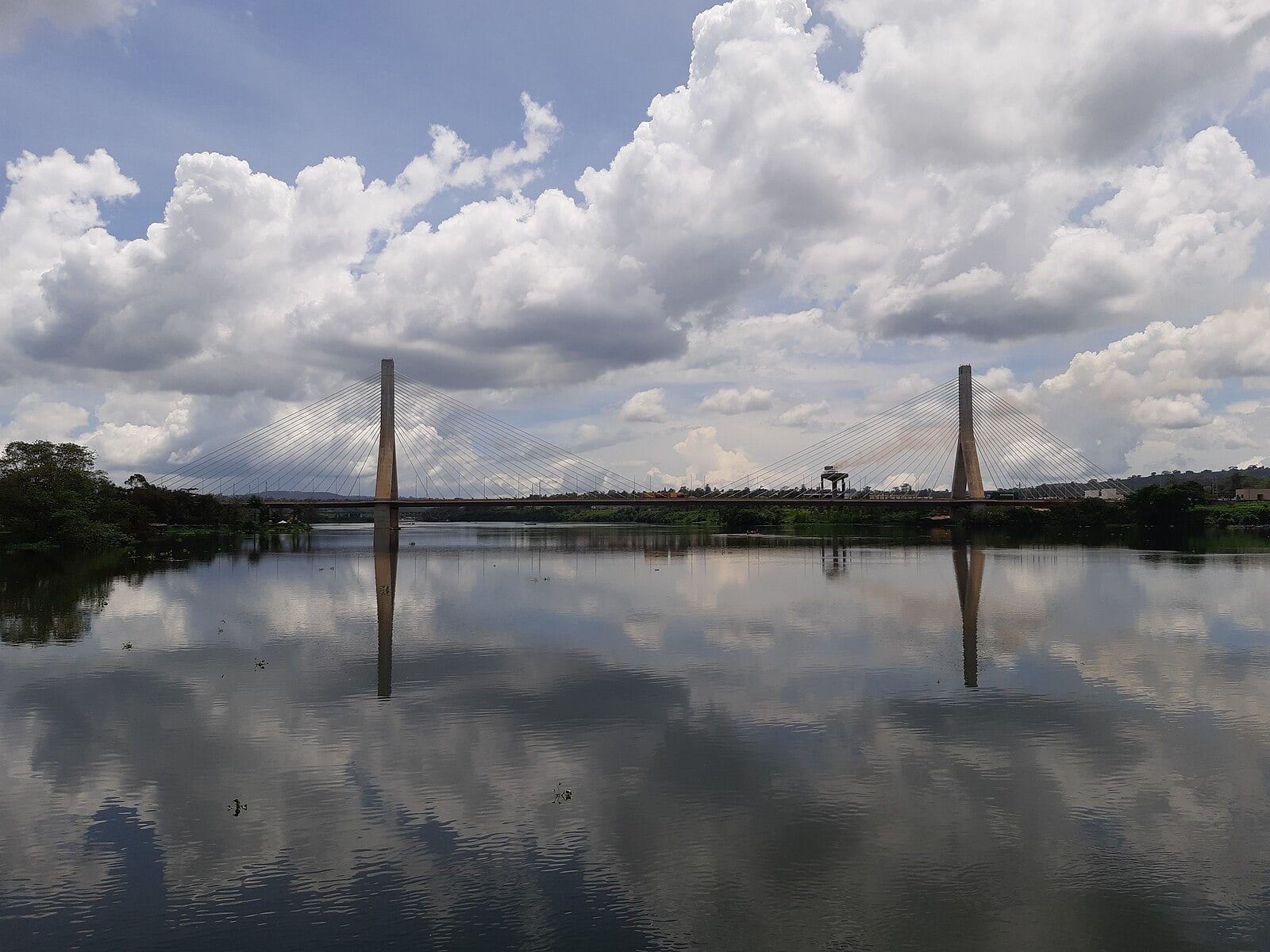
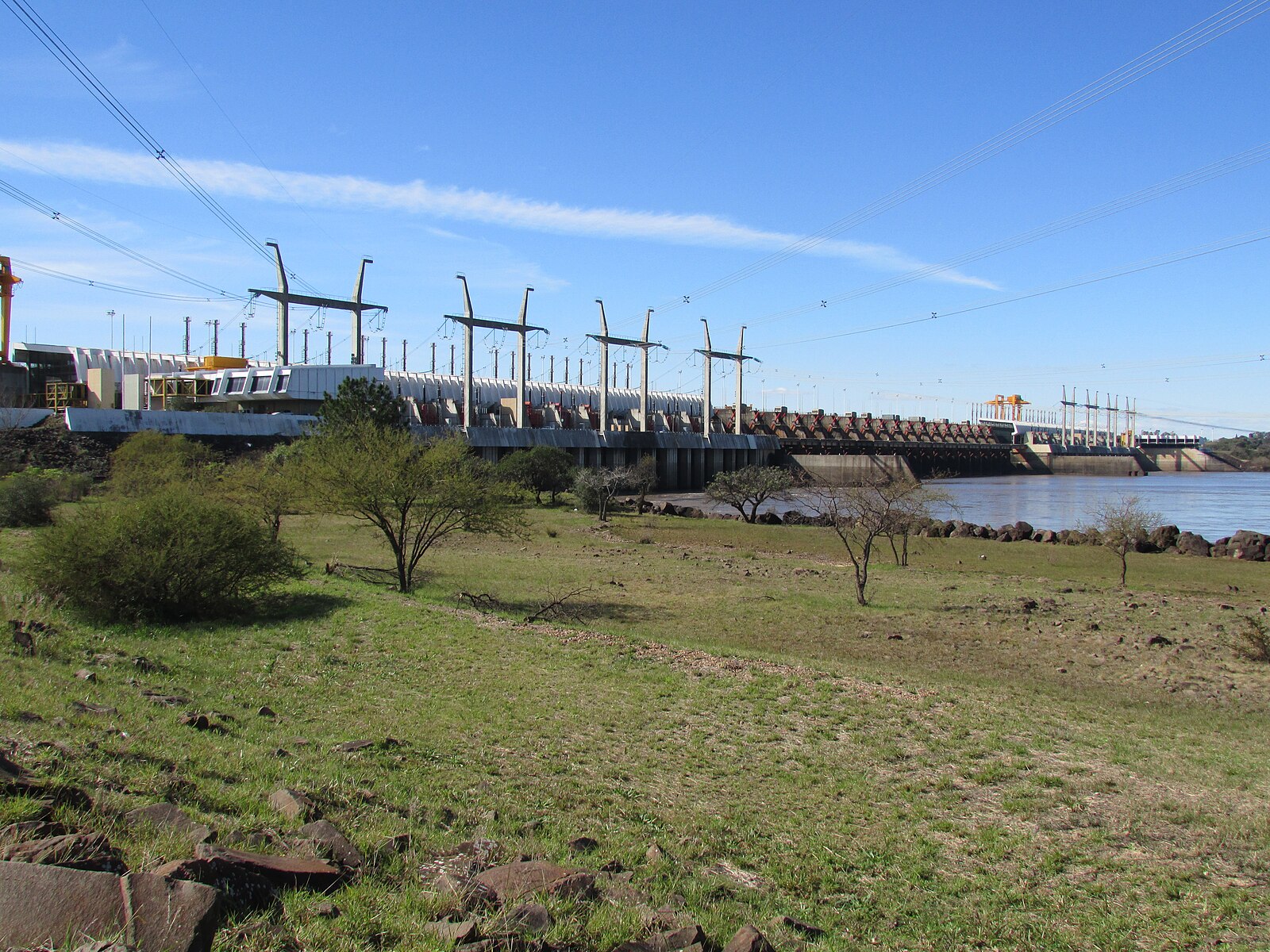
Argentina and Uruguay share the Uruguay River under a 1975 statute and a joint commission known as CARU. The Salto Grande dam, shown below from the Argentine bank, stands on the same river.
Their best-known dispute ended at the International Court of Justice after Argentina filed a case on 4 May 2006 over pulp mills. On 20 April 2010 the court found Uruguay had breached procedural duties but not substantive environmental ones.
A newer row concerns a green-hydrogen and e-fuels plant planned by HIF Global at Paysandú. On 3 September 2026 Lubetkin told Argentine Foreign Minister Pablo Quirno that Uruguay would relocate it after Argentine objections to a site near Colón.
The project is worth about US$5.3 billion, which would make it the largest investment in Uruguay’s history. The new site is a 48-hectare plot owned by the state oil company Ancap.
On Monday, 21 September 2026, Orsi met Brazil’s President Luiz Inácio Lula da Silva in New York during the UN General Assembly’s high-level week. They discussed border cooperation, including a planned binational bridge over the Jaguarão River, but no signed deal or timetable was reported.
Lula thanked Uruguay for letting Brazil use the surplus of its beef export quota to China. Both countries sell beef to China, which makes the favour a notable one.
China, the United States and Europe
China has been Uruguay’s largest trading partner for 14 years, Euronews reported in July 2026. Europe is the largest investor and the United States leads in services, it added.
Lubetkin put it plainly: “We work with China, with the United States and with the European Union.” He said Uruguay is not choosing sides.
Uruguay XXI, the export promotion agency, ranks China first for 2025 goods exports, then Brazil, the European Union and the United States. Sales to the United States grew almost 30% that year, while sales to Brazil fell 15%.
Since Friday, 24 July 2026, the United States has charged Uruguay a 12.5% tariff on many goods, up from 10%. It followed a US inquiry into forced-labour import bans, and the economy ministry says 77.5% of 2025 exports are exempt, including beef and pulp.
Lubetkin said in June 2026 that nobody had explained the reasons to Uruguay, and he noted that exports to the United States kept growing. A meeting between Orsi and President Donald Trump was on the agenda then, with no date set.
Uruguay’s foreign ministry also lists Mercosur trade agreements with Singapore and with EFTA, the European Free Trade Association. Together with the EU deal, they widen the markets Uruguay can reach without leaving the customs union.
The CPTPP Bid and the Pacific
On 21 November 2025, in Melbourne, Uruguay won the no-objection of all CPTPP members, the step that opens accession talks. The CPTPP, or Comprehensive and Progressive Agreement for Trans-Pacific Partnership, has 12 members, including Chile, Mexico, Peru, Japan, Canada and the United Kingdom.
Chile chairs the accession working group, which first met on 13 May 2026. Uruguay is writing a compatibility study of every chapter, and Vice Foreign Minister Valeria Csukasi said there was no doubt it could meet the commitments.
Ámbito, a business news site, estimated in May 2026 that Uruguay could join around 2027 if it follows Costa Rica’s timetable. That is an estimate, not an official date.
What It Means for US Readers
US investors face a small, open economy with 1.3% forecast growth for 2026 and a 12.5% US tariff on some exports. MercadoLibre, listed on Nasdaq under the ticker MELI, gives Montevideo as its business address in its US filings.
The State Department rates Uruguay Level 2, exercise increased caution, in an advisory issued on 28 July 2026. It cites violent crime, most common in Montevideo, Canelones, Maldonado and Rivera.
US importers will find Uruguayan beef, pulp and oranges exempt from the new 12.5% tariff, while soy, honey and chemicals are not. Exporters are meanwhile looking to the EU deal and the CPTPP for new markets.
What Is Not Known
No official CPTPP accession date was published in the sources reviewed, and the European Parliament has not set a vote on the EU deal. Lubetkin himself said he could not say whether it would come in 2027 or 2028.
It is also unclear how the 12.5% US tariff will affect farm and forestry exports over a full year. The ministry’s exemption figure covers 2025 sales, not 2026.
Whether an Orsi and Trump meeting will happen, and what it would deliver, is not known. The government said in June 2026 that it was on the agenda without a date, and we found no later confirmation.
The final site and schedule for the HIF plant are not settled, and Argentine legal actions may continue. Argentina’s government reportedly does not know how many are still open.
Frequently Asked Questions
How big is Uruguay compared with the rest of Latin America?
About 3.38 million people lived in Uruguay in 2025 according to the World Bank, and the IMF forecasts a US$95.2 billion economy for 2026. That is modest beside Brazil or Argentina, yet its US$27,339 income per person is the highest of 19 Latin American countries in the IMF table, Guyana aside.
What is Uruguay’s role in Mercosur?
Uruguay is a founding member and hosts the bloc’s administrative secretariat in Montevideo. It holds the rotating presidency from 30 June to December 2026 and has made implementing new trade deals its main priority.
Does Uruguay lead CELAC?
Uruguay took over the rotating presidency of CELAC from Colombia on Saturday, 21 March 2026, in Bogotá. President Yamandú Orsi named food security, the energy transition and the fight against organised crime among his priorities.
Who is Uruguay’s biggest trading partner?
China, which bought about US$3.49 billion of Uruguayan goods in 2025, roughly 26% of the total. Brazil ranked second, the European Union third and the United States fourth.
How does the US tariff affect Uruguay?
The United States has charged a 12.5% tariff on many Uruguayan goods since 24 July 2026, up from 10%. Uruguay’s economy ministry says 77.5% of 2025 exports to the United States are exempt, including beef and pulp.
Is Uruguay safe for US travellers?
The State Department rates Uruguay Level 2, exercise increased caution, because of crime, in an advisory issued on 28 July 2026. Crime is most common in Montevideo, Canelones, Maldonado and Rivera.
When could Uruguay join the CPTPP?
All members agreed to start accession on 21 November 2025, and the working group first met on 13 May 2026. The sources reviewed give no official entry date, and one business outlet estimated around 2027.
Sources: IMF DataMapper, World Economic Outlook October 2026; World Bank, population, exports and Gini index for Uruguay; Uruguay XXI, goods exports 2025; Freedom House, Freedom in the World 2026; Transparency International, Corruption Perceptions Index 2025; Presidency of Uruguay, 68th Mercosur summit, 30 June 2026; La Nación (Paraguay), Uruguay takes the Mercosur presidency; European Commission, EU-Mercosur interim agreement from 1 May 2026; Euronews, interview with Mario Lubetkin, 7 July 2026; Swissinfo (EFE), CELAC handover to Uruguay, 21 March 2026; La Red 21, Orsi on CELAC priorities; ALADI, who we are; Mercosur, the secretariat; Organization of American States, Secretary General page; Uruguay Foreign Ministry, CPTPP no-objection, 21 November 2025; Chile SUBREI, first CPTPP working group meeting for Uruguay; Swissinfo (EFE), Uruguay CPTPP working group; Ámbito, Uruguay accelerates CPTPP accession; Swissinfo (EFE), Uruguay no longer seeks a bilateral China deal, 8 May 2025; International Court of Justice, Pulp Mills on the River Uruguay; Infobae, Uruguay to relocate the HIF plant, 3 September 2026; El Cronista, Orsi and Lula in New York; El Observador, Orsi and regional leaders, 8 September 2026; El Observador, US tariffs and Uruguay, 24 July 2026; MercoPress, Uruguay at 12.5%; Ámbito, Lubetkin on US tariffs, 8 June 2026; US State Department, Uruguay travel advisory; US SEC, MercadoLibre filer profile. Exchange-rate conversions are not needed because all figures are in US$. All accessed 17 October 2026.