By The Rio Times | Created at 2026-06-22 09:46:30 | Updated at 2026-06-22 13:13:19
3 hours ago
By The Rio Times | Created at 2026-06-22 09:46:30 | Updated at 2026-06-22 13:13:19
3 hours ago
Defense · Uruguay
Key Facts
—The deal. Uruguay signed a contract worth 82,372,000 euros, about 90 million dollars, for two ocean patrol ships.
—The break. President Yamandú Orsi confirmed the cancellation in February 2026, alleging strong signs of fraud against the state.
—The money. Around 28 million euros had already been paid before the contract was unwound.
—The builder. Astilleros Cardama of Vigo, Spain, denies wrongdoing and had not launched a ship since 2017.
—The trigger. Uruguay says the performance bond was false and a repayment guarantee was never a real policy.
—The stakes. The fight is now in the Uruguayan courts, and a fresh tender for patrol ships is open.
The collapse of this Uruguay navy ship deal is more than a local row, serving as a cautionary tale for any company selling big-ticket hardware to a small government, and for any government tempted to sign with a cut-price bidder.
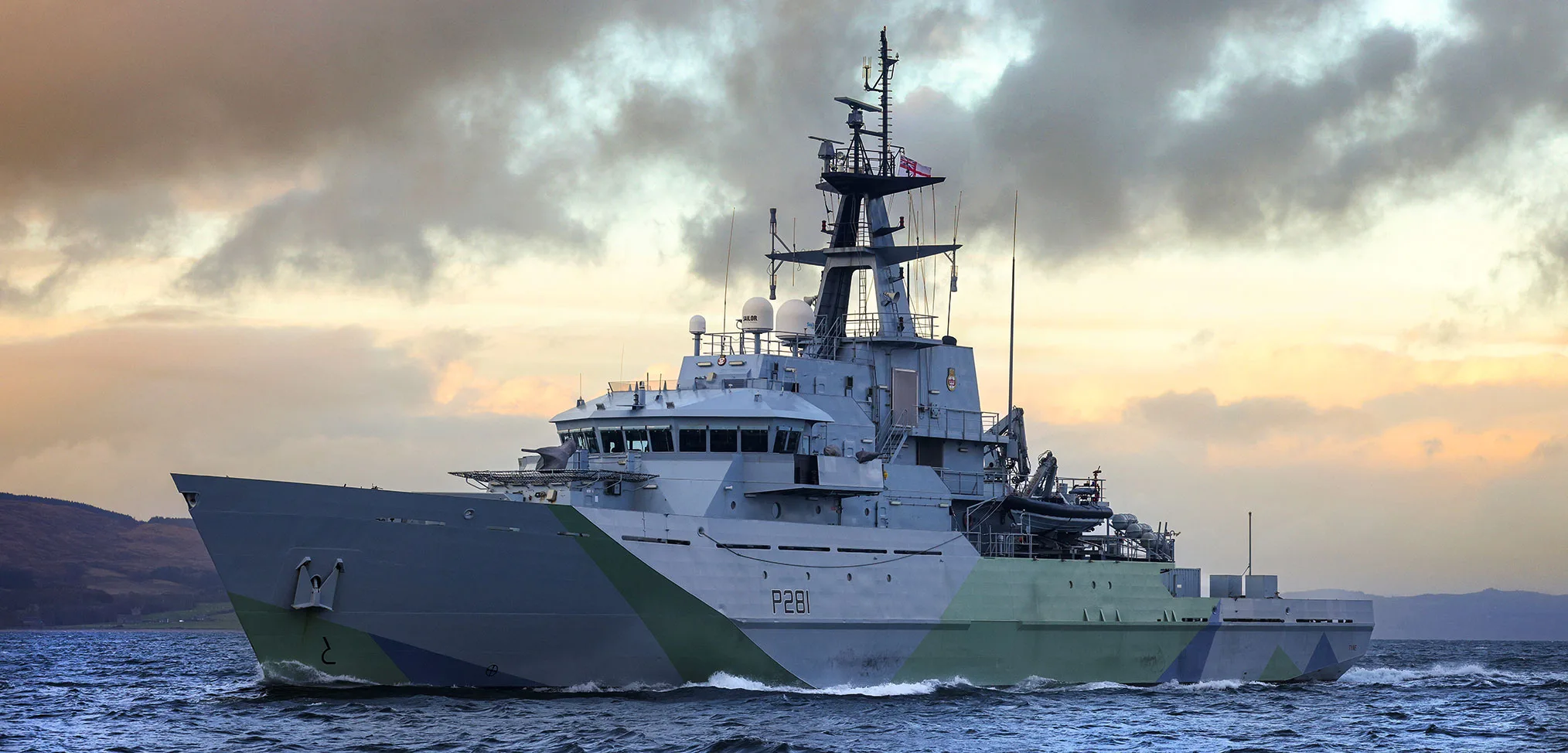
Uruguay has torn up its biggest naval order in a generation. The government cancelled an eighty-two-million-euro contract for two ocean patrol ships and accused the Spanish builder of defrauding the state.
President Yamandú Orsi, who took office in March 2025, says there are strong signs of fraud against the Uruguayan state. His government has moved to recover the roughly twenty-eight million euros already paid and has opened a fresh search for ships.
How the Uruguay navy ship deal came apart
The contract was signed in December 2023 by the previous centre-right government of Luis Lacalle Pou. According to Uruguay’s Ministry of National Defence, it agreed to pay Cardama just over eighty-two million euros for two ships to guard the coast and fishing waters.
The vessels are known as ocean patrol ships, built to chase illegal fishing boats and drug runners far out at sea. Each was to be just under eighty-seven metres long and carry a helicopter.
Trouble started with the guarantees. Before building can begin, a contractor must post a bond that the buyer can cash if the work fails, a routine insurance step on deals this size.
Uruguay’s incoming government says Cardama’s main performance bond was backed by a now-defunct firm in England and that the paperwork was false. It also says a second guarantee, meant to cover repayment, was never a proper policy at all, just a page of terms and conditions.
From October warning to a full break
President Orsi first signalled the break in October 2025, announcing at a news conference that he had ordered the contract unwound. He cashed in the performance bond, worth five percent of the total, and spoke of signs of a swindle against the state.
In February 2026 the government made it final. After a cabinet meeting, Orsi laid out four steps: cancel the supply contract for serious breach, sue for damages, recover the public money already spent, and launch a new programme to buy patrol ships.
Officials said an audit by the inspection firm Veritas backed their case. The dispute now sits in the Uruguayan courts, and Cardama’s international lawyers are preparing a counterclaim that could run to many millions.
Cardama tells a different story. Its owner, Mario Cardama, says the required bond was in fact renewed in late September and that a clerical slip inside the company kept the document from reaching the ministry on time.
Why the Uruguay navy ship deal matters for investors
The case shows how quickly a government contract can flip from asset to liability. Money was already moving when the deal broke, with about twenty-eight million euros paid and Caterpillar engines reported to be in transit from the United States.
It also shows the risk of buying on price alone. Cardama was the cheapest of several bidders, but it is a modest yard that mainly repairs fishing boats and had not launched a vessel since 2017, let alone a warship.
There is a political layer too. A left-wing government is unwinding a contract its centre-right predecessor signed, which makes the courtroom fight inseparable from a domestic blame war between the two camps.
The forward signal is what to watch. An international arbitration would test how a small, well-rated sovereign defends a cancellation of this size, and whether it can claw back what it paid.
For now Uruguay is back where it started, its navy still short of modern ships and its standing as a contract partner under a cloud. Whoever wins the next tender will read the Cardama file very closely first.
Frequently Asked Questions
Why did Uruguay cancel the Cardama navy ship deal?
The government of President Yamandú Orsi says it found strong signs of fraud against the state, centred on guarantees it considers false or invalid. It cancelled the deal for serious breach and is suing to recover money already paid.
What does the shipyard say in its defence?
Astilleros Cardama denies wrongdoing and says the boats were being built on time. Its owner says the disputed bond was renewed in late September and that a clerical error inside the firm kept the document from reaching the ministry.
How much money is at stake?
The full contract was worth just over eighty-two million euros, about ninety million dollars. Around twenty-eight million euros had already been paid, and a court fight over damages could push the total exposure higher.
The Rio Times · Power Map
See who really holds power in Latin America
Click to open the Power Map →