By The Rio Times | Created at 2026-09-26 13:21:55 | Updated at 2026-09-26 13:58:13
2 hours ago
By The Rio Times | Created at 2026-09-26 13:21:55 | Updated at 2026-09-26 13:58:13
2 hours ago
GUIDES · VENEZUELA
Key Facts
- —Capital Caracas, set in a mountain valley just inland from the Caribbean. Its main airport, about 20 kilometres (12 miles) north in La Guaira state, reopened only partially on 1 September 2026 after the June earthquakes.
- —Population About 28.5 million in 2025, according to the World Bank, a little fewer than Texas. Another 6.98 million Venezuelans live elsewhere in Latin America and the Caribbean, a UN-led regional platform counted in August 2026.
- —Currency The bolívar (Bs). The central bank’s official rate is Bs 857.01 per US dollar, published on Friday 25 September 2026 and valid from Monday 28 September. It was Bs 301.37 at the start of the year.
- —Language Spanish is the official language. The 1999 constitution also gives indigenous languages official status for indigenous peoples.
- —GDP About US$99.7 billion in 2025, according to the International Monetary Fund’s (IMF) April 2026 outlook. That is close to Luxembourg’s economy, shared by roughly 40 times as many people: about US$3,700 per person, against about US$90,000 in the United States.
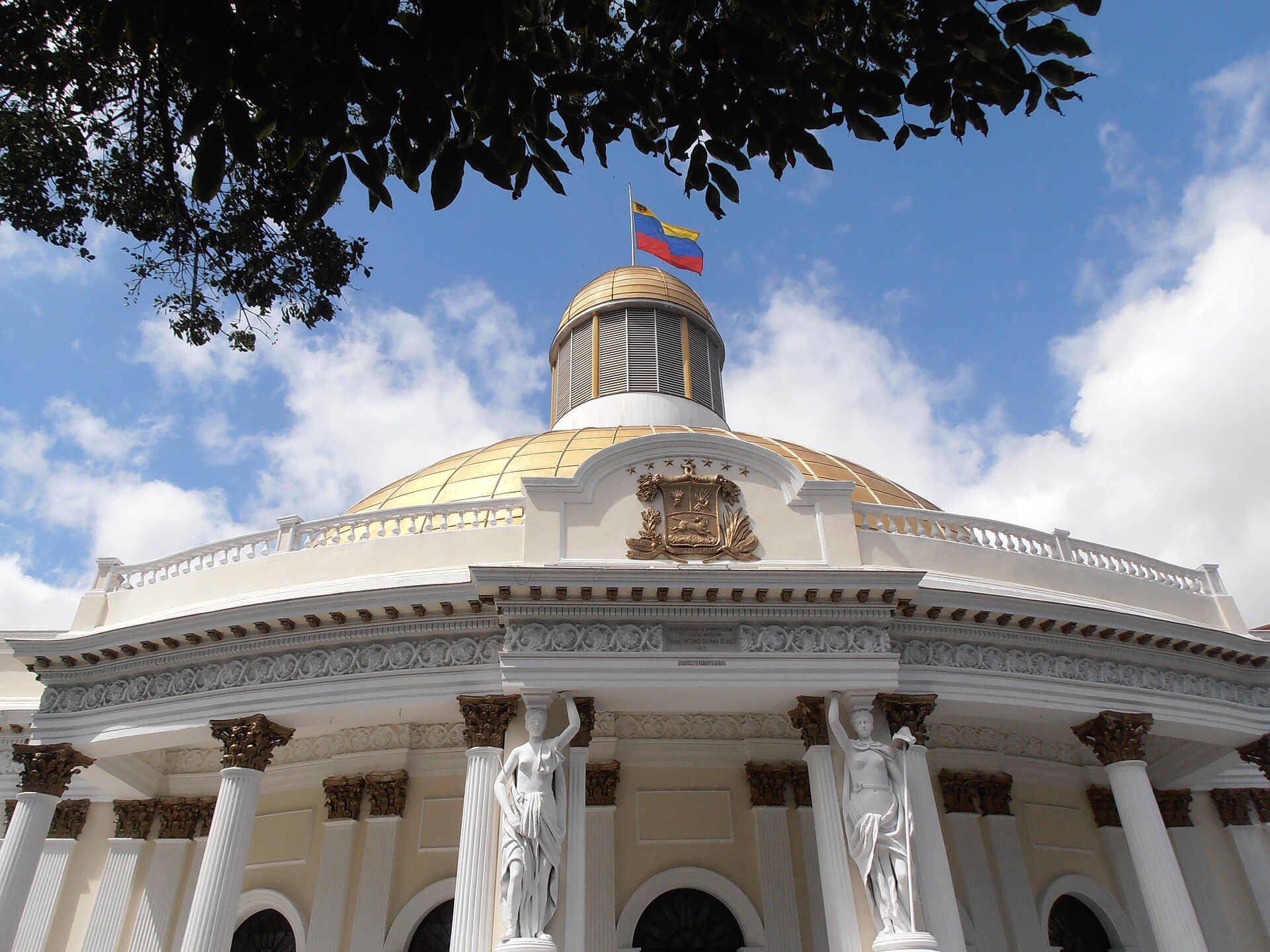
- —Government A federal presidential republic under the 1999 constitution, with a single-chamber National Assembly, 23 states and a Capital District. Delcy Rodríguez has governed as acting president since 5 January 2026; no election date has been set.
Venezuela explained for newcomers: who has held power since US forces seized Nicolás Maduro, how an oil economy under American licence works, and which dates matter next.
Venezuela explained in two sentences: it holds the largest proven oil reserves on earth, and in January 2026 US forces seized its president. Since then a caretaker government from the old ruling party has run the country under close US supervision. That is why its oil, its prisons and its election timetable now matter in Washington and Europe.
What kind of country is this?
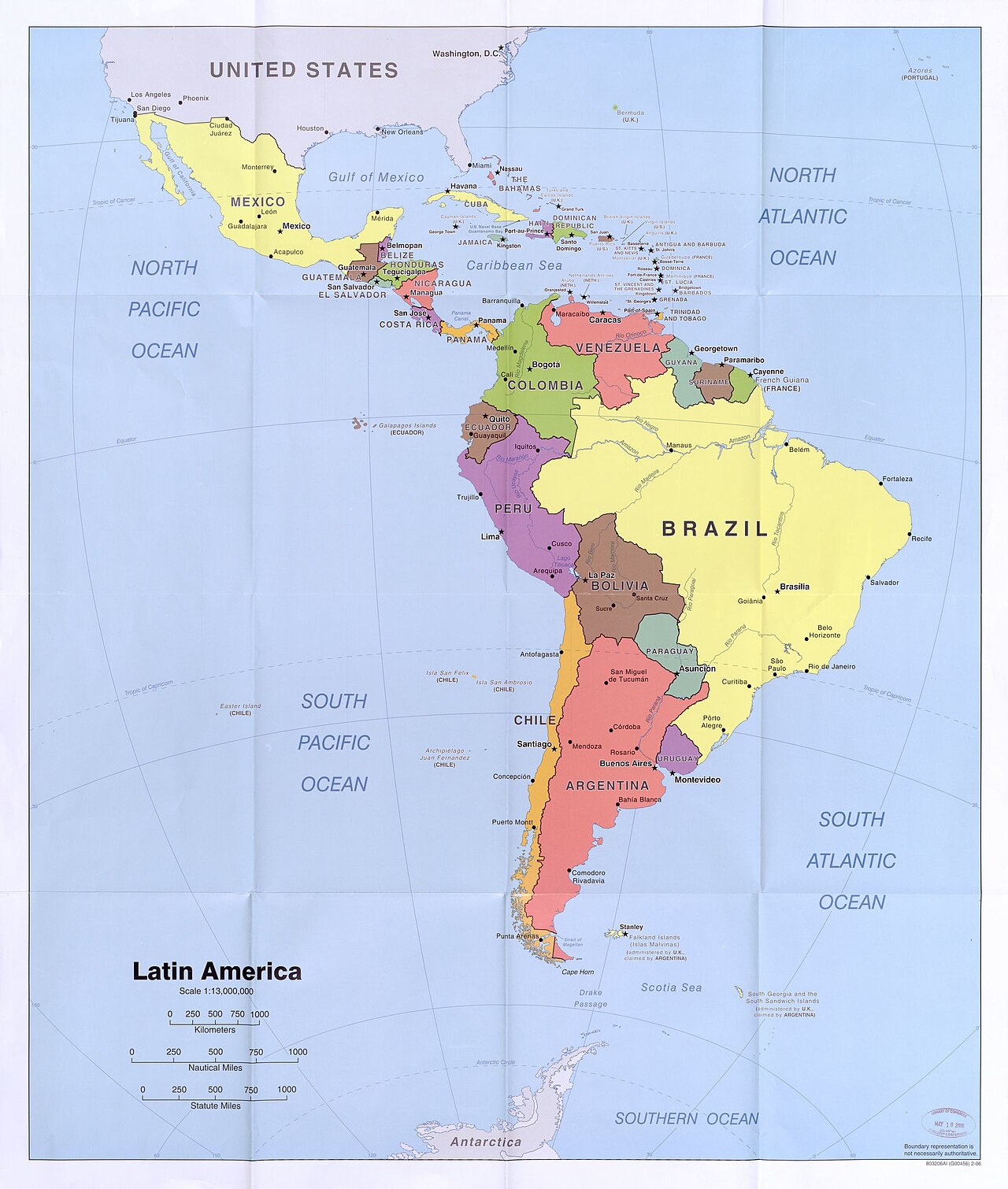
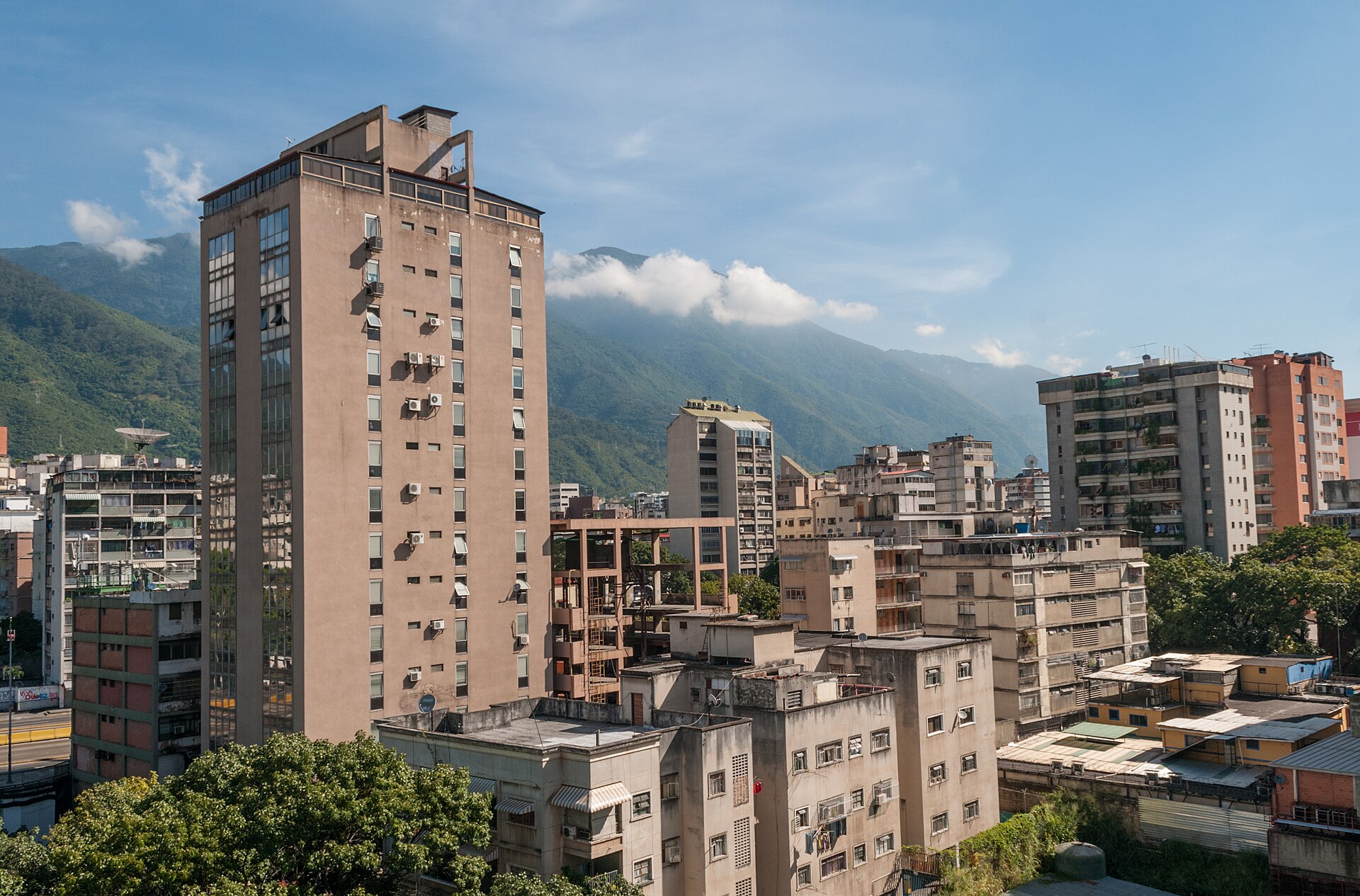
Venezuela covers 912,050 square kilometres on the Caribbean coast of South America, about a third larger than Texas. It borders Colombia, Brazil and Guyana. Most people live in a band of cities across the north, from Maracaibo through Valencia to Caracas.
Hugo Chávez won the presidency in 1998 and rewrote the constitution in 1999. His movement, chavismo, has governed ever since. After Chávez died in 2013, Nicolás Maduro ruled until 3 January 2026.
Opposition groups and international rights observers called Maduro’s re-elections in 2018 and 2024 fraudulent. Under his rule the economy collapsed and millions left. A UN-led regional platform counted 6.98 million Venezuelan refugees and migrants in Latin America and the Caribbean in August 2026.
Colombia hosts 2.84 million of them and Peru 1.63 million. That is roughly one Venezuelan living elsewhere in the region for every four still at home.
One-stop reference
Company Intelligence
Every listed company in Latin America — financials, ownership and structure for 1,450+ companies across 26 exchanges, in one place.
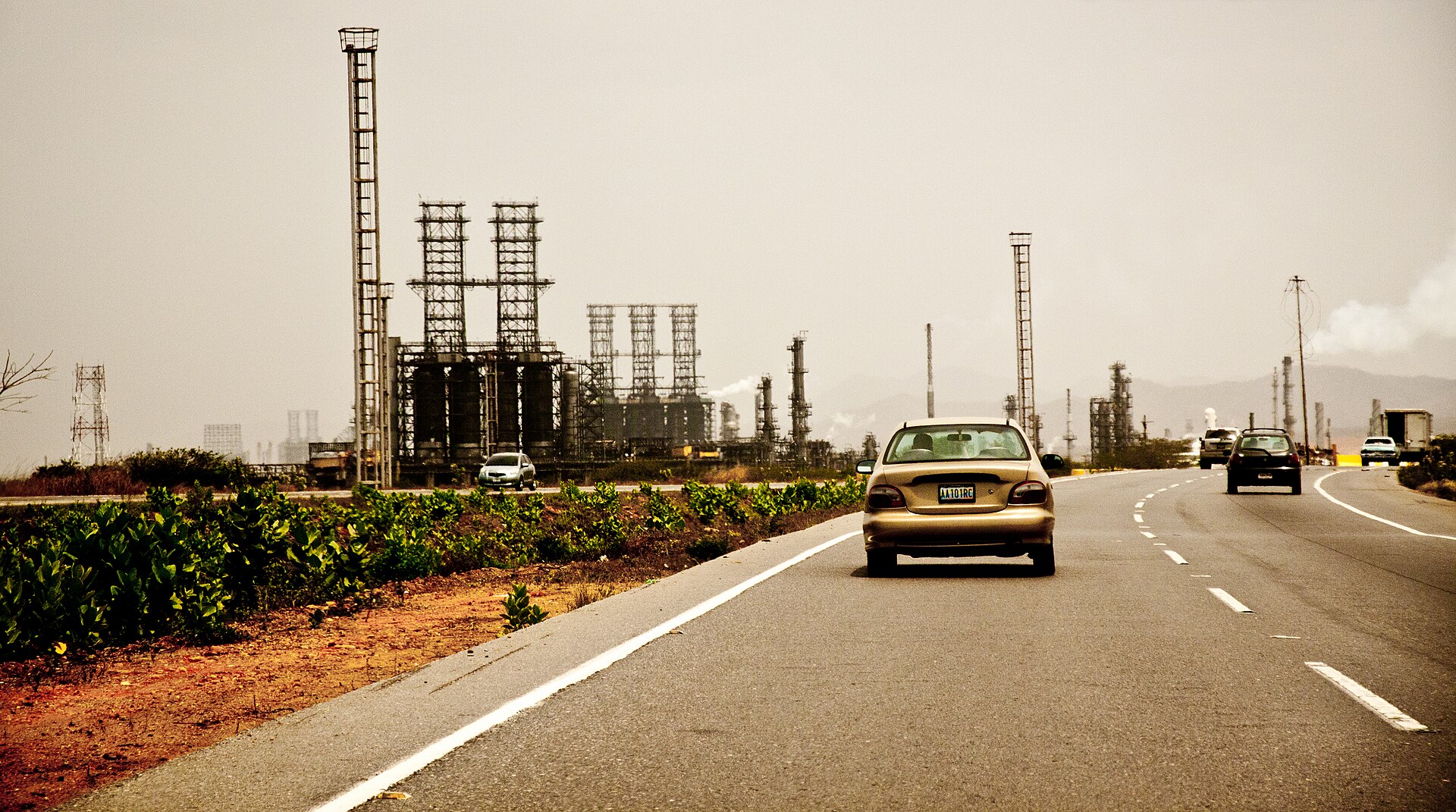
Oil is the reason the world pays attention. Venezuela holds an estimated 303 billion barrels of proven reserves, mostly extra-heavy crude in the Orinoco belt. That oil needs diluents and heavy investment before it can be sold.
Output peaked at 3.75 million barrels a day in 1970 and bottomed near 545,000 in 2020. Venezuela is a founding member of the Organization of the Petroleum Exporting Countries (OPEC).
Who runs Venezuela and how
On Saturday 3 January 2026 US forces seized Maduro and his wife, Cilia Flores, in a raid on Caracas. The same day the Supreme Court of Justice (TSJ) ordered Vice-President Delcy Rodríguez to take over, citing Maduro’s “forced absence”. The National Assembly swore her in on Monday 5 January.
Rodríguez had been vice-president since 2018 and was sanctioned by the first Trump administration. Her brother, Jorge Rodríguez, presides over the National Assembly. Diosdado Cabello, the hard-line interior minister, remained in post as of September 2026.
In short, most people running the state are those who ran it under Maduro. What changed is who sets the limits. On 7 January Secretary of State Marco Rubio set out a three-phase US plan: stabilisation, recovery and transition.
Washington’s lever is oil money. Under Executive Order 14373 of 9 January 2026, payments owed to the Venezuelan state from licensed oil deals go into accounts controlled by the US Treasury.
The legal basis is contested. The constitution lets a vice-president cover a “temporary absence” for 90 days, extendable once by 90 more. The legal group Acceso a la Justicia and jurist Allan Brewer-Carías argue that limit expired on 2 July 2026.
In their reading, a presidential election should have been called within 30 days. Government supporters answer that the constitution does not foresee a president seized by a foreign power. By mid-July 2026 the National Assembly had not declared an absolute absence.
Washington calls her team “interim authorities”, and Rubio said in January that the government had no electoral legitimacy. Even so, the IMF and the World Bank resumed dealings with it on 16 April 2026, for the first time since 2019.
The opposition is split. María Corina Machado, the exiled winner of the 2025 Nobel Peace Prize, has been absent from the US-backed talks.
How the economy works
Oil pays the bills. OPEC’s report of 10 September 2026 put August crude output at 1.145 million barrels a day, using independent secondary sources. That is up from 1.122 million in July, but under a third of the 1970 peak.
The government itself reported 1.201 million, a gap of 56,000 barrels a day. Venezuela’s Merey crude averaged US$76.82 a barrel in August, OPEC said.
Tanker-tracking data from Kpler put total exports at 1.11 million barrels a day over the first eight months of 2026. Shipments to the United States averaged 515,000 barrels a day. Sales to China fell to about 5,000.
The currency is the second story. The official rate of the central bank (BCV) went from Bs 301.37 per dollar at the start of 2026 to Bs 857.01 per dollar. That rate was published on 25 September and applies from Monday 28 September. A dollar now buys about 2.8 times as many bolívars as in January.
A parallel market runs alongside, through peer-to-peer crypto platforms and Zelle transfers. On 19 September it priced the dollar at Bs 950, about 11 percent above the latest official rate. Economist Agustín Berríos put that gap near 200 percent in January.
Analysts say the gap narrowed mainly because the official rate fell faster, not because the bolívar got stronger. The BCV also sold more dollars to banks.
Inflation remains the highest in Latin America. The BCV reported 8.9 percent for August 2026, down from 19.9 percent in July after the earthquakes. Prices rose 200.1 percent in the first eight months, roughly tripling, and 534.2 percent over twelve months.
In April, before the earthquakes, the IMF forecast 4 percent growth and 387.4 percent inflation for 2026. Instead of raising the minimum wage, the state pays a bonus indexed to the dollar. It was US$200 a month in May 2026, paid in bolívars, according to FEWS NET, a famine early-warning network.
What is happening right now
As of 26 September 2026, Delcy Rodríguez governs as acting president with US backing, and no election date has been set. On Tuesday 22 September she met President Donald Trump in New York, their first meeting. At the UN General Assembly the next day she said “elections will be held in Venezuela” but gave no date.
Reuters reported on 25 September, citing five political sources and analysts, that a vote may be a year or more away. The talks foresee first replacing all 32 Supreme Court judges and the five directors of the National Electoral Council (CNE). Eurasia Group, a political-risk consultancy, expects elections in late 2027 at the earliest.
The biggest economic change is an oil deal announced on 28 August. The White House says the interim authorities granted North American Blue Energy Partners (NABEP) 100-year concessions over 17 fields holding about 65 billion barrels. That is more than a fifth of Venezuela’s reserves.
Under the same deal, the US State Department may buy 20 percent of NABEP’s output at production cost. Trump called it “the biggest oil deal in world history”.
US sanctions on the state oil company, Petróleos de Venezuela (PDVSA), formally remain in place. Trade runs under general licences from the Treasury’s Office of Foreign Assets Control (OFAC). The current versions, General Licences 46D and 50C, took effect on 27 August 2026.
They let established US firms buy and ship Venezuelan oil. They also let BP, Chevron, Eni, Maurel & Prom, Repsol and Shell operate in the country.
The country is also rebuilding. On Wednesday 24 June 2026 two earthquakes of magnitude 7.2 and 7.5 struck within a minute, according to the US Geological Survey. More than 6,500 people died, most in coastal La Guaira state, and the main airport closed for more than two months.
On 30 January 2026 Rodríguez announced a general amnesty for political cases dating back to 1999, and the closure of the El Helicoide detention centre. The prisoners’ rights group Foro Penal had confirmed 302 releases by then. The White House said in August that hundreds of political prisoners had been freed.
Maduro is held in a Brooklyn jail and has pleaded not guilty to drug-trafficking and narco-terrorism charges. Judge Alvin Hellerstein has set his trial for 1 June 2027. On 2 September his lawyers asked for dismissal, arguing that a head of state is immune from prosecution.
What to watch
Institutions first. Naming new Supreme Court judges and a new electoral council would be the first concrete step towards a vote. The White House said in August that US-sponsored talks with the opposition-led National Assembly elected in 2015 would continue in September.
In the courts, US prosecutors must answer Maduro’s immunity motion by Friday 2 October 2026. Oral arguments are set for Tuesday 17 November, and the trial for Tuesday 1 June 2027.
On oil, OPEC’s next monthly report is due on Tuesday 13 October, with September output. PDVSA has set a target of 1.3 million barrels a day by the end of 2026. The consultancy Rystad Energy projects about 1.4 million by 2028.
On money, watch the BCV’s monthly inflation figure, published early each month, and the gap between the official and parallel rates. Single-digit monthly inflation and a gap near zero would be the first signs of real stabilisation. The IMF’s October World Economic Outlook will show whether its April forecasts survived the earthquakes.
Finally, watch OFAC. General licences have been revised every few months, and each version has changed who may operate and on what terms. Access to about US$4.9 billion in IMF reserve assets, known as special drawing rights, is another milestone.
What this means for foreigners
Travel is possible but risky. The US State Department rates Venezuela Level 3, “Reconsider travel”, citing crime, kidnapping, terrorism and poor health care. It dropped the top “Do not travel” level on 19 March 2026.
The US Embassy in Caracas formally reopened on 30 March, but routine consular services are still handled in Bogotá, Colombia. American Airlines restarted Miami–Caracas flights on 30 April 2026, the first US passenger service in seven years.
After the earthquakes, the main airport at Maiquetía reopened partially on 1 September from temporary terminals. Airlines including Iberia, Copa and Avianca announced their return during September.
Money works on two tracks. The BCV rate is the only legal reference for invoices, taxes and contracts, while much everyday trade is priced in dollars. At Bs 857.01 per dollar, Bs 1,000 is worth about US$1.17, and prices rising almost 9 percent a month make bolívar amounts stale within weeks.
For business, US sanctions still apply unless a licence covers the deal. The current licences bar counterparties linked to Russia, Iran, North Korea and Cuba, and entities owned or controlled from China. Payments to the Venezuelan state must go to the Treasury-controlled accounts.
Venezuela explained honestly, then: a country with enormous resources, a government without an electoral mandate, and a timetable set partly in Washington. For a visitor or investor, the formal rules matter, but the political calendar is the real risk.
Sources: Output and oil prices from OPEC, the exchange rate and inflation from the Banco Central de Venezuela, sanctions licences from the US Treasury, travel rules from the US State Department, and economic data from the IMF and World Bank. All accessed 26 September 2026.
- Reuters — Supreme Court orders Delcy Rodríguez to assume the presidency, 3 January 2026
- BBC — Rodríguez sworn in as Maduro pleads not guilty, 5 January 2026
- Reuters — Rubio’s three-phase plan: stabilisation, recovery, transition
- US Treasury, OFAC — Venezuela General License 46D, effective 27 August 2026
- US Treasury, OFAC — Venezuela General License 50C, effective 27 August 2026
- The White House — fact sheet on the NABEP oil agreement, 31 August 2026
- OPEC — Monthly Oil Market Report and 2026 release dates
- The Daily Journal — OPEC September report, August 2026 output
- Banco Central de Venezuela — national consumer price index
- Banco Central de Venezuela press release via Globovisión — August 2026 inflation
- Finanzas Digital — BCV official rate for 28 September 2026
- International Monetary Fund — Venezuela country page and April 2026 WEO data
- Reuters — IMF and World Bank resume dealings with Venezuela, 16 April 2026
- World Bank — population and surface area, Venezuela
- UNHCR and IOM regional platform — Venezuelan refugees and migrants, August 2026
- US State Department — Venezuela travel advisory, Level 3
- Reuters — US formally reopens its Caracas embassy, 30 March 2026
- Reuters — US passenger flights to Venezuela resume, 30 April 2026
- AP — Maiquetía airport partially reopens, 1 September 2026
- CBS News — USGS magnitudes of the 24 June 2026 earthquakes
- AP via NBC News — Rodríguez promises elections at the UN, 23 September 2026
- Reuters via The Spokesman-Review — promised elections face long delays, 25 September 2026
- Reuters — Maduro claims immunity; trial set for 1 June 2027
- Acceso a la Justicia via Curadas — the 180-day limit on the acting presidency
- ICLG — Venezuela oil and gas laws, reserves and production history
What Is Not Known
When Venezuelans will vote. Rodríguez has promised elections without a date, and US officials say economic stability comes first. Two sources close to the talks told Reuters a vote was unlikely before the end of 2027.
On what legal basis the interim government now rests. The 180-day limit for covering a temporary absence ran out on 2 July 2026, and the National Assembly had not declared an absolute absence by mid-July. How courts, lenders and a future government will treat decisions taken since then is unclear.
How much oil Venezuela really produces, and how fast that can grow. The government’s figure exceeds OPEC’s independent estimate by 56,000 barrels a day. How quickly the 17 NABEP fields can be developed, and at what cost, has not been set out publicly.
How many people live in Venezuela. The World Bank counts about 28.5 million for 2025, while the IMF uses 26.9 million for 2026. The UN-led migration platform says no official statistics on returning migrants exist, so both figures carry wide margins.
The economic cost of the June earthquakes. The IMF’s April forecasts predate them, and July’s 19.9 percent monthly inflation shows the shock was large. A full, official reckoning of damage and reconstruction needs has not been published.
Frequently Asked Questions
Who is the president of Venezuela in 2026?
Delcy Rodríguez, Maduro’s vice-president since 2018, has governed as acting president since she was sworn in on 5 January 2026. The Supreme Court ordered her to take over after US forces seized Nicolás Maduro on 3 January. She has not been elected, and no election date has been set.
What happened to Nicolás Maduro?
US forces captured Maduro and his wife, Cilia Flores, in a raid on Caracas on 3 January 2026 and flew them to New York. He has pleaded not guilty to drug-trafficking and narco-terrorism charges and is held in a Brooklyn jail. His trial is set for 1 June 2027.
When will Venezuela hold elections?
No date has been set. Rodríguez told the UN General Assembly on 23 September 2026 that elections will be held, without saying when. Sources cited by Reuters and the consultancy Eurasia Group expect a vote in late 2027 at the earliest, after the courts and electoral council are replaced.
Have US sanctions on Venezuelan oil been lifted?
No. Sanctions on PDVSA formally remain, but US Treasury general licences allow established US firms to buy and ship Venezuelan oil and let BP, Chevron, Eni, Maurel & Prom, Repsol and Shell operate. Payments to the Venezuelan state go into accounts controlled by the US Treasury.
What is the exchange rate in Venezuela?
The central bank’s official rate is Bs 857.01 per US dollar, published on 25 September 2026 and valid from 28 September. It was Bs 301.37 at the start of the year. The parallel rate was about Bs 950 per dollar on 19 September, roughly 11 percent higher.
Is it safe for Americans to travel to Venezuela?
The US State Department rates Venezuela Level 3, Reconsider travel, because of crime, kidnapping, terrorism and poor health care. The US Embassy in Caracas reopened on 30 March 2026, but routine consular services are still provided in Bogotá, Colombia.