By The Rio Times | Created at 2026-10-16 09:31:30 | Updated at 2026-10-16 10:15:40
1 hour ago
By The Rio Times | Created at 2026-10-16 09:31:30 | Updated at 2026-10-16 10:15:40
1 hour ago
VENEZUELA · TRADE
Key Facts
- The country Venezuela is an oil-rich South American country that is now rebuilding its ties with the United States.
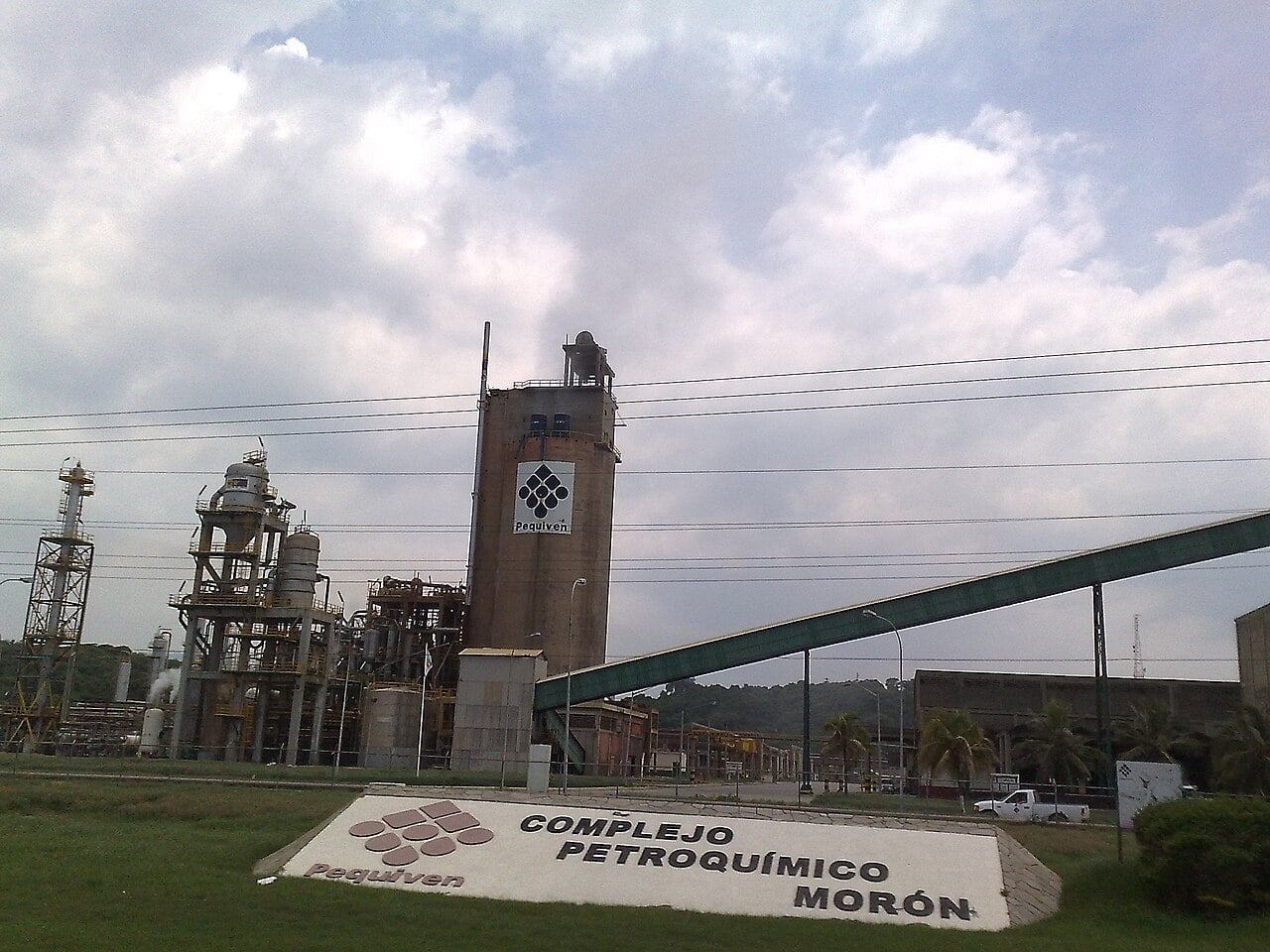
- What happened Pequiven, Venezuela’s state petrochemical company, exported 30,000 metric tons of fertilizer to the United States, announced on Thursday 15 October.
- The channel The cargo moved through XTS Commodities, a US trading company owned by Xtellus Partners.
- The US message Washington’s top diplomat in Caracas said the fertilizer will help supply American farmers with key inputs.
- The background The United States and Venezuela restored diplomatic relations on 30 March 2026, after US forces captured Nicolás Maduro in January.
- Power Index Venezuela ranks 13th of 14 in The Rio Times Latin America Power Index, with 27.0 points (October 2026 edition).
- Still open The price, the port and the exact type of fertilizer have not been published.
Venezuela exports fertilizer to the United States in a new deal, as the state-owned company Pequiven has shipped 30,000 metric tons through a US trader. The US embassy in Caracas announced the sale on Thursday 15 October.
For US readers the news touches farm costs and a political experiment at the same time. Washington links the cargo to its plan to stabilise and rebuild Venezuela’s economy.
What the Embassy Announced
John Barrett, who leads the US embassy in Caracas as chargé d’affaires, said Pequiven had exported 30,000 metric tons of fertilizer to the United States. Banca y Negocios, a Venezuelan business outlet, and the Spanish news agency EFE both carried his statement on Thursday.
Barrett wrote that it was excellent to see the export completed and that it would supply key inputs to American farmers. He added that the United States keeps strengthening bilateral trade and Venezuela’s economic recovery.
Follow this story
Get an email when there’s news on Venezuela
Free. One email a day at most, and only when there is news. This also signs you up to our weekday newsletter, The LatAm Brief. Nothing arrives until you click the confirmation link, and you can stop either with one click. Privacy policy.
Who Is Behind the Shipment
Pequiven, short for Petroquímica de Venezuela, is the state-owned petrochemical company that exported the fertilizer. The sale went through XTS Commodities, which Banca y Negocios describes as a US company and a subsidiary of Xtellus Partners.
A trading company like XTS buys the cargo from the producer and arranges its sale and delivery abroad. Banca y Negocios and EFE both name XTS as the company that handled the shipment.
Why US Farmers Are Part of the Story
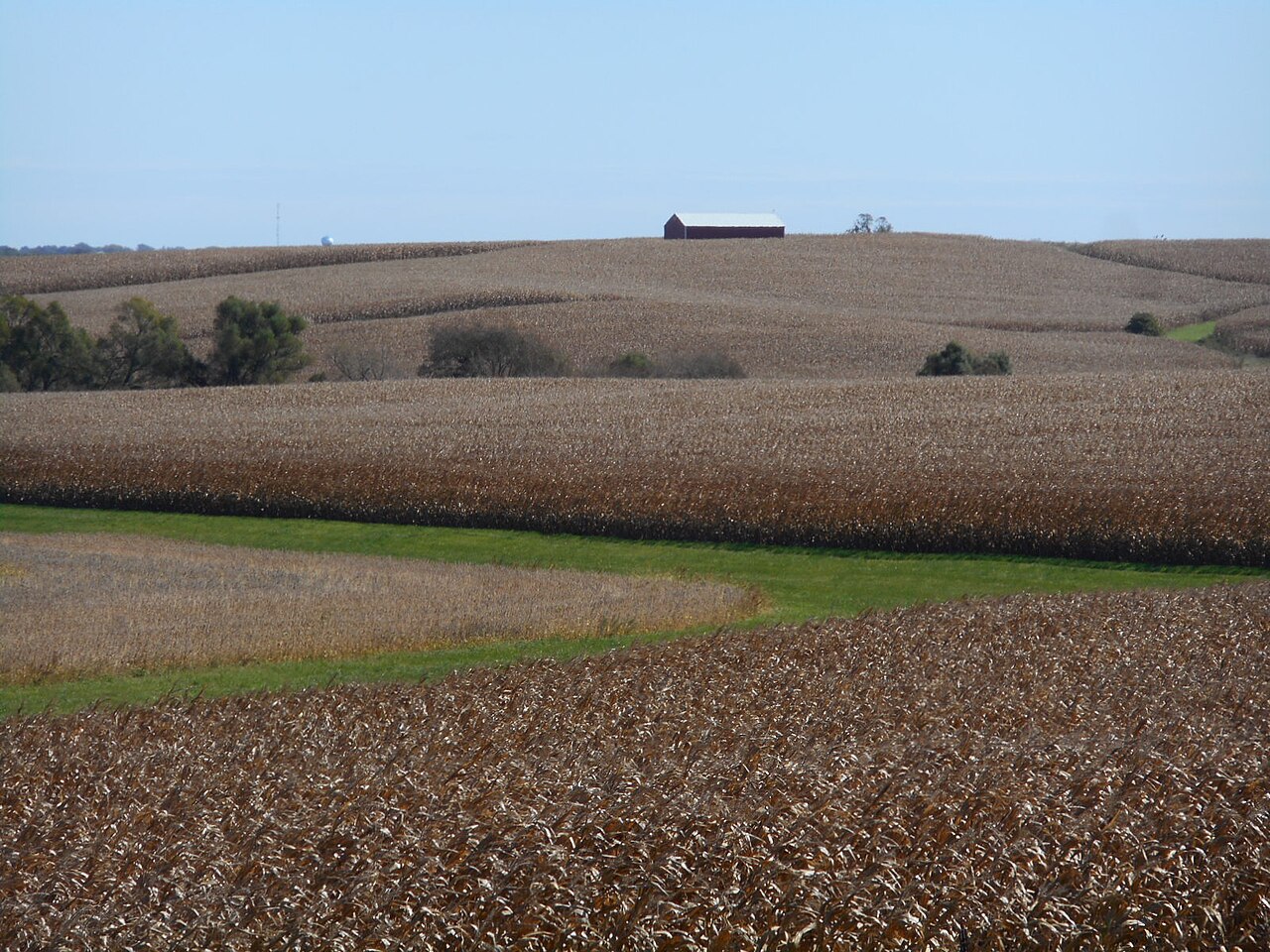
When Venezuela exports fertilizer north, it reaches farmers of corn, wheat and soybeans, for whom the product is a top yearly cost. Barrett named those farmers directly in his statement.
A single cargo of 30,000 metric tons is a small amount for the large US farm sector. Its weight is political, as Venezuelan goods are now moving north under the new relationship.
A Thaw Built Step by Step
The United States and Venezuela restored diplomatic relations on 30 March 2026, EFE reports, after Maduro broke them in 2019. The restoration followed the capture of Maduro by US forces in January, and he now faces charges in a US court.
Since then both governments have signed agreements on oil and mining, and Washington has eased some sanctions on those sectors. It has also lifted its sanctions on Delcy Rodríguez, the acting president, and on her brother Jorge Rodríguez, who leads the National Assembly.
Washington’s Three-Phase Plan
Barrett tied the shipment to a three-phase plan that he credited to President Donald Trump and Secretary of State Marco Rubio. EFE lists the phases as stabilisation, recovery and transition.
When Venezuela exports fertilizer, it fits the recovery phase, in which the country’s factories and farms are meant to earn dollars again. Our report on a Venezuelan aluminium shipment that reached the United States after eight years shows a similar pattern.
What It Means for You
For American farmers, one cargo will not move prices, but the fact that Venezuela exports fertilizer adds a possible new source of supply. If more Venezuelan sales follow, they could widen the choice of suppliers over time.
For investors, the deal is another sign that US companies are returning to Venezuela, as described in our guide to who runs Venezuela’s economy. The risk is political, because the new trade rests on a relationship that can change quickly.
What Is Not Known
The price of the cargo and the port of delivery have not been published, and neither has the date it left Venezuela. The type of fertilizer, such as urea or ammonia-based products, has not been specified.
It is also open whether Venezuela exports fertilizer on a regular basis or whether this was a one-off sale. Pequiven has not said how much it can export each year.
More: Venezuela news in English, every day from The Rio Times.
Frequently Asked Questions
How much fertilizer did Venezuela export to the US?
Venezuela exports fertilizer through Pequiven, its state petrochemical company, which shipped 30,000 metric tons of fertilizer to the United States. The US embassy in Caracas announced it on Thursday 15 October.
Who bought the Venezuelan fertilizer?
The cargo went through XTS Commodities, a US trading company owned by Xtellus Partners. The final buyers have not been named.
Does the export break US sanctions?
The US embassy itself announced the sale and tied it to Washington’s plan for Venezuela. Washington has eased some oil and mining sanctions since relations resumed.
Will this lower fertilizer prices for American farmers?
A single cargo of 30,000 metric tons is unlikely to move prices in the large US market. If Venezuela exports fertilizer in regular shipments, the effect over time would matter more.
Sources: Banca y Negocios, 15 October 2026; Efecto Cocuyo (EFE), 15 October 2026.
Editorial responsibility: Matthias Camenzind, Editor-in-Chief · Editorial standards · Report an error
The Rio Times · Power Map
See who really holds power in Latin America
Click to open the Power Map →