By The Rio Times | Created at 2026-09-21 10:11:43 | Updated at 2026-09-21 11:34:32
2 hours ago
By The Rio Times | Created at 2026-09-21 10:11:43 | Updated at 2026-09-21 11:34:32
2 hours ago
GUIDES · VENEZUELA
Key Facts
- —What it is A two-step system — a visa or tourist card to enter, then residence status inside Venezuela.
- —Who it’s for Returning Venezuelans, family of citizens, sponsored workers, investors and independent professionals.
- —What it costs No consolidated official 2026 fee table for Venezuelan visas and residence could be confirmed.
- —Why it matters Many nationalities still enter visa-free by air, but every long stay needs filed paperwork.
- —The catch Consular coverage, air links and travel advice change often, so verify everything before you book.
Venezuela visa and residency in 2026 depends less on the country than on the passport you hold.
One-stop reference
Company Intelligence
Every listed company in Latin America — financials, ownership and structure for 1,450+ companies across 26 exchanges, in one place.
Venezuela visa and residency in 2026 is a two-step system, and it is not the same for every passport. Many nationalities still enter Venezuela visa-free by air for 90 days, while others must apply before they travel.
Who needs a visa for Venezuela in 2026
Venezuela visa and residency planning starts with your own passport, not with the country. Its foreign ministry publishes a list of about forty countries whose citizens may enter by air for tourism.
That list covers all European Union member states, the United Kingdom, Australia, Japan, Brazil, Colombia and Mexico, among others. The tourist stay is 90 days, extendable once for a further 90 days.
The United Kingdom’s Foreign Office says British citizens arriving by air receive a tourist card on arrival. It adds that arrivals overland or by sea may need a visa first.
Citizens of the United States have needed a visa since March 2015, and Canadians since July 2019. Chile, Ecuador, Peru, Panama and Guatemala were also removed from the exemption list.
Any passport must be valid for at least six months. Work, study, journalism, volunteering and non-governmental work all need a visa issued before travel, whatever your nationality.
Where applications are filed, and the consular map
Venezuela moved visa filing online in March 2026 through a platform its foreign ministry calls Cancillería Digital. Corporate immigration firms report that tourist and business applications now run through it.
The steps match most online systems: create the file, upload documents, pay, and wait for an emailed decision. The ministry publishes user manuals for the tourist visa and for the professional visa.
Consular coverage is the weak point. In January 2025 Fragomen, an immigration law firm, reported that Venezuelan consular services were suspended in Argentina, Chile, Peru and Uruguay.
That map moves. Peru and Venezuela reopened consulates in July 2026, and other posts have changed status since then.
The practical rule is simple. Confirm which post or online channel handles Venezuela visa and residency filings for your nationality before you pay for anything.
The visa categories set out in Venezuelan law
The Venezuela visa and residency categories come from a joint ministerial resolution published in Gaceta Oficial number 5.427 of 5 January 2000. It is old, but it remains the published framework.
The tourist visa runs one year for multiple entries, with stays up to 90 days and one 90-day extension. The business visa, coded TR-N, allows stays of up to 180 days.
Longer stays have their own codes: labour (TR-L), student (TR-E), investor (TR-I), religious (TR-REL) and domestic employee (TR-ED). Most run for one year and are renewable.
Family categories exist too. TR-FV covers the foreign family of a Venezuelan national, and TR-F covers the family of another visa holder.
A rentista category, coded TR-RE, is in the resolution for applicants living on verified outside income. It is renewable on the same terms when that income is proved again.
The PRO-V-90 visa for independent professionals
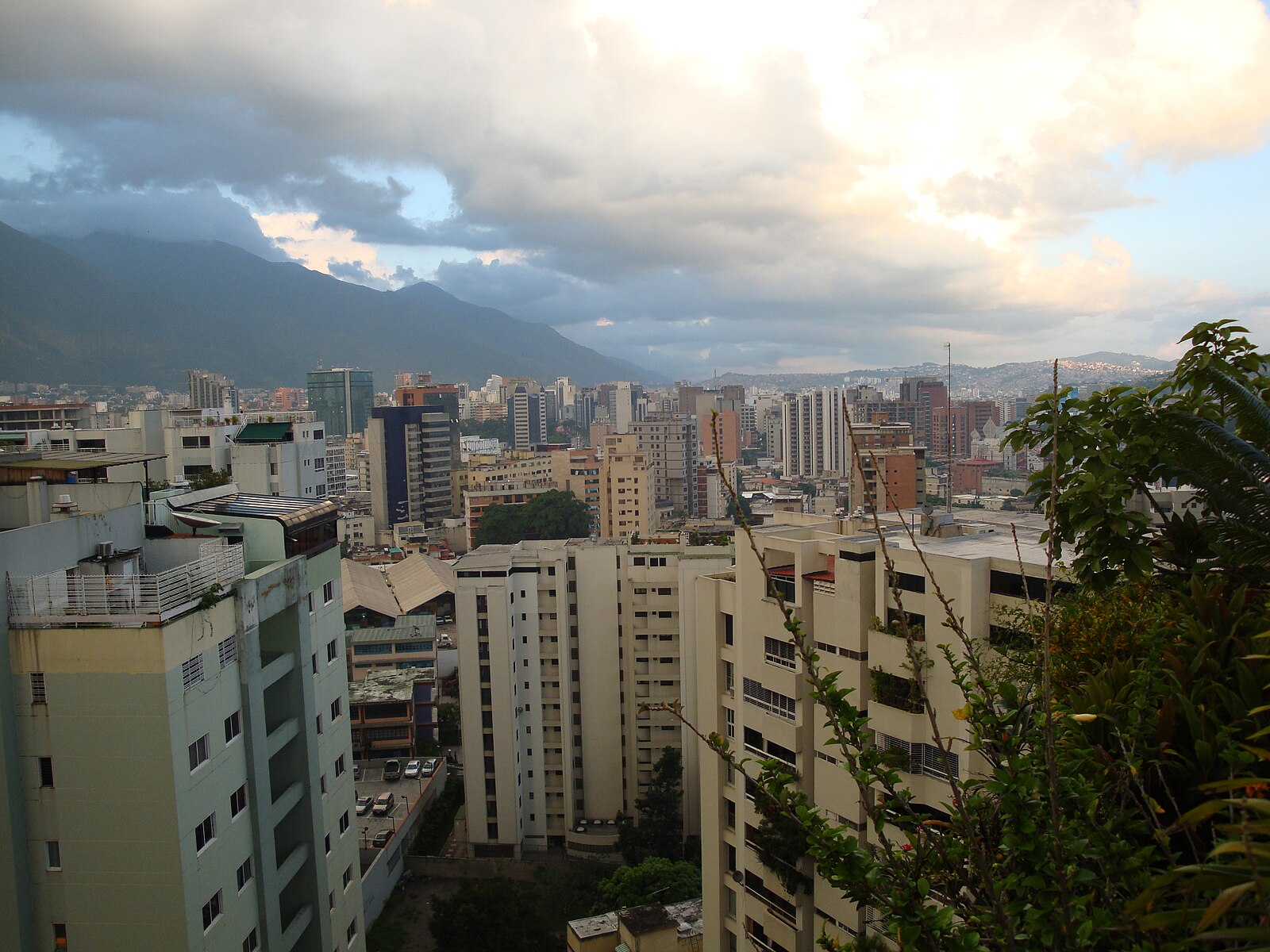
In September 2026 Venezuela added an electronic visa known as PRO-V-90. The immigration firms Fragomen and WR Immigration describe it as a multiple-entry visa valid for 90 days.
It is filed entirely through the online portal, and approval arrives by email rather than as a passport sticker. Reported processing time is about two to ten business days.
The route is for professionals who serve a Venezuelan client without entering an employment relationship with it. Reported activities include technical assistance, operational support, speaking engagements, journalism and investment oversight.
The same reporting says the holder may not draw employment pay from that company. After 90 days the holder must leave and obtain a new visa before returning.
No official fee for this route appears in the material reviewed here. Treat every parameter as provisional until the ministry confirms it in writing.
Residence, registration and the foreigner identity card
Venezuela visa and residency status inside the country is governed by the Foreigners and Migration Law of 24 May 2004. It appears in Gaceta Oficial number 37.944 and sorts foreigners into three groups.
Non-migrants may stay up to 90 days, extendable by 90, and may not work for pay. Temporary migrants stay for as long as their authorised activity lasts.
Permanent migrants may remain indefinitely. The law leaves the detailed admission requirements to its regulations, which is why practice varies more than the statute suggests.
Article 14 requires migrants to register with the national foreigners register within 30 days of arrival. The law lists illegal entry, unauthorised work and an unrenewed visa among deportation grounds.
Identity documents for foreigners are issued by SAIME, the national identification, migration and foreigners service. That card matters for banking, leases and domestic travel.
Documents, apostilles, timelines and what is not published
Venezuela has been part of the Hague Apostille Convention since 16 March 1999. Public documents from other member states therefore need an apostille rather than full consular legalisation.
The usual baseline is a valid passport, a completed form, a photograph and proof of purpose. Civil, work or financial documents follow the category you are applying under.
No single official 2026 checklist covering every Venezuela visa and residency class could be found. Ask your filing post for the list in writing, and keep that message.
Fees are the clearest gap. No consolidated official fee table for Venezuelan visas and residence appears in the public material reviewed for this guide.
Processing times are the second gap. Outside the reported two to ten business days for PRO-V-90, no official service standard is published.
Money: the bolivar, the dollar and daily practice
The bolivar is the official currency, and the central bank publishes an official reference rate each working day. On 15 September 2026 that rate was about 842 bolivars to the dollar.
United States dollars are widely used in everyday commerce, a pattern reported consistently by Venezuelan and international outlets. It is practice rather than a published legal regime.
No current official limit on moving money in or out of Venezuela could be confirmed here. Treat any precise figure elsewhere as unverified until a bank or a regulator states it.
For a long stay the practical consequence is plain. Keep funds outside the country where you can, and ask a local bank what it accepts before signing a lease.
Safety and travel advisories, as governments publish them
The United States government’s advisory for Venezuela stood at Level 4, Do Not Travel, in September 2026. It cites crime, kidnapping, terrorism, arbitrary arrest and detention, civil unrest and poor health infrastructure.
That level has moved during the year. The same government lowered it to Level 3 in March 2026, and reporting put the return to Level 4 in August 2026.
The United States Department of State announced on 30 March 2026 that it was resuming operations at its embassy in Caracas. Its statement described consular services as resuming at a later stage.
The United Kingdom’s advice, updated on 2 September 2026, warns against all but essential travel to Venezuela. It advises against all travel within 80 km (50 miles) of the Colombian border.
It sets 40 km (25 miles) bands at the Brazilian and Guyanese borders. It also tells British nationals to hold an emergency plan that does not depend on government help.
Getting there: air links and border crossings
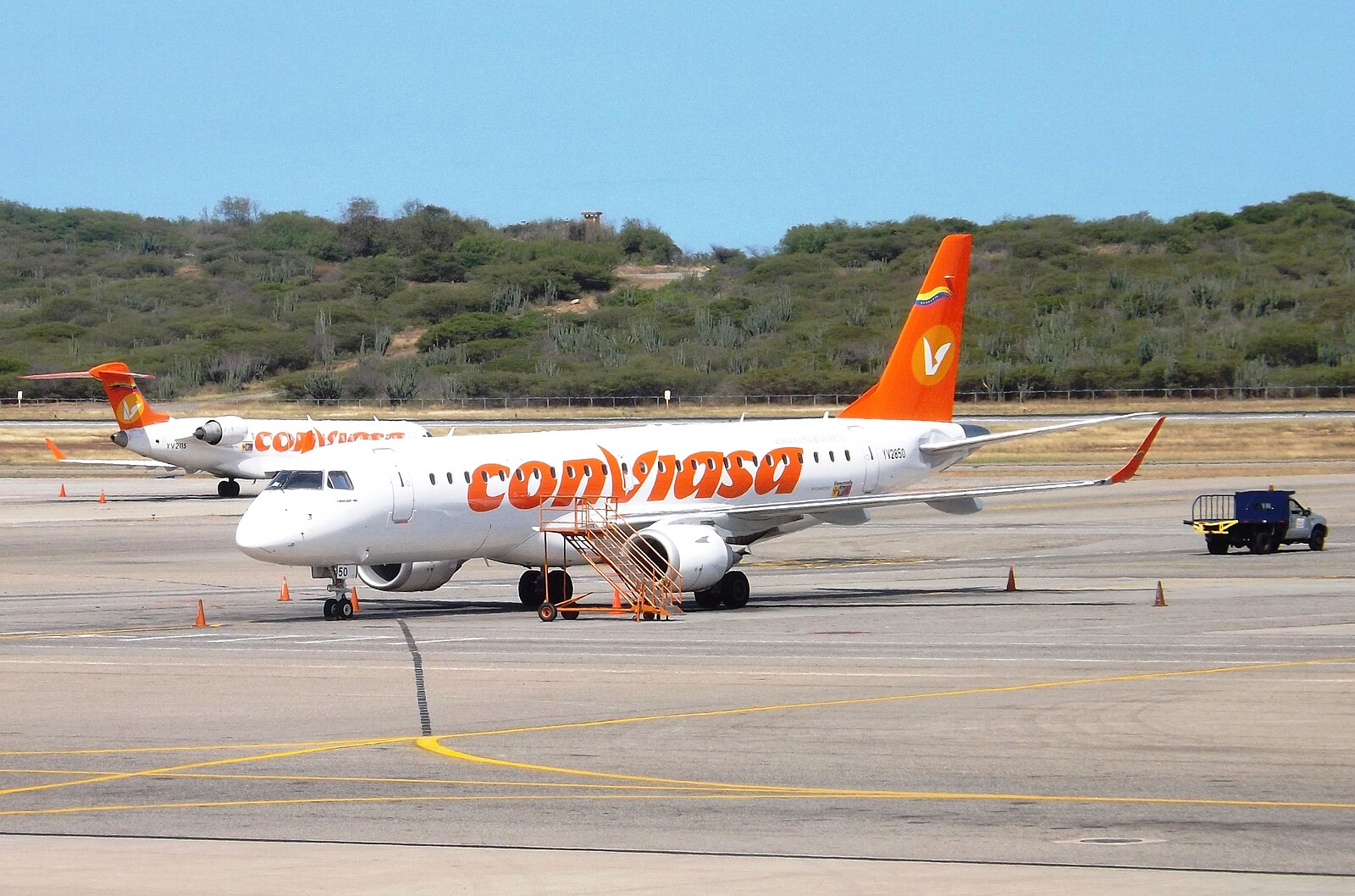
Air access has been interrupted more than once. Caracas’s Maiquetía airport suspended commercial flights after the earthquakes of 24 June 2026 and reopened partially on 1 September 2026.
Schedules returned gradually rather than all at once. Several international carriers resumed Caracas routes during September 2026, with others announced for later dates.
Airspace advisories are a separate matter from airline schedules. The United States aviation regulator warned in November 2025 about military activity and satellite navigation interference near Venezuelan airspace.
A short restriction it imposed in January 2026 was later lifted. Confirm your flight and your routing close to departure rather than at the moment of booking.
Venezuela visa and residency compared with Colombia
For most movers, Colombia is the simpler base, and Venezuela visa and residency rules are the harder set to plan around. The difference is transparency as much as difficulty.
Colombia sets out its visa categories, its extension procedure and its foreigner identity card in one system. Venezuela’s rules sit across a 2000 resolution, a 2004 law and a new portal.
Visa-exempt visitors to Colombia are normally admitted for up to 90 days and may extend once through Migración Colombia. Tourist stay is capped at 180 days in a calendar year.
The advisory gap is narrower than it looks. The United States rates Colombia Level 3 overall, with Level 4 for several departments and the Venezuelan border strip.
What this means for a life is concrete. A mover who must be settled while paperwork is pending will find Colombia the more forgiving option.
Common mistakes and how to avoid them
The first mistake is assuming the tourist exemption covers every way in. It applies to arrivals by air, and overland or sea entry can require a visa in advance.
The second is treating a tourist card as a work permit. Work, study, journalism and volunteering need a visa issued before travel, whatever your passport allows for tourism.
The third is missing the 30-day registration step after arrival. The fourth is letting a tourist card expire, which the United Kingdom warns can bring arrest and a fine on departure.
The fifth is assuming your nearest consulate is open. Coverage has changed repeatedly since 2024, and the online portal does not yet cover every category.
Venezuela visa and residency planning now moves in two directions — filing is easier online, travel conditions remain restricted. Verify each step on the day you take it.
Frequently Asked Questions
Frequently Asked Questions
Do I need a visa to enter Venezuela in 2026?
It depends on your passport. Venezuela’s foreign ministry exempts citizens of around forty countries, including European Union states, the United Kingdom, Australia, Japan, Brazil and Colombia, from a tourist visa for arrivals by air. Citizens of the United States, Canada, Chile, Ecuador, Peru, Panama and Guatemala must apply in advance. Entry overland or by sea can require a visa even for exempt nationalities.
How long can a tourist stay in Venezuela?
The published framework gives a 90-day stay, extendable once for a further 90 days. The extension is requested from SAIME before the tourist card and entry stamp expire. The United Kingdom’s travel advice warns that overstaying can lead to arrest and a fine on departure.
Is there a rentista or pensioner visa for Venezuela?
Yes, in the published rules. The joint resolution in Gaceta Oficial number 5.427 of 5 January 2000 lists a rentista category, coded TR-RE, valid for one year and renewable where outside income is verified again. No current official fee or processing time for that category could be confirmed.
What is the PRO-V-90 visa?
It is an electronic visa introduced in September 2026 for independent professionals serving a Venezuelan client. Immigration firms report that it is multiple-entry, valid for 90 days, filed through the foreign ministry portal, and decided in about two to ten business days. The holder may not enter an employment relationship with the inviting company or take employment pay from it.
Is Colombia easier than Venezuela for a foreigner to settle in?
On the published evidence, yes. Colombia sets out its visa categories, its stay extension and its foreigner identity card in one official system, and visa-exempt visitors are normally admitted for up to 90 days. The United States rates Colombia Level 3 overall and Venezuela Level 4. Colombian tourist stay is capped at 180 days per calendar year.
Sources: Details come from the United Kingdom Foreign Office travel advice for Venezuela, the United States travel advisories for Venezuela and Colombia and the State Department statement on its Caracas embassy, the Venezuelan foreign ministry’s online consular platform, the 2000 joint visa resolution and the 2004 Foreigners and Migration Law, the Central Bank of Venezuela reference-rate tables, the Hague Conference apostille status table, published alerts from immigration law firms, and Migración Colombia’s entry and stay permit pages.