By The Rio Times | Created at 2026-09-27 13:12:05 | Updated at 2026-09-27 14:00:21
1 hour ago
By The Rio Times | Created at 2026-09-27 13:12:05 | Updated at 2026-09-27 14:00:21
1 hour ago
GUIDES · BRAZIL
Key Facts
- —What it is A digital bank with no branches, run through a phone app. The listed parent, Nu Holdings Ltd., is registered in the Cayman Islands and headquartered in São Paulo.
- —Customers 138.9 million at the end of June 2026. Almost 118 million are in Brazil, 15.8 million in Mexico and over 5 million in Colombia.
- —Latest results Net income of US$1.06 billion in the second quarter of 2026, its first quarter above US$1 billion. Revenue was US$5.88 billion.
- —Shares Traded on the New York Stock Exchange under the ticker NU. They closed at US$13.59 on 25 September 2026, valuing the company at roughly US$66 billion.
- —Founders David Vélez, who is Colombian, Cristina Junqueira, who is Brazilian, and Edward Wible, who is American. They started the company in São Paulo in May 2013.
- —Currency Nu reports in US dollars but earns most of its income in Brazilian reais. The real traded at R$5.19 to the US dollar on 25 September 2026, according to market data.
What is Nubank, how does it make money, who controls it, and what could change its story over the next year? A plain guide for foreign readers and investors.
Free daily brief — no card needed
Get every Analysis story in one morning email
We build you a personalized brief around the topics you follow — free for 7 days. Love it? Your first month after that is US$1.
Yes, email me my free daily brief — I can unsubscribe any time.
What is Nubank? In short, a bank that lives in a phone. It began in 2013 with a no-fee credit card in São Paulo and now serves 139 million people in three countries. In the second quarter of 2026 it earned more than US$1 billion for the first time, and it has started serving customers in the United States.
What is Nubank and what does it do?
Nubank is a digital bank. It has no branches. Customers open accounts, borrow, pay and invest through a mobile app. That keeps costs low, and low costs sit at the heart of the model.
It started with one product: a purple credit card with no annual fee, managed entirely in the app. That was its pitch in a market used to branch queues and bank charges. The card is still its biggest business.
Today Nubank offers current accounts, credit cards, personal loans, secured loans, insurance and investments. It also serves small firms, and says it serves more small businesses than any other financial institution in Brazil. It is now pushing upmarket with dedicated offers for higher-income customers, called Ultravioleta and Croma.
The money comes from three streams. In the second quarter of 2026, lending produced 41 percent of gross profit, fees 25 percent and “float” 34 percent. Float is the income Nu earns by investing the deposits customers leave with it.
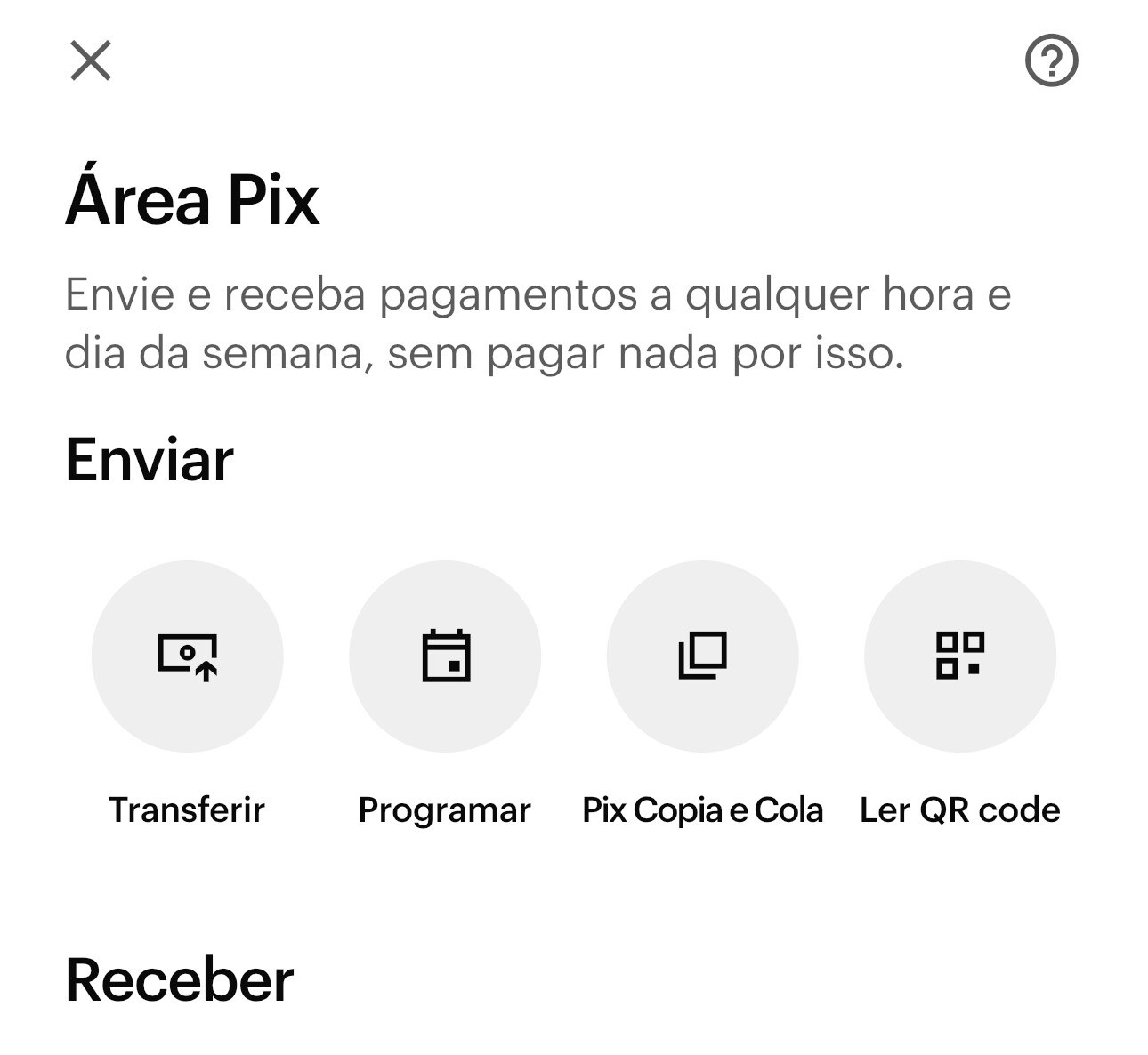
The app also connects to Pix, Brazil’s instant-payment system run by the central bank. Pix transfers are free for individuals, so they earn Nu little directly. What they do is bring customers into the app every day, which makes it easier to sell them credit.
What Nubank is not, at least not yet, is a licensed bank in every market. In Brazil it has operated as a regulated financial and payment institution, and it is buying a banking licence. In the United States it works through a partner bank. Both points matter and are explained below.
The numbers: what the latest results show
The latest reported results cover the second quarter of 2026, the three months to 30 June. Nu Holdings published them on 13 August 2026. All figures are in US dollars, and growth rates are at constant exchange rates.
Revenue was US$5.88 billion, up 39 percent on a year earlier. Net income was US$1.06 billion, up 49 percent. It was the first quarter in the company’s history in which profit passed US$1 billion. Our report on the quarter has the detail.
For scale, that single quarter’s profit is more than a third of what Nu earned in the whole of 2025. Its annual report puts 2025 net income at US$2.9 billion, on revenue of US$15.8 billion.
Return on equity, which measures profit against the money shareholders have in the business, was 33 percent. A year earlier it was 28 percent. It means Nu earned 33 cents a year for every dollar of shareholders’ equity.
The loan book reached US$39.4 billion. Of that, US$26 billion was credit cards, US$10.3 billion unsecured personal loans and US$3.1 billion secured loans. Deposits were US$45.3 billion, of which US$36.4 billion sat in Brazil. Nu holds more in deposits than it lends out.
Bad loans are the number to watch. Loans more than 90 days overdue were 6.9 percent of the book, up from 6.5 percent a year earlier. Loans 15 to 90 days late, an early-warning signal, were 4.8 percent.
Costs are where Nu stands apart. The average active customer brought in US$17.1 of revenue a month and cost about US$1 a month to serve. Its efficiency ratio, which compares operating costs with income, was 19.5 percent. Lower is better.
Nu says AI agents now handle more than 60 percent of customer-support conversations in Brazil. That is one reason the cost to serve stays so low as the customer base grows.
Live Company IntelligenceNu Holdings Ltd — the full investor dossierInside: live share price, market cap, three-year financials, valuation, ESG and peer benchmarks — plus the latest Rio Times coverage.N
◆ Live Company Intelligence
Nu Holdings
NYSE: NUNUBANKFinancial ServicesBanks – Regional
$65.65B
Market cap
Analyst target $18.69
Wall Street view
3.7Moderate Buy/ 5
11 Buy7 Hold2 Sell
Avg. price target $18.69 · +26% vs 200-day
Valuation & profitability
Market cap$65.65B
Revenue (TTM)$8.44B
P / E ratio18.6
Profit margin42.7%
Return on equity31.6%
Price & risk
52-wk low
$11.2052-wk high
$18.98
Beta (volatility)0.94
200-day average$14.82
Revenue trend · 6y
20202025
Latest $15.88B
Ownership
Institutions82.2%
Shares outstanding3.81B
Top holderBlackRock Inc
Institutional holders5+ funds
Dividend
No regular dividend — earnings reinvested for growth.
What Nu Holdings does. Nu Holdings Ltd. provides digital banking platform in Brazil, Mexico, Colombia, the Cayman Islands, and the United States. The company provides spending solutions comprising Nu credit and prepaid card, a digitally enabled card that acts as a credit and a prepaid card; Nubank+ Tier, an evolution of the Nu experience; Ultraviolet credit…
Owners and management
The listed company is Nu Holdings Ltd., registered in the Cayman Islands. That structure is common for Latin American companies listed in New York. It does not mean the bank operates from the Caribbean. Its headquarters are in São Paulo.
Nu listed on the New York Stock Exchange in December 2021 at US$9 a share. Its Class A shares trade under the ticker NU. Investors in Brazil can buy them on the São Paulo exchange as depositary receipts, under the code ROXO34.
David Vélez, the Colombian co-founder, is chief executive. He holds super-voting Class B shares. The company’s 2025 annual report says these give him 74.3 percent of the votes. In practice, outside shareholders cannot overrule him.
Cristina Junqueira, the Brazilian co-founder, is chief growth officer and chief executive of the US business, which is run from Miami. Lívia Chanes has run Brazil since January 2024 and the whole of Latin America since 15 July 2026.
Robert Livingston became chief financial officer in July 2026. Roberto Campos Neto, who governed Brazil’s central bank until the end of 2024, joined in July 2025. He is executive vice-chairman and global head of public policy.

Its role in the market
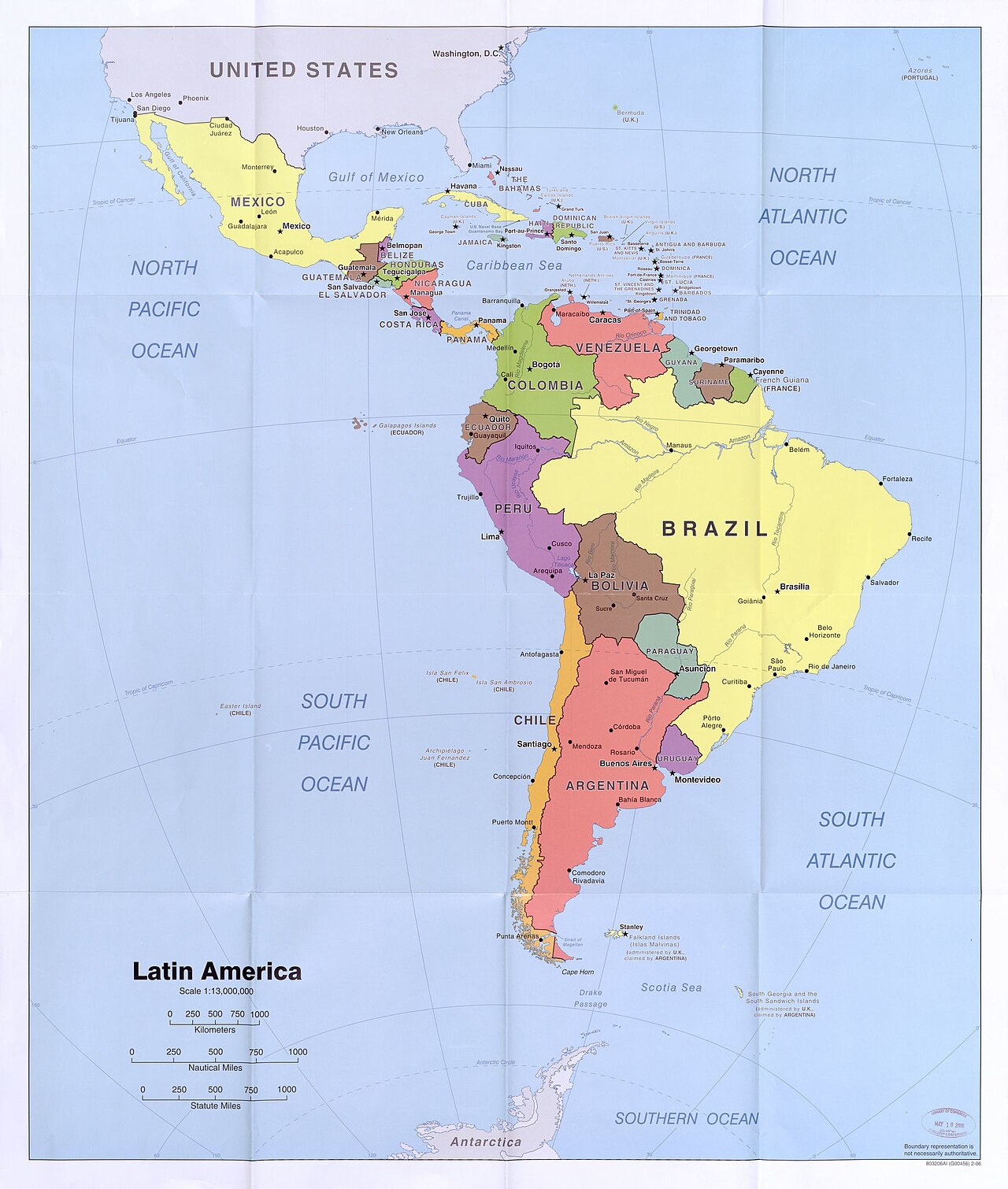
Nubank describes itself as the largest digital bank in Latin America. On customer numbers the claim is hard to dispute. In Brazil, almost 118 million customers in a country of more than 210 million people makes it a household name.
Customers are not the same as money, though. Brazil’s big incumbent banks, such as Itaú Unibanco, Banco do Brasil, Bradesco and Caixa, are older and lend far more to companies. On stock-market value, Itaú was still ahead of Nu in September 2026, The Rio Times reported. The digital rivals include Banco Inter, C6 Bank, PicPay and Mercado Pago; our guide to Brazil’s fintechs and digital banks compares them.
Mexico is the second market. Nu launched its bank there in August 2026. By its own count, that made it the country’s largest digital bank, with 16 million customers in July. It reaches 16.5 percent of Mexican adults, which the company compares with Brazil in 2020.
Colombia is the third, with more than 5 million customers. The unit plans to invest about 5 trillion pesos (about US$1.5 billion, at 3,357 pesos to the dollar) by 2030. Vélez has called Colombia’s legal interest-rate ceiling, known as the usury cap, the biggest obstacle to financial inclusion. In September 2026 Colombia’s president named him an unpaid adviser on artificial intelligence.
The United States is the newest. Nu began serving US customers on 10 September 2026 through a partner, Lead Bank, which carries deposit insurance. The offer includes a savings account paying 3.50 percent and a cashback credit card.
Its own national bank charter has only conditional approval. The Office of the Comptroller of the Currency, the federal bank regulator, granted it at the end of January 2026. Approvals from the Federal Reserve and the Federal Deposit Insurance Corporation were still outstanding as of September 2026. We explain why Nubank entered without its own licence.

Risks and controversies
Credit risk comes first. Most of Nu’s gross profit comes from lending, much of it unsecured credit to ordinary households. When Brazilian families come under strain, late payments rise quickly. The 90-day bad-loan ratio rose to 6.9 percent in mid-2026.
Interest rates come second. Brazil’s policy rate, the Selic, stood at 13.75 percent after a cut on 16 September 2026. High rates lift what Nu earns on float. They also squeeze its borrowers.
Card interest is politically sensitive. A Brazilian law in force since January 2024 caps interest and charges on unpaid card balances. The total cannot exceed 100 percent of the original debt. Nu, as a card-led lender, operates under that ceiling.
Regulation comes third. A joint rule of Brazil’s monetary council and central bank restricts the word “bank” to institutions with a banking licence. On 20 July 2026 Nu agreed to buy a small lender, Banco Porto Real de Investimentos, to obtain one. The deal still needs central bank approval.
Control is the fourth. Vélez’s voting power means minority shareholders have little influence. Because the parent is a Cayman company, shareholder rights follow Cayman law rather than Brazilian or American company law.
Currency is the fifth. Nu reports in dollars but earns mostly in reais and Mexican and Colombian pesos. A weaker real shrinks reported dollar results even when the business grows at home. That is why the company quotes growth at constant exchange rates.
Not every analyst is convinced. Itaú BBA is the investment-banking arm of Itaú Unibanco. On 16 September 2026 it cut Nu to market perform, citing slower profit growth in 2027.
What to watch
The Monzo report. In late September 2026 Sky News reported early-stage talks for Nu to buy Monzo, the British digital bank. The report valued Monzo at £8 billion to £10 billion (about US$10.6 billion to US$13.2 billion, at US$1.32 to the pound). Both companies declined to comment. It is a report, not a deal. We covered what was reported.
Investor Day on 8 December 2026 in New York. It will be Nu’s first, and management says it will set out long-term strategy and growth plans. Any new targets will reset how the market values the shares.
The licences. The Brazilian central bank must approve the Porto Real purchase. In the United States, the conditional charter requires Nu to be fully capitalised within twelve months and open within eighteen.
Bad loans. The third-quarter results cover July to September 2026. They will show whether the rise in 90-day arrears was seasonal, as the company says, or more lasting.
Brazil’s election. The first round is on 4 October 2026, with a possible runoff on 25 October. The result may move the real and the interest-rate outlook, and with them Nu’s share price.
What this means for foreigners and investors
For foreigners living in Brazil, Nubank is one of several digital banks that accept the CRNM migration card. Applicants also need a CPF tax number. It applies a residency filter, and applicants without residence status are routinely declined. Our guide to opening a bank account in Brazil sets out the order of steps.
For investors, NU shares are a bet on Brazilian consumer credit, priced in dollars. At US$13.59 on 25 September 2026, the stock stood about 51 percent above its US$9 listing price of December 2021.
A few things this does not mean. A US account opened with Nu is not yet an account at a chartered Nu bank; the deposits sit with Lead Bank. Owning NU shares is not a deposit and carries no deposit insurance. And the Monzo report does not mean a deal will follow.
For anyone weighing Brazil more broadly, our Brazil explainer covers the politics and economy that drive Nu’s home market.
Sources: Results from Nu Holdings’ second-quarter 2026 release furnished to the US Securities and Exchange Commission, management roles from the company’s investor-relations site, and market prices and exchange rates from market data at the close on 25 September 2026.
- Nu Holdings — Second Quarter 2026 results, Form 6-K, 13 August 2026
- Nu Holdings — Annual Report on Form 20-F for 2025, 8 April 2026
- Nu Holdings — management team
- Nubank — agreement to acquire Banco Porto Real de Investimentos, 20 July 2026
- Nu Holdings — Investor Day on 8 December 2026
- Reuters — Monzo in talks on sale to Nubank, Sky News reports, 26 September 2026
- Senado Federal — credit-card interest cap under Law 14,690/2023
- Banco Central do Brasil — Selic target series
What Is Not Known
Whether a Monzo deal happens. The talks rest on one media report, both banks declined to comment, and no terms or filings exist. Monzo was also reported to be weighing a new funding round instead.
When Nu becomes a chartered US bank. The Federal Reserve and the deposit insurer have not yet ruled, and no date has been published. Until then, the US business depends on Lead Bank.
When Brazil’s central bank approves the Porto Real purchase. The company has given no timetable, and the approval process is not public.
Whether credit quality holds. The rise in 90-day arrears in mid-2026 may be seasonal, as Nu says. Brazilian household debt, the election and the path of interest rates will decide that, and none can be forecast with confidence.
Whether Colombia loosens its usury cap. Vélez wants it scrapped or overhauled, but no bill to do so had been published as of September 2026.
Frequently Asked Questions
What is Nubank?
Nubank is a Brazilian digital bank with no branches, run through a phone app. Its parent, Nu Holdings, is listed in New York and served 138.9 million customers in Brazil, Mexico and Colombia at the end of June 2026. It began in 2013 with a no-fee credit card.
Is Nubank a real bank?
It is regulated, but not a licensed bank everywhere. In Brazil it has operated as a regulated financial and payment institution and agreed in July 2026 to buy a small bank to obtain a full licence, pending central bank approval. In Mexico it launched as a bank in August 2026. In the United States it works through a partner, Lead Bank.
Who owns Nubank?
Nu Holdings Ltd. is a public company registered in the Cayman Islands, with shares traded on the New York Stock Exchange as NU. Co-founder and chief executive David Vélez holds super-voting shares that give him 74.3 percent of the votes, according to the company’s 2025 annual report.
Can a foreigner open a Nubank account in Brazil?
Residents usually can, with a CPF tax number and the CRNM migration card. Nubank applies a residency filter, and applicants without residence status are routinely declined. Approval is always at the bank’s discretion.
Is Nubank buying Monzo?
Not as of 27 September 2026. Sky News reported early-stage talks valuing Monzo at £8 billion to £10 billion, about US$10.6 billion to US$13.2 billion. Both companies declined to comment, and no deal has been announced.
How does Nubank make money?
Mostly from lending. In the second quarter of 2026, credit produced 41 percent of gross profit, income earned on customer deposits 34 percent and fees 25 percent. Very low running costs, about US$1 a month per active customer, keep margins high.