By The Diplomat | Created at 2026-09-02 17:46:43 | Updated at 2026-09-30 06:23:20
3 weeks ago
By The Diplomat | Created at 2026-09-02 17:46:43 | Updated at 2026-09-30 06:23:20
3 weeks ago
U.S. President Donald Trump last week announced the launch of an extensive new sanctions campaign against Iran. The U.S. government has described “Operation Economic Outcast” as an “economic D-Day” against Iran.
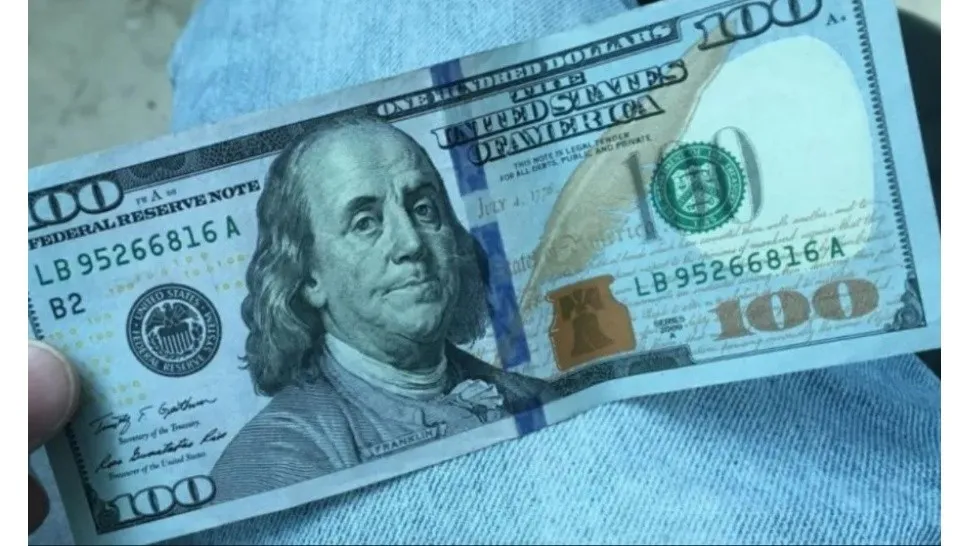
On August 24, U.S. Treasury Secretary Scott Bessent called the move an unprecedented effort to sever every remaining economic lifeline that is sustaining the Iranian government. The newly announced sanctions are set to target key sectors, including digital assets, technology, gold, aviation and shipping. Another part of these sanctions is aimed at warning countries and companies that continue to deal with Iran that they risk exclusion from the U.S. financial system.
The announcement has drawn concern and criticism from several countries that maintain economic ties with Iran and stand to be directly affected by these sanctions threat.
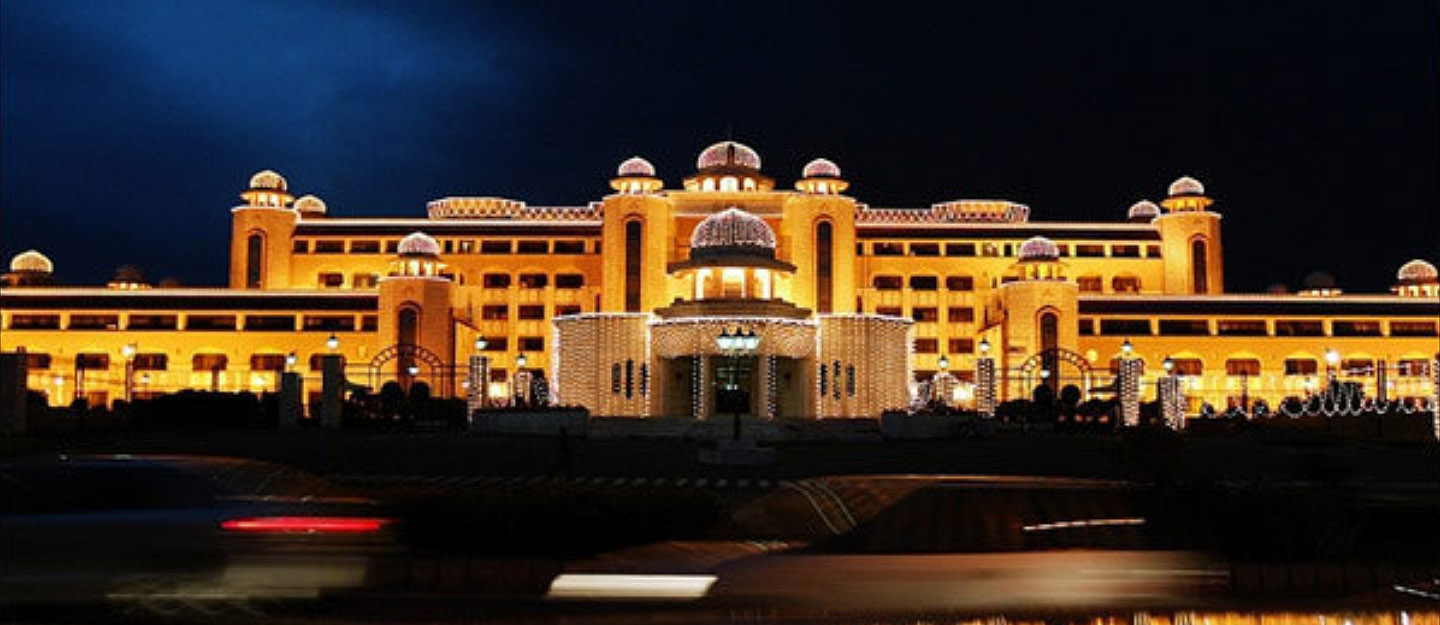
Pakistan’s response to news of the U.S. sanctions against Iran has been measured, signaling that it has little intention of changing its current approach of working with Iran.
Islamabad appears unwilling to subordinate its bilateral economic relationships to Washington’s latest unilateral dictates. The Foreign Office issued a carefully worded statement that can be read less as concern over American pressure and more as a quiet assertion of its policy continuity.
Foreign Office Spokesperson Tahir Andrabi made clear that Pakistan’s trade with Iran rests on international law and the two countries’ bilateral agreements. “About trade with Iran, Pakistan is following international law, and our bilateral trade agreements with Iran,” Andrabi said at the weekly media briefing. “As such, our trade remains in consonance with our obligations.”
The language appears to deliberately prioritize Pakistan’s commitments to Iran over any expectation of compliance with American secondary sanctions. Interestingly, there was no suggestion of a review or suspension of commercial ties between the two countries. At the same time, the foreign office’s emphasis remained on continuity of ties between Pakistan and Iran under existing legal frameworks.
Pakistan’s position reflects a careful balancing act.
On the one hand, it sends a clear signal to Tehran that Islamabad will not undermine a relationship or existing trade ties that have long faced pressure from U.S. sanctions. This stance underscores a commitment to preserving and potentially building new momentum in bilateral engagement with Iran.
On the other hand, Pakistan has avoided directly criticizing the American measures. Instead, it has placed the newly announced sanctions within the broader context of the Iran-U.S. confrontation, which Pakistan is trying to address through its mediatory efforts.
For instance, Andrabi stated that “Pakistan hopes that, as part of a wider settlement of the U.S.-Iran standoff, all economic issues will also be settled in the long run, as they form an important part of a viable settlement.”
“Pakistan remains engaged in its mediatory role in this regard,” he added.
By framing the matter this way, Pakistan effectively declined to address the sanctions as a bilateral problem between itself and Washington. Instead, it positioned itself as a facilitator seeking a comprehensive diplomatic outcome in which trade and economic questions would logically be addressed.
Moreover, Pakistan’s careful response reflects a broader assessment in the international community that the latest U.S. measures reveal more desperation than a well-calibrated approach.
Iran has lived under layers of U.S. sanctions for decades. These also include penalties on foreign companies trading or dealing with Iran. While these restrictions may have constrained Iranian oil exports and imposed painful economic costs on the country, they have not fundamentally altered Tehran’s core positions. The question now is whether a fresh unilateral campaign that lacks the backing of a multilateral body or a clear basis in international law can succeed where previous efforts have fallen short.
According to reports, these new pressure measures could become more consequential if Washington can manage to close the remaining trade channels that have survived earlier rounds of sanctions, particularly those involving China and Iran’s immediate neighbors, like Pakistan. However, achieving that outcome appears unlikely.
China has already signaled its firm resistance to the U.S. measures. Its Foreign Ministry Spokesperson Lin Jian stated last week that Beijing firmly opposes “illegal unilateral sanctions” and will take “all necessary measures” to safeguard its rights and interests. “Cooperation between China and Iran has always been conducted within the framework of international law and should not be interfered with or disrupted,” he said.
It is noteworthy that both Pakistan and China have framed their responses around adherence to international law. This shared language effectively denies legitimacy to unilateral U.S. measures that lack United Nations authorization.
Analysts note that such sanctions often function more as rhetorical escalation than as channels capable of producing decisive change on the ground. Their primary cost may ultimately be borne by Washington’s own reputation. This is arguably more true as the gap between unilateral pressure and multilateral consensus has become harder to ignore in the wake of the ongoing Iran-U.S. tensions.
In this context, Pakistan’s position seems measured, and reflects an understanding that these new sanctions are not going to work and that issues with Iran should be addressed via dialogue. Pakistan’s response essentially avoids direct confrontation with the U.S. while quietly aligning itself with a wider international sentiment that questions the efficacy and legality of Washington’s sanctions.
By insisting on the primacy of international law, bilateral agreements, and a comprehensive diplomatic settlement, Islamabad is trying to protect its own economic interests while making sure it doesn’t close the door on its mediatory role between Iran and the United States.