 By The Washington Times (Politics) | Created at 2026-08-25 22:16:02 | Updated at 2026-09-26 15:00:05
1 month ago
By The Washington Times (Politics) | Created at 2026-08-25 22:16:02 | Updated at 2026-09-26 15:00:05
1 month ago
With states and schools struggling to control themselves, Congress is eyeing an intervention into collegiate athletics that would set national standards for students’ compensation and try to preserve some of the athletic conference system.
Led by Sen. Ted Cruz, the bipartisan legislation is dubbed the NIL bill because it would create national rules for the name, image and likeness system that pays student-athletes.
It was rushing through the Senate in early August but didn’t make it over the finish line before lawmakers ditched out for a summer vacation. The start of the college football season seems likely to push it back onto senators’ agenda.
The bill’s backers said they are aiming for a vote in September, once the Senate is back.
“The Protect College Sports Act creates clear, national eligibility rules instead of leaving college sports trapped in endless legal chaos,” Mr. Cruz said last week in pushing for action.
The core of the bill is the creation of national NIL standards, heading off a patchwork of laws and bills that emerged in dozens of states.
It would professionalize the treatment of student-athletes, guaranteeing them the right to profit from their participation and forcing schools to abide by new standards for scholarships, medical care and the ability of athletes to transfer schools.
The current version also seeks to force schools to keep funding less popular sports and sets rules for how schools can pool their revenue, which sponsors said should stabilize college budgets and prevent them from having to raid academics or charge new student fees to pay the athletes.
Armies of lawyers have been working on the bill, with schools, states, athletic conferences and pro sports leagues all showing interest in the outcome.
The Big Ten and Southeastern Conference, two powerhouse collegiate athletic conferences, had opposed an earlier version of the bill, saying it could undercut their own media deals.
They now support the bill, after Mr. Cruz and Sen. Maria Cantwell, the leading Democrat, made changes in late July.
Student-athletes had traditionally been constrained by NCAA rules, which blocked them from profiting from their participation, save for scholarships and other school benefits.
In 2021, the NCAA reversed course and allowed students to negotiate deals for their name, image and likeness.
The NCAA then reached a court settlement that allowed schools to directly pay athletes through revenue-sharing, supplanting the athletic booster “collectives” that had been paying.
Now money is swamping the big sports, with top college football players earning millions of dollars, though the majority of players collected less than $10,000 in 2025, according to Forbes.
The rise in athletic budgets is putting a squeeze on school budgets, with some asking students to pay “athletics fees” to help pay their sports stars.
Mr. Cruz said the current version of the Protect College Sports Act now has backing from 28 collegiate athletic conferences and more than 370 individual schools.
He called the bill “our last best chance to preserve one of America’s great unifying traditions for the athletes who compete and the fans who fill the stands.”
Mr. Cruz and other Senate backers were pushing for a vote on the legislation earlier this month, hoping for passage before the chamber decamped for its summer vacation.
That plan stumbled.
Among the opponents is the AFL-CIO, the labor union umbrella organization, which said the bill blocks student-athletes from full collective bargaining powers.
The AFL-CIO said courts and some states are moving toward more power for students and the Senate bill would thwart that trend, restoring momentum to the big athletic conferences.
“We urge you to stand up for athletes and vote no,” the organization told senators.
The Congressional Black Caucus also announced its opposition to the current bill, saying the Black athletes and coaches who are often at the heart of big college sports were sidelined in the negotiations. The caucus even compared negotiations to Jim Crow-style laws restricting Black voter participation.
“While many in this debate view this as a matter of collegiate athletics, the Congressional Black Caucus maintains that this is about political representation. It is about economic opportunity. It is about whether those whose talent built college athletics will have a meaningful voice in determining its future,” the caucus said.
Sen. Bill Cassidy, Louisiana Republican, has also been vocal about his worries.
He points to football players who are taking a single class to allow them to stay on the field.
“We are seeing too many cases where the ‘student’ in student-athlete is becoming optional,” he said.
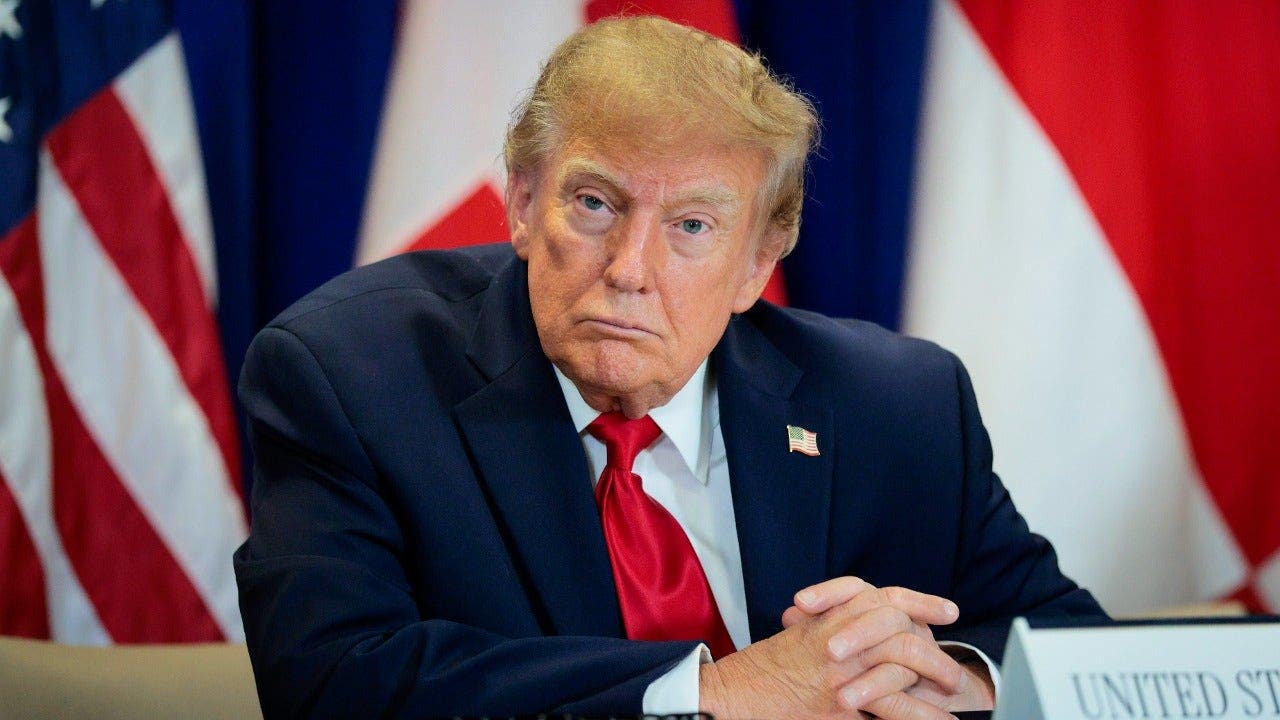
On the other side is President Trump, who tried to cajole the Senate into action earlier this month and who has weighed in with his own executive order in April.
His “Urgent National Action to Save College Sports” order directed agencies to review their grants to schools and see if they can be used as leverage to force universities to cool off, and instructed the Justice Department to “take appropriate measures” to block state laws that undercut national standards.
Mr. Trump complained that some states were structuring their laws to help their major universities compete for big-name athletes. He said that created a “financial arms race” that threatened to impoverish schools as they pump money into football and basketball, at the expense of sports that draw smaller crowds.
When the Senate looked like it might vote in early August, Mr. Trump pushed for passage.
“Without this Bill, millions of young Athletes will be hurt, programs will be canceled, Women’s and Olympic Sports will go away, the fans will be robbed, and Universities will go broke,” he said on social media.
Even if the Senate clears the bill, it would still need action in the House.
A bill addressing NIL standards cleared committee last year and was slated for a vote in the full House in December. But the vote never took place.