By South China Morning Post | Created at 2026-09-09 11:52:07 | Updated at 2026-09-09 12:43:41
1 hour ago
By South China Morning Post | Created at 2026-09-09 11:52:07 | Updated at 2026-09-09 12:43:41
1 hour ago
At 18, Martin Taborda began studying law at Argentina’s prestigious University of Buenos Aires, hoping to become the first in his family to graduate. Just two years later, that dream has slipped out of reach.
Unemployed and US$1,300 in debt, he can no longer afford the bus fare from his suburb or the books he needs to keep studying – even at a tuition-free university that has helped generations of Argentines climb into the middle class.
He’s not alone. Nearly half of Argentina’s 45 million people owe money, and more than 5 million are behind on payments, according to the Centre for City Studies, an Argentine non-profit that tracks debt using central bank data. Borrowers under 25 have the highest delinquency rate of any age group, at 37.6 per cent.
“There’s hardly any work for anyone in this country right now,” said Taborda, who borrowed the equivalent of just over US$100 through a mobile payment app in 2024 for education expenses. His debt swelled tenfold as interest accrued on missed payments. Forced to rely on others, he said, “You start to feel like a parasite.”
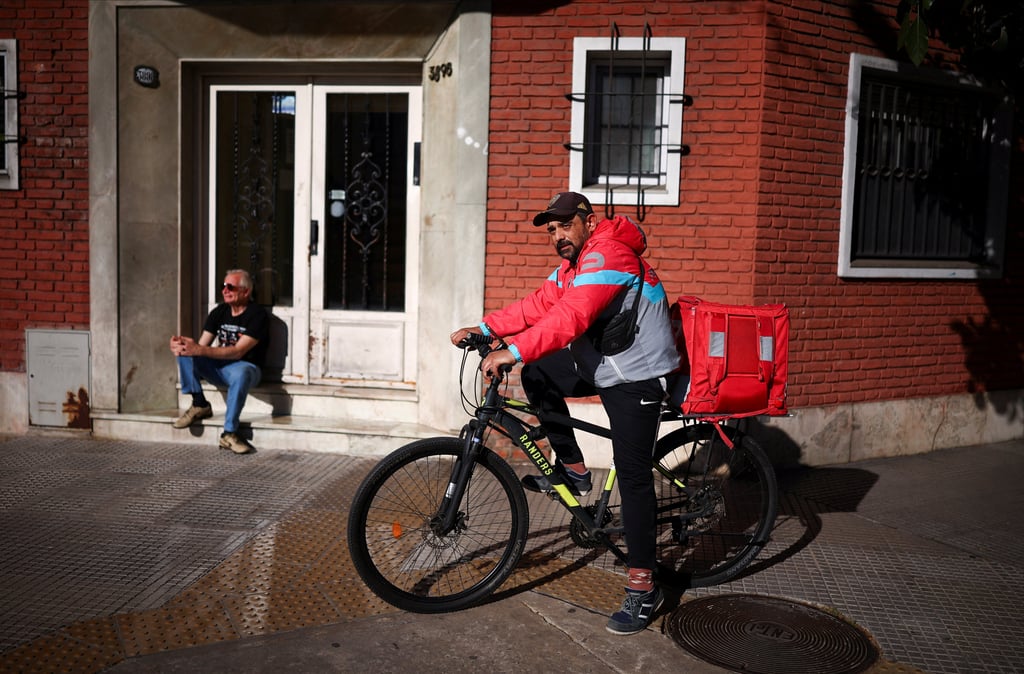
A new wave of household debt is testing support for President Javier Milei among the young Argentines who helped elect him, and offering the nation’s fragmented opposition an opening to rally disillusioned voters ahead of next year’s presidential election.