By The Rio Times | Created at 2026-06-23 15:01:34 | Updated at 2026-06-23 17:09:15
2 hours ago
By The Rio Times | Created at 2026-06-23 15:01:34 | Updated at 2026-06-23 17:09:15
2 hours ago
AFRICA · MUSIC
Key Facts
—June 20-21: Africa Oyé returned to Liverpool’s Sefton Park for its 2026 edition.
—The UK’s biggest: It is Britain’s largest free celebration of African and Caribbean music.
—A pan-African bill: Headliners include Mali’s Fatoumata Diawara and Nigeria’s Patoranking.
—More than Afrobeats: The lineup spans desert blues, Congolese sounds, Togolese roots and more.
—Beyond the stage: More than 100 stalls sell African food, crafts and fashion in the “Oyé Village.”
—Free to all: The festival has long kept entry free, drawing big, mixed crowds.
Africa Oyé, the United Kingdom’s biggest free celebration of African and Caribbean music, returned to Liverpool over the weekend with a pan-African bill led by Mali’s Fatoumata Diawara and Nigeria’s Patoranking. The festival is a reminder that the continent’s musical reach runs far wider, and far deeper, than the Afrobeats hits that dominate global charts.
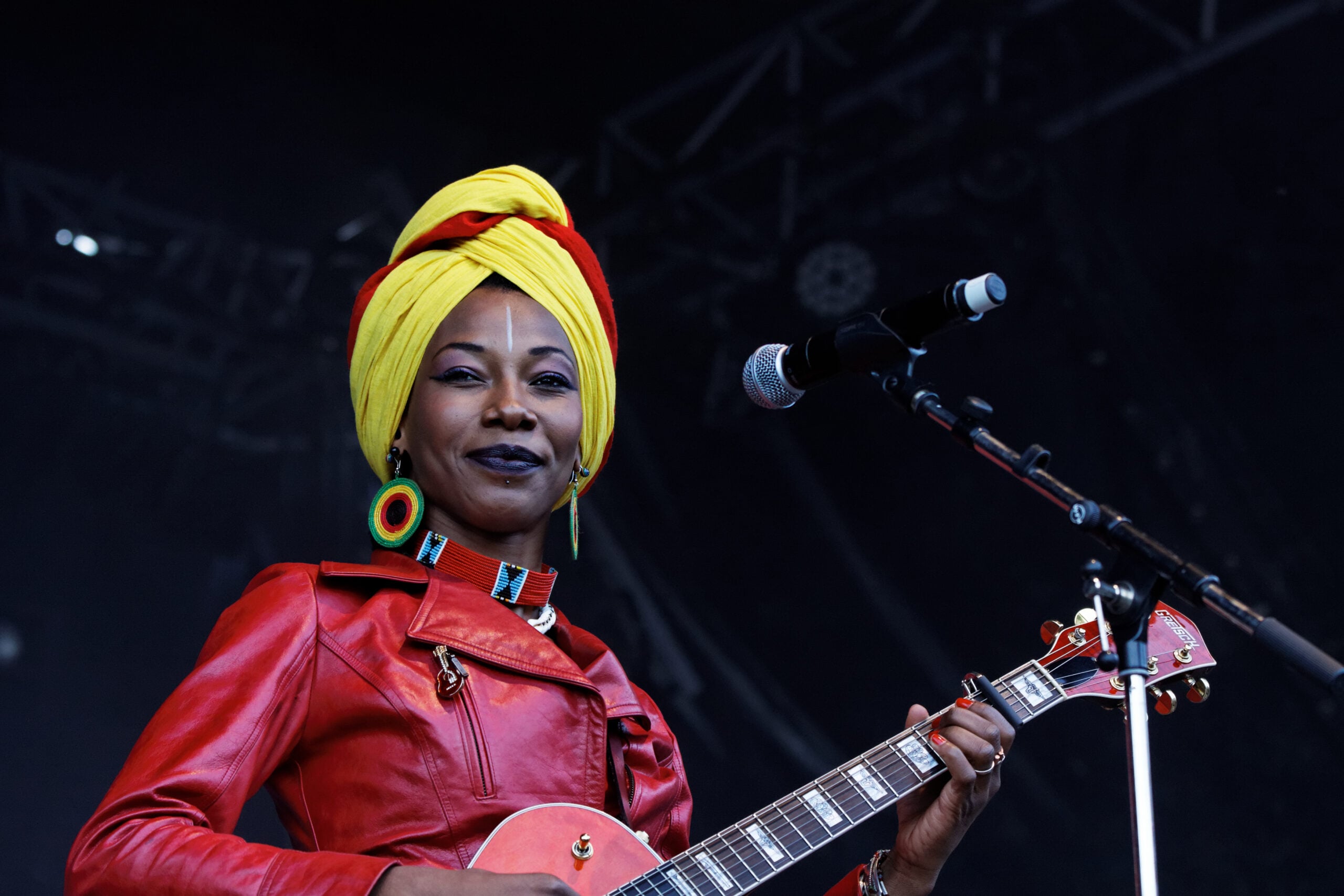 Malian star Fatoumata Diawara, a headliner at Africa Oyé in Liverpool. (Photo: Thesupermat, CC BY-SA 3.0, via Wikimedia Commons)
What Africa Oyé is
Africa Oyé is Britain’s largest free festival of African and Caribbean music and culture. It unfolds each summer in Liverpool’s Sefton Park, drawing tens of thousands over a single weekend.
This year’s edition ran on June 20 and 21. After decades of growth, it has become a fixture of the UK festival calendar.
Crucially, it remains free to enter. That openness has helped it build one of the most diverse crowds in British music.
Volunteers and a small core team stage it each year against tight budgets. Its survival as a free event is itself an achievement.
A pan-African lineup
The 2026 bill stretched across the continent and its diaspora. Mali’s Fatoumata Diawara, a star of West African desert blues, shared the billing with Nigeria’s reggae-and-dancehall hitmaker Patoranking.
Around them came a wide cast, from Togo’s Nana Benz Du Togo to the DR Congo’s junk-instrument punk band Fulu Miziki. Mozambique’s veteran group Ghorwane and British lovers-rock icon Janet Kay added further range.
It was a lineup built on breadth, not just star power. Few festivals showcase so many corners of African music at once.
Booking such a spread takes deep knowledge of the continent’s scenes. The result rewards the curious listener.
Veteran acts shared stages with younger artists finding new audiences. The mix kept the bill feeling alive.
More than Afrobeats
Global pop has fixed on Afrobeats, the Nigerian-born sound now topping charts worldwide. Africa Oyé tells a fuller story.
Its stages mix genres and generations, from ancient traditions to electronic experiments. The result is a map of a continent’s music rather than a single hit factory.
For listeners who know only the chart-toppers, it is an education. The variety is the point.
Desert blues from the Sahel, rumba from Central Africa and roots reggae from the Caribbean all shared the bill. Each carries its own history.
The Oyé Village
Beyond the music sprawls the “Oyé Village,” a marketplace of more than 100 stalls. They sell African and Caribbean food, drink, crafts and fashion.
A new Family Zone this year added activities for children and older visitors. The festival has always been as much community gathering as concert.
Together they turn a park into a cultural crossroads for a weekend. The economy of the event runs well beyond ticketing.
For many traders, the weekend is a rare shop window for their work. Culture and commerce mix easily here.
Why it matters
Festivals like Oyé are a vehicle for Africa’s cultural soft power abroad. They carry the continent’s sounds and stories to new audiences.
By staying free, Oyé widens that reach. It puts African music in front of people who might never seek it out.
It also gives diaspora communities a place to see themselves reflected. Representation, on a big stage, carries weight.
Liverpool gains too, with visitors filling the city for the weekend. A free festival can still be good business for its host.
The diaspora bridge
Liverpool has one of Britain’s oldest African and Caribbean communities. Oyé grew from that heritage and still celebrates it.
The festival is a reminder that African culture travels through its diaspora as much as its charts. Those communities keep the connection alive.
It is a North-meets-South exchange played out on a Sunday in a city park. The crowd is the bridge.
Cities across Europe and the Americas host similar gatherings. Together they form a global circuit for the continent’s culture.
What to watch
Oyé sits within a fast-growing circuit, from Afrobeats mega-festivals to roots gatherings. The appetite for African music abroad keeps rising.
The question is how far that interest reaches beyond a handful of stars. Festivals like this one are quietly widening the door.
As demand grows, so does the commercial pull on once-grassroots events. Keeping Oyé free will be its enduring test.
Still, its grassroots spirit has proved durable for decades. That history is reason for optimism.
Frequently asked questions
When and where is Africa Oyé 2026?
It took place on June 20 and 21, 2026, in Liverpool’s Sefton Park.
Who headlined Africa Oyé 2026?
Headliners included Mali’s Fatoumata Diawara and Nigeria’s Patoranking, among a wide pan-African lineup.
Is Africa Oyé free?
Yes. Africa Oyé is the UK’s biggest free celebration of African and Caribbean music.
What else happens besides music?
An “Oyé Village” of more than 100 stalls sells African food, crafts and fashion, with a new Family Zone added in 2026.
The Rio Times · Power Map
See who really holds power in Latin America
Click to open the Power Map →