By The Rio Times | Created at 2026-06-23 16:36:43 | Updated at 2026-06-23 17:53:27
1 hour ago
By The Rio Times | Created at 2026-06-23 16:36:43 | Updated at 2026-06-23 17:53:27
1 hour ago
Markets · Brazil · Sovereign Debt
— Key Facts
—The starting gun. Brazil’s Treasury secretary, Daniel Leal, said the country has formally begun the process to issue its first government bond in Chinese yuan, a so-called panda bond.
—On the ground now. A delegation under acting Finance Minister Dario Durigan is in Beijing and Shanghai from June 24 to 26 to settle the final terms.
—Bigger than a bond. The trip also covers green-finance vehicles, the BRICS development bank and meetings with monetary authorities, making it a broad financial mission.
—Part of a sequence. It follows an April sale of five billion euros, Brazil’s first euro bond since 2014, as the government adds funding currencies one by one.
—Still blank. The size, maturity, yield and coordinating banks of the yuan bond have all yet to be disclosed.
—Why it matters. The mission shows Brazil treating China as a standing source of capital, not a one-off lender, while Washington watches for de-dollarisation moves.
The Brazil China finance mission this week is built around a single landmark deal, the country’s first bond in yuan, but its real message is that Brasilia now wants Beijing as a permanent stop on its funding map.
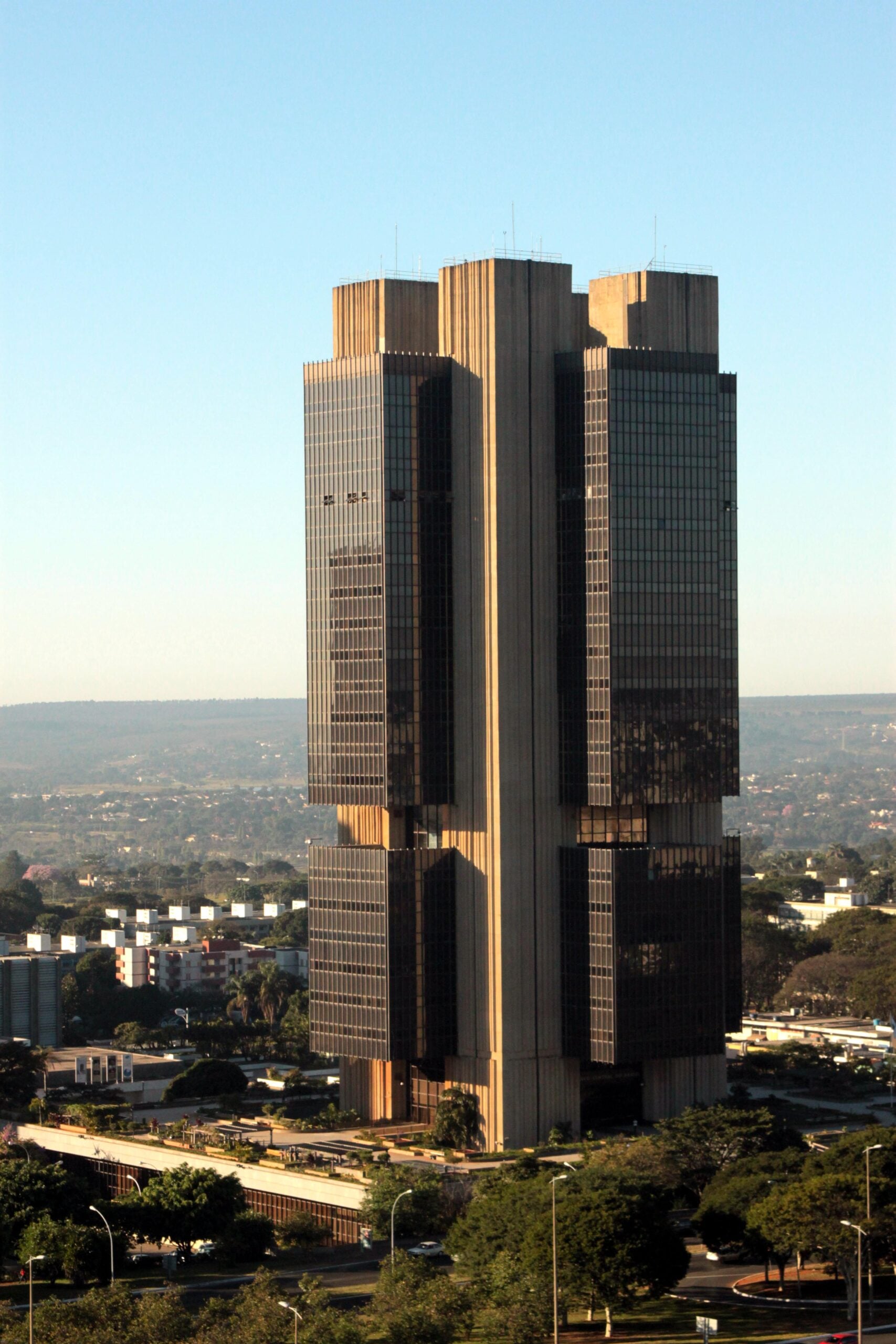 The Banco Central do Brasil headquarters in Brasília, as the country widens its funding currencies. (Photo: Wikimedia Commons)
Brazil has moved from talking about borrowing in China’s currency to actually starting the work. The Treasury secretary, Daniel Leal, said this week that the country had fired the starting gun on its first government bond denominated in yuan.
Such instruments are known in finance as panda bonds, debt sold inside China’s domestic market and priced in yuan rather than the United States dollar. The buyers are Chinese investors, paying in their own money.
The shift from plan to process is the news. A delegation led by acting Finance Minister Dario Durigan is in Beijing and Shanghai from June 24 to 26 to lock down the final numbers.
The Brazil China finance mission is broader than the bond
What sets this trip apart from a routine debt sale is its breadth. The panda bond is the headline, but the same agenda takes in green-finance vehicles, climate and forest-protection projects, and the BRICS development bank.
It is also more than a one-man affair. The central-bank governor, Gabriel Galípolo, was in Shanghai earlier this month, and a Brazil–China financial-cooperation forum ran in Beijing alongside the official meetings.
Read together, those threads point to a strategy rather than a single transaction. Brazil is positioning itself as a regular borrower and partner in the Chinese market, not a visitor passing through once.
The financial plumbing is already in place. The two governments renewed a currency swap worth 190 billion yuan last year, a standing line designed to support trade without routing through the dollar.
The bond would also set a marker for others. By creating a sovereign price reference in yuan, the Treasury makes it easier for Brazilian companies to raise money in China later.
There is already a corporate precedent to build on. The pulp giant Suzano was the regional pioneer in 2024, raising about 1.2 billion yuan, roughly 168 million dollars, on a three-year note priced near 2.8 percent.
A deliberate step away from the dollar
The yuan move is the latest piece of a sequence the government laid out earlier this year. In April it raised five billion euros in its first euro bond since 2014, a sale it called its largest international issuance on record.
The logic is risk management, not ideology. Almost all of Brazil’s foreign debt sits in dollars, and officials say spreading it across the euro and the yuan reduces exposure to any single currency or interest-rate cycle.
The same caution shows in the reserves. Brazil’s central bank has trimmed its dollar holdings to about 72 percent of reserves, the lowest in its recent record, while building gold to the second-largest slot.
There is a clear catch. Brazil collects taxes in reais but would repay this debt in yuan, so a stronger Chinese currency would lift the real cost, and the yuan market is shallower than the dollar’s.
Politics hangs over all of it. With the United States already pressing Brazil on trade, any step that trims dollar reliance is read in Washington as a de-dollarisation signal, even when Brasilia calls it plain treasury management.
What to watch this week
The terms are the test. Until the delegation reports, the size, maturity, yield and the banks running the deal remain unknown, and those numbers will show how much appetite Chinese investors really have.
For an outside investor, the read is simple. A modest debut would signal intent, while a larger, keenly priced deal would mark China as a genuine new pillar of Brazil’s funding.
Frequently Asked Questions
What is the Brazil China finance mission this week?
It is an official Brazilian government trip to Beijing and Shanghai on June 24 to 26, led by acting Finance Minister Dario Durigan. Its headline is Brazil’s first yuan bond, but it also covers green finance and the BRICS development bank.
What is a panda bond?
It is debt that a foreign borrower sells inside China’s domestic market and prices in yuan instead of dollars. Brazil’s would be the first time its government has raised money in the Chinese currency.
Why does the Brazil China finance mission matter to investors?
It signals that Brazil wants China as a standing source of capital, widening its lenders beyond the dollar and the euro. The terms of the yuan bond, still undisclosed, will gauge how strongly Chinese investors back Brazilian risk.
The Rio Times · Power Map
See who really holds power in Latin America
Click to open the Power Map →