 By GB News (World News) | Created at 2026-09-04 10:40:49 | Updated at 2026-10-01 21:59:59
3 weeks ago
By GB News (World News) | Created at 2026-09-04 10:40:49 | Updated at 2026-10-01 21:59:59
3 weeks ago
Fresh research in eastern Turkey has produced new evidence that the remains of Noah's Ark may lie buried beneath the surface.
An international team of scientists has been examining the Durupınar Formation, situated roughly 18 miles south of Mount Ararat, the country's tallest peak.
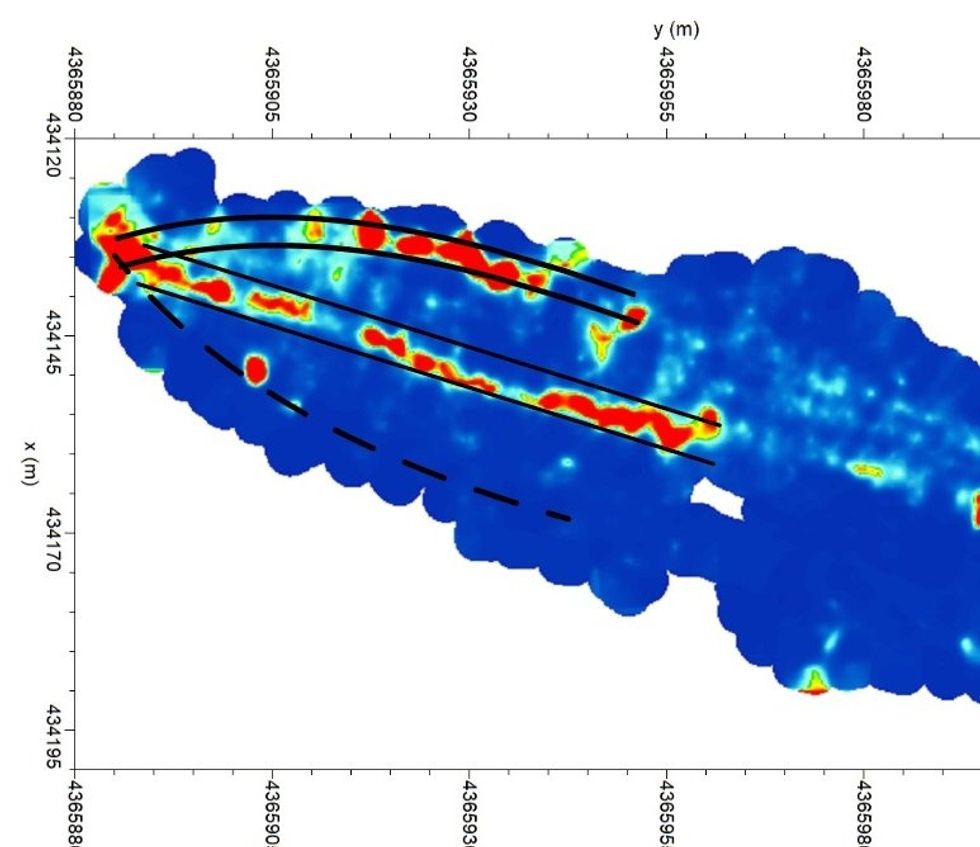
Using advanced three-dimensional ground-penetrating radar, the researchers detected angular underground structures, corridors and interconnected spaces extending as far as six metres below the surface.
Soil samples collected from within the formation's distinctive outline also revealed significantly elevated carbon levels compared with earth gathered just metres away on the same hillside,.
Researchers claimed this raises the possibility degraded organic material, perhaps ancient timber, is concealed within.
Lead archaeologist Dr Cenker Atila highlighted the significance of the carbon disparity, adding: "The amount of carbon coming from the interior of the ship is 40 percent higher than what was found outside...This raises the idea that there may be organic material or remains of wood."
Beyond the carbon readings, the team found that soil within the formation is less alkaline and richer in potassium, precisely the chemical signature one would expect from decomposing timber, according to independent researcher Andrew Jones.
Mr Jones said: "Tests show less than a five percent chance they're random, giving 95 percent confidence that something like a decayed wooden ship is causing them."
A separate radar survey led by Dr Khosrow Bakhtar identified strong subsurface anomalies and multiple distinct layers within the 515-foot-long formation, undermining the theory that it consists of a single uniform mass of rock.
The formation stretches approximately 157 metres in length, a measurement that has excited researchers because it closely aligns with the biblical description of the ark as "300 cubits long, 50 cubits wide, and 30 cubits high".
Modern day researchers say this is equivalent to roughly 515 feet by 86 feet by 52 feet.
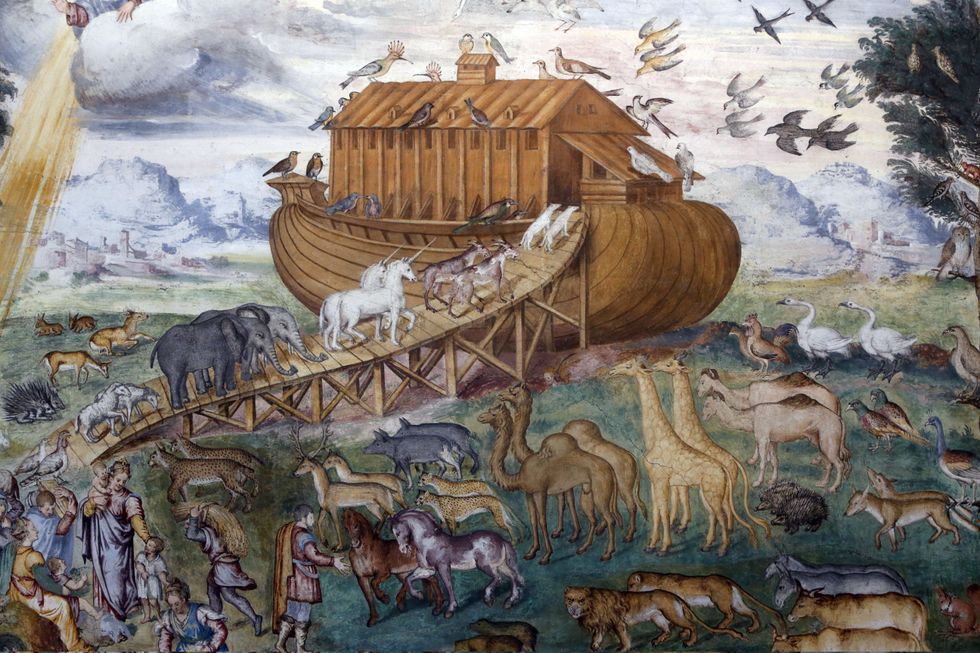
Scripture states that the vessel came to rest on the "mountains of Ararat" after a 150-day deluge that engulfed the Earth, preserving Noah, his family and pairs of every animal species.
The site's origins trace back to May 1948, when heavy rainfall and seismic activity reportedly stripped away surrounding mud, exposing the unusual shape, with a Kurdish shepherd credited with the initial discovery.
Since aerial images brought the formation to wider attention in 1959, it has fuelled decades of debate over whether the structure could represent something more than a quirk of geology.
Despite the team's enthusiasm, researchers were quick to insist the findings were far from conclusive.
The majority of geologists continue to regard the Durupınar Formation as a natural feature shaped by folded rock, mudflow and erosion, and previous geological studies reached the same verdict.
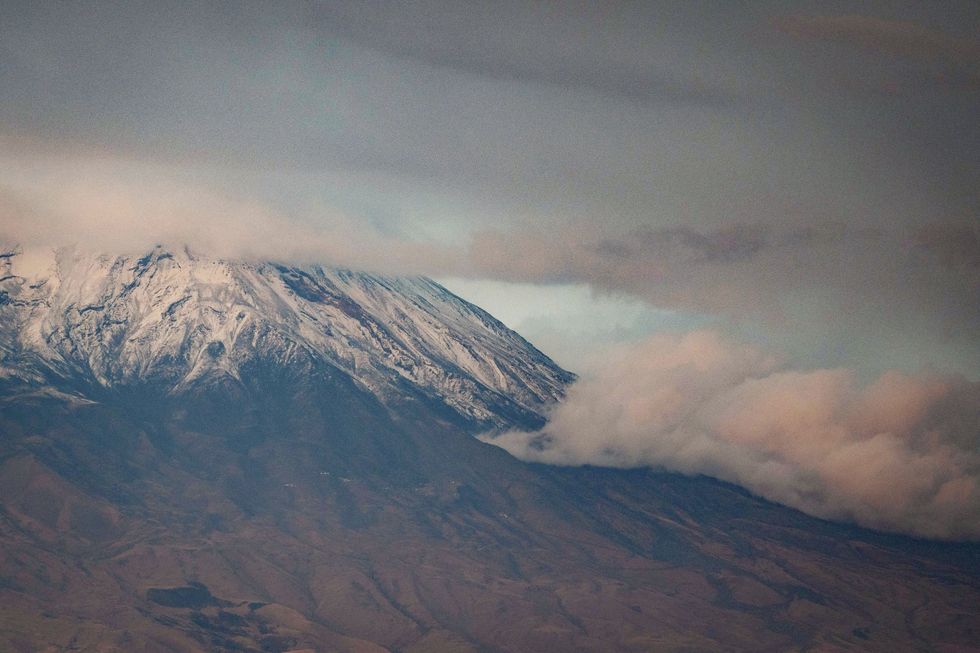
Researchers on Mount Ararat admitted their research is 'preliminary'

GETTY
Crucially, no confirmed fragments of wood, metal or any other man-made material have been extracted from the site.
The latest radar results have also yet to appear in a peer-reviewed scientific journal.
The researchers themselves accept that their evidence is preliminary and that radar anomalies on their own cannot establish an archaeological origin for the formation.
"We believe the Durupınar Formation is the remains of Noah's Ark, and that is exactly why we want to put it through the strongest scientific testing we can," Mr Jones said.