By The Rio Times | Created at 2026-06-22 16:31:31 | Updated at 2026-06-22 18:29:35
2 hours ago
By The Rio Times | Created at 2026-06-22 16:31:31 | Updated at 2026-06-22 18:29:35
2 hours ago
Daily Brief
The morning intel from across Latin America. Free.
By subscribing you agree to our privacy policy. We never share your email.
Markets · Argentina
Key Facts
—The decree. Argentina authorized borrowing up to $5 billion through guaranteed loans, published in the official gazette.
—The purpose. The money is meant to cover roughly $4.5 billion in debt falling due in early July.
—The backers. The World Bank and the development bank IDB are providing partial guarantees.
—The catch. Argentina agreed that disputes would be settled in New York courts, a common but sensitive clause.
—The saving. The guarantees could cut the rate to around six and a half percent, versus nine to ten on a normal bond.
—The stakes. It is another piece of President Milei’s plan to pay creditors without returning to the bond market yet.
The latest move on Argentina debt shows a government determined to meet its bills without selling bonds at punishing interest rates, leaning instead on cheaper loans backed by global lenders.
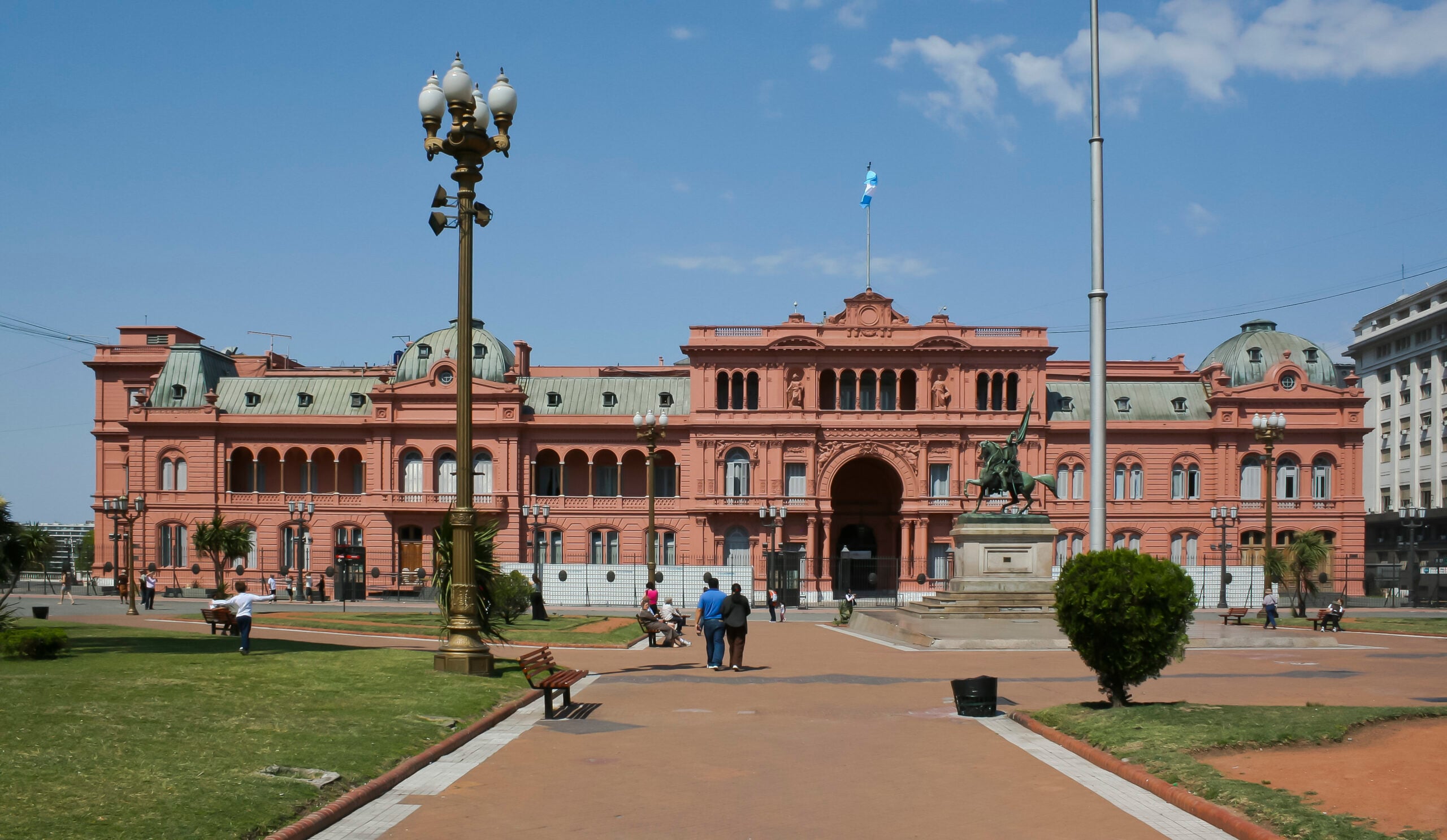 Argentina’s Economy Ministry will arrange the guaranteed loans under the new decree. (Photo internet reproduction)
Argentina has a large debt bill coming due in early July, and it does not want to pay for the money the expensive way. A new decree shows exactly how it plans to dodge that cost.
The government has authorized itself to borrow up to $5 billion through loans guaranteed by global lenders, rather than selling bonds at the steep rates investors would otherwise demand.
What the Argentina debt decree does
The measure was made official through Decree 478, published in the official gazette and signed by President Javier Milei and his economy minister, Luis Caputo.
It lets the Economy Ministry arrange loans of up to $5 billion with international banks. Those loans will carry partial guarantees from the World Bank and the Inter-American Development Bank.
The immediate goal is concrete. The cash is meant to cover roughly $4.5 billion in debt payments falling due at the start of July, without dipping into the central bank’s reserves.
The authorized figure was nudged up. Officials had earlier signalled about $4 billion from the banks, so the decree gives them headroom to raise more if the terms are right.
The New York clause
The most sensitive detail is legal. The decree lets Argentina agree that any dispute over the loans will be settled in the courts of New York rather than at home.
For a country scarred by past battles with foreign creditors, that wording carries weight. It means waiving the usual immunity a state enjoys from being sued in another country’s courts.
The government was careful to limit the exposure. The decree shields the central bank’s reserves, public assets and other strategic property from being seized, even under foreign jurisdiction.
Analysts call the clause routine. A New York jurisdiction is standard in international lending and is designed to reassure creditors, not to surrender sovereignty, one economist noted.
Why the Argentina debt move matters for investors
The logic is all about price. With the guarantees, officials think they can borrow at around six and a half percent, against the nine to ten percent a normal Argentine bond would cost today.
It fits a wider strategy. Caputo has spent the past year stacking up financing from the multilateral lenders and other sources so Argentina can avoid the bond market while its risk premium stays high.
The guarantees are the key. By having the World Bank and the development bank stand behind part of the loan, Argentina borrows on far better terms than its own credit rating would allow.
The bet is that patience pays. Every month Argentina services its debt without issuing bonds is a month its borrowing costs can fall closer to the level that makes a market return worthwhile.
The risks have not vanished. Argentina still faces tens of billions in maturities through the end of Milei‘s term, and investors continue to price in the danger that a future government reverses course.
The forward signal is the rate. If the guaranteed loans price near the level officials hope, it will confirm that Argentina’s slow climb back toward normal market access is on track.
Frequently Asked Questions
What is the Argentina debt decree?
It is a government order authorizing Argentina to borrow up to $5 billion through loans backed by partial guarantees from the World Bank and the Inter-American Development Bank. The aim is to cover roughly $4.5 billion in debt due in early July.
Why does the New York clause matter?
The decree lets Argentina agree that disputes over the loans are settled in New York courts, waiving some legal immunity. It is standard in international lending, and the decree still protects the central bank’s reserves and strategic assets from seizure.
Why is Argentina borrowing this way?
The guarantees should let it borrow at around six and a half percent, far below the nine to ten percent a normal bond would cost. It is part of President Milei’s plan to pay creditors without returning to the bond market while borrowing costs remain high.
The Rio Times · Power Map
See who really holds power in Latin America
Click to open the Power Map →