By The Rio Times | Created at 2026-06-22 18:27:04 | Updated at 2026-06-22 19:54:57
1 hour ago
By The Rio Times | Created at 2026-06-22 18:27:04 | Updated at 2026-06-22 19:54:57
1 hour ago
Travel · Brazil
Key Facts
—The headline. Just five of Brazil’s biggest June festivals will move around 2.4 billion reais ($465 million) in 2026.
—The whole season. Nationwide, the festivals moved roughly 7.4 billion reais ($1.4 billion) in 2025.
—The biggest draw. Caruaru, in Pernambuco, expects four million visitors and twenty thousand jobs.
—The ranking. The June festivals are Brazil’s third-largest economic event, behind only Christmas and Carnival.
—The target market. Argentina, Brazil’s top source of foreign visitors, is being courted directly.
—The stakes. The festivals are a rare cash engine for Brazil’s poorer northeast, not just a cultural showcase.
The Brazil festas juninas season is far more than folklore, as the country’s June festivals now rank among its largest economic events and pump real money into its poorest region.
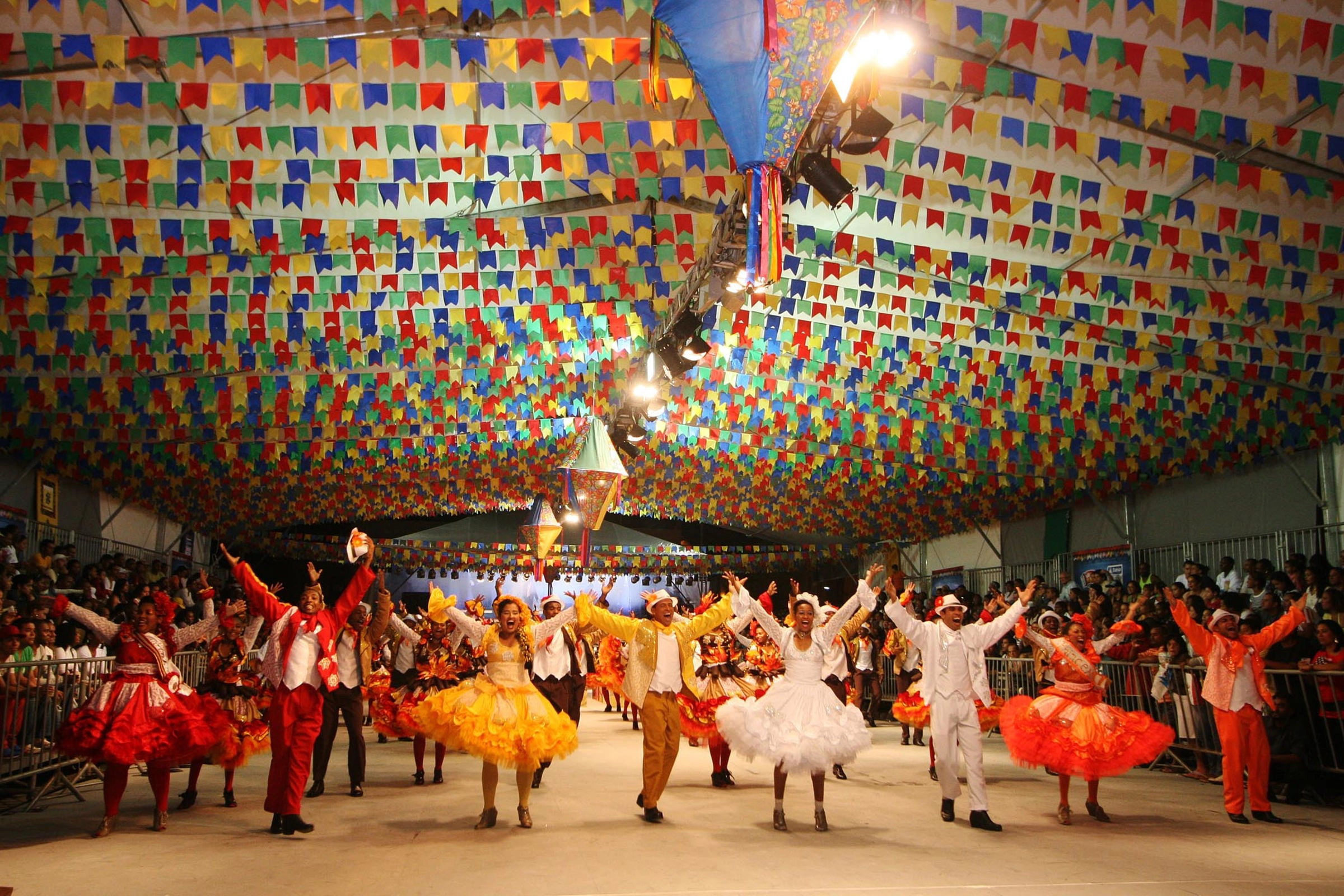
Most foreigners know Brazil’s Carnival. Far fewer have heard of the festivals that fill the country’s calendar every June, yet for much of Brazil they matter just as much.
These are the festas juninas, also called São João after the saint’s day at their heart. And the numbers attached to them this year are striking.
What the Brazil festas juninas season is worth
According to a survey by Brazil’s Tourism Ministry, just five of the biggest celebrations will move around 2.4 billion reais ($465 million) in 2026. That figure covers only the leading destinations, not the hundreds of smaller towns that also host events.
The full national picture is larger still. Across the country in 2025, the festivals moved roughly 7.4 billion reais ($1.4 billion), according to the ministry.
That puts the June season in rare company. The ministry ranks it as Brazil’s third-largest economic event, trailing only Christmas and Carnival, while leading both on direct job creation.
The spending spreads across the whole tourism chain. Airports, hotels, bars, restaurants and thousands of small vendors all feed off the crowds during the month-long cycle.
For many vendors the season is decisive. The festivals are a peak earning window for the small traders, food stalls and stage crews who depend on a few intense weeks of work each year.
A lifeline for the northeast
What makes this different from Carnival is where the money lands. The biggest festivals are concentrated in the northeast, historically Brazil’s poorest region.
Caruaru, in the state of Pernambuco, bills itself as the world’s biggest and best São João. It expects four million visitors and the creation of around twenty thousand jobs.
Campina Grande, in neighbouring Paraíba, calls itself the world’s largest São João and expects 3.5 million visitors and similar takings of about 800 million reais ($155 million).
Smaller hubs add up too. Mossoró, Maracanaú, Petrolina and Aracaju each expect crowds in the millions and economic boosts running from one hundred million reais upward.
The reach goes well beyond the northeast. Festivals in the Amazon, the central plains and the south add hundreds of millions more, spreading the season across every region of the country.
Why the Brazil festas juninas season matters abroad
For investors and operators, the appeal is a reliable annual demand spike in regions that often struggle to attract tourists the rest of the year. The festivals fill hotel rooms and flights that might otherwise sit empty.
The government is treating it as an export opportunity. The Tourism Ministry has been courting South American visitors, staging a promotional event at the Obelisk in central Buenos Aires earlier this year.
The target makes sense. Argentina is Brazil’s single biggest source of foreign tourists, accounting for more than 3.3 million of the record 9.2 million international visitors in 2025.
To widen the reach, the ministry also launched a web and radio series following five northeastern festival towns, aiming to sell the season as a travel product rather than a local tradition.
The forward signal is whether foreign arrivals keep climbing. If Brazil can turn a domestic tradition into an international draw, the June festivals could become a far bigger fixture on the regional travel map.
Frequently Asked Questions
What are Brazil festas juninas?
They are Brazil’s June festivals, also called São João after the saint’s day at their centre. They feature folk music, dancing and typical food, and are especially big across the country’s northeast.
How much money do the festas juninas generate?
Just five of the biggest festivals are expected to move around 2.4 billion reais ($465 million) in 2026. Nationally, the season moved roughly 7.4 billion reais ($1.4 billion) in 2025, making it Brazil’s third-largest economic event after Christmas and Carnival.
Why does this matter for foreign visitors?
The festivals create a reliable annual demand spike in Brazil’s poorer northeast, and the government is actively courting foreign tourists, especially from Argentina. That makes June an increasingly attractive window for travel to the region.
The Rio Times · Power Map
See who really holds power in Latin America
Click to open the Power Map →