By The Rio Times | Created at 2026-08-22 08:16:46 | Updated at 2026-09-25 04:13:36
1 month ago
By The Rio Times | Created at 2026-08-22 08:16:46 | Updated at 2026-09-25 04:13:36
1 month ago
Argentina · INFRASTRUCTURE
Key Facts
- —Scale More than 3,900 kilometres of national highways in eight corridors awarded to private firms.
- —Announcement Economy Minister Luis Caputo announced Stage III on Friday 21 August 2026 via X.
- —Model Public works concession funded by tolls, with 100% private investment and no state subsidies.
- —Duration Contracts run for 20 years under Law 17.520.
- —Coverage Routes span 11 provinces, including Santa Fe, Córdoba, and Mendoza.
The move completes the privatization of the state road company, shifting costs from taxpayers to drivers.
One-stop reference
Company Intelligence
Every listed company in Latin America — financials, ownership and structure for 1,450+ companies across 26 exchanges, in one place.
Argentina has handed more than 3,900 kilometres of national highways to private firms under a new toll concession plan. The move, announced by Economy Minister Luis Caputo, marks the final phase of privatizing the state road company Corredores Viales S.A.
What the National Highways Deal Covers
Economy Minister Luis Caputo announced the award on Friday 21 August 2026 via X, the social media platform. The decision was formalised through Economy Ministry Resolution 703/2026 and the national road agency Vialidad Nacional.
The eight corridors are Cuyo, Centro Norte, Noroeste, Chaco-Santa Fe, Litoral, Noreste, Centro and Mesopotámico. These corridors were previously operated by the state company Corredores Viales S.A. and are now passing to private operators.
How the Concession Model Works
The model is a public works concession funded by tolls, with 100% private investment and no state subsidies. Concessionaires build, operate and maintain the roads under state supervision.
In a toll concession, a private company runs the road and collects tolls from drivers. The state does not pay for it out of taxes.
Contracts in the Red Federal de Concesiones run for 20 years.
Obligations of Concessionaires
Concessionaires must construct, operate, administer, repair, expand, conserve and maintain the roads and provide user services. In exchange, they receive toll revenue.
The legal basis is Law 17.520 on public works concessions by toll. This regime ensures state supervision while private firms handle daily operations.
Impact on Tolls and Services
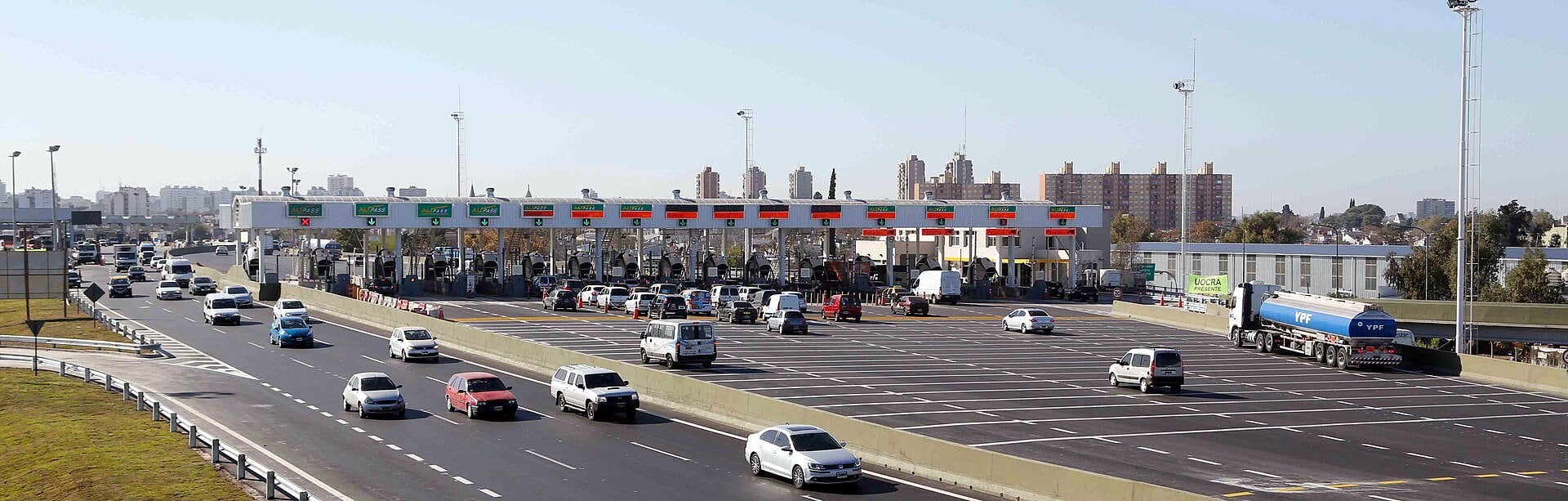
Specialised infrastructure coverage reports that Stage III means more toll booths. Reference tolls are also higher than under the state company Corredores Viales S.A. Works are funded by user fees.
Therefore, drivers will likely see changes at toll plazas across the network. Still, no specific toll prices or dates for changes have been announced.
Where the National Highways Run
The network covers national routes across Santa Fe, Córdoba, Entre Ríos, Santiago del Estero, Salta, Jujuy, Tucumán, Corrientes, Chaco, Misiones and Mendoza. These provinces span a large part of the country.
In addition, the corridors connect key economic regions, facilitating freight and passenger travel. Overall, the concession covers a vast expanse of Argentina’s road infrastructure.
Final Phase of Privatization
The government describes Stage III as the final phase of privatising Corredores Viales S.A. and putting the national road network under toll concessions. This completes a process that began with earlier stages.
Stage II-A covered more than 1,800 kilometres and was awarded by Resolution 706/2026. Stage II-B covered more than 2,500 kilometres.
Economic offers opened on 6 July 2026 and the concessions were awarded by Resolution 1149/2026, dated 28 July 2026.
Previous Stages
Both earlier stages use 20-year toll concessions, similar to Stage III. The transition from state operation to private management has been gradual.
For example, Stage II-B involved a larger area than Stage II-A. Meanwhile, Stage III now brings the total privatized network to over 3,900 kilometres.
Implications for Drivers
As a result, drivers on these national highways will likely encounter more toll booths and higher fees. The shift from tax funding to user fees is a significant change.
Before, the state company Corredores Viales S.A. operated these corridors. Now, private concessionaires will manage them, aiming for efficiency.
Future Outlook
In short, the concession model aims to improve road quality without burdening the state budget. Private investment will fund maintenance and expansion.
However, the success depends on toll revenue and state supervision. Still, the government sees this as a way to modernize the national highways network.
Frequently Asked Questions
What are national highways?
National highways are major roads that connect provinces and cities across Argentina. They are part of the federal road network and are now being managed by private firms under toll concessions.
How will the concession affect tolls?
The concession will likely lead to more toll booths and higher reference tolls, according to infrastructure reports. However, no specific prices or dates have been announced yet.
Who will operate the roads?
Private concessionaires will operate the roads, but their names have not been disclosed in the announcement. They will be responsible for construction, maintenance, and user services.
How long will the concessions last?
The contracts run for 20 years, as per the Red Federal de Concesiones. This is consistent with previous stages of the privatization process.
Sources: Ministerio de Economía; Vialidad Nacional; Argentine infrastructure press.