By The Rio Times | Created at 2026-06-17 08:16:49 | Updated at 2026-06-17 15:44:04
7 hours ago
By The Rio Times | Created at 2026-06-17 08:16:49 | Updated at 2026-06-17 15:44:04
7 hours ago
Bolivia · International
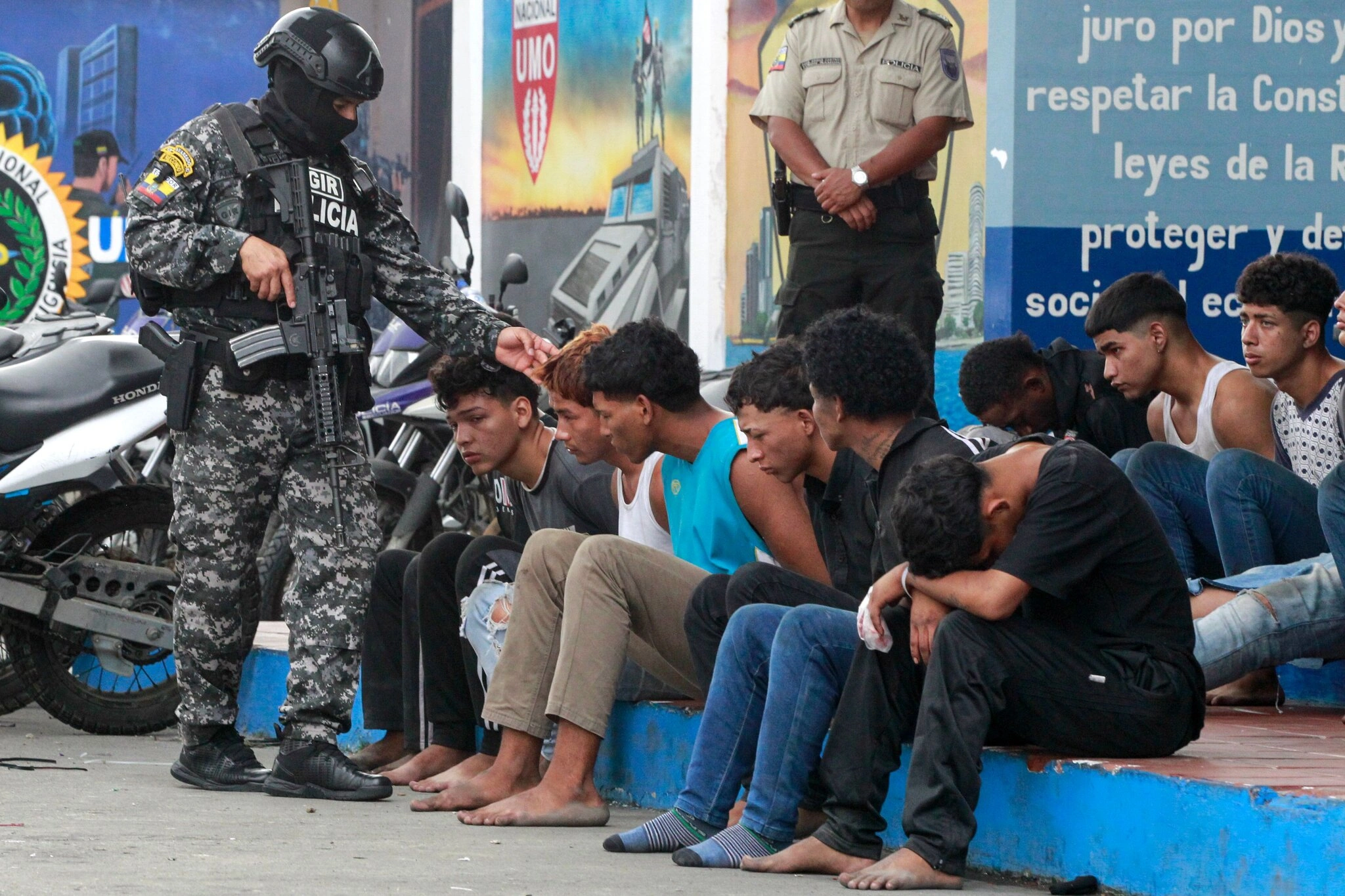
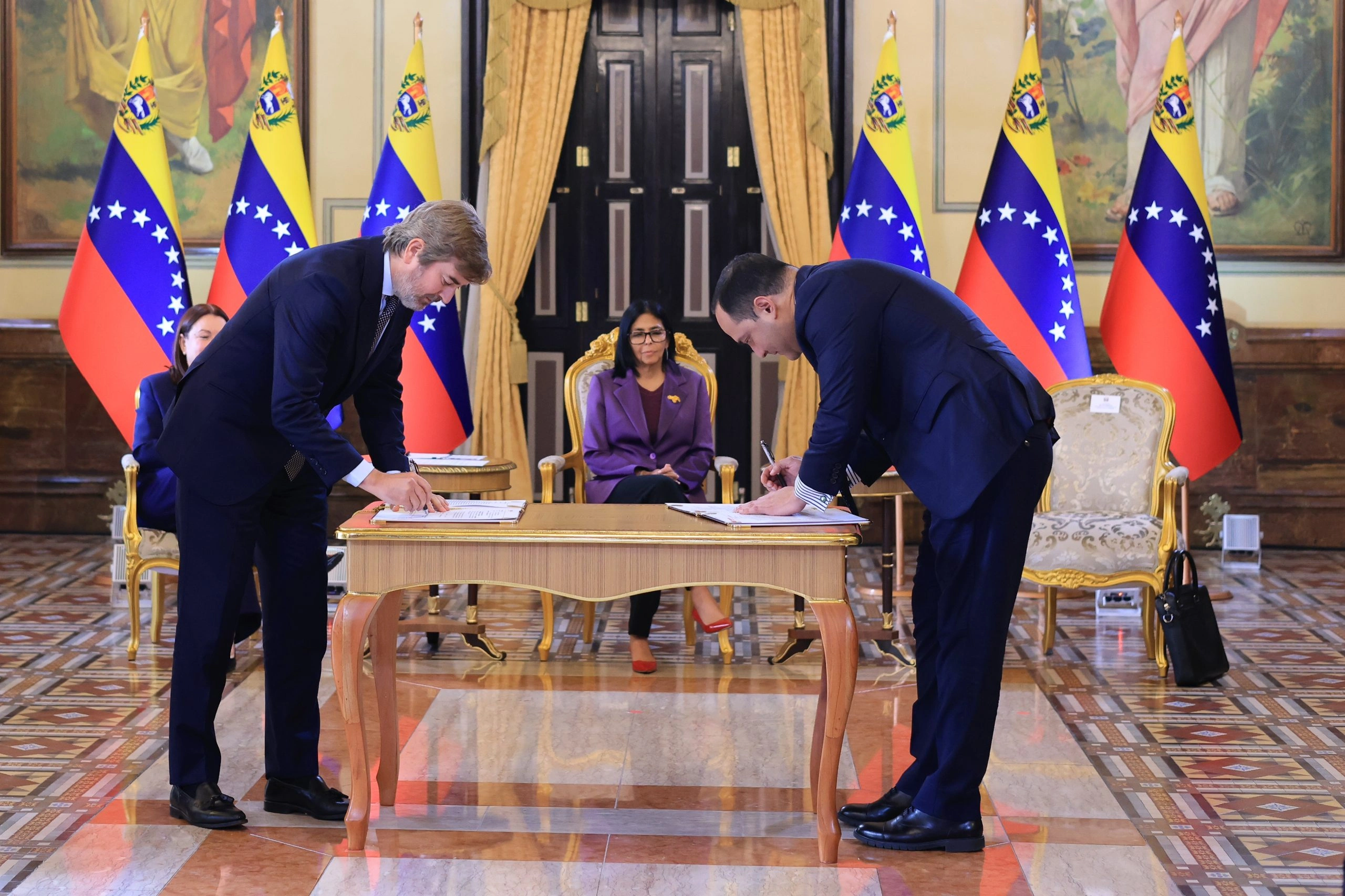
—The deal. The United States and Bolivia signed a bilateral anti-drug agreement on June 16, 2026, the first such pact in nearly two decades, according to the US Embassy in La Paz.
—The substance. Washington will provide training, equipment and support to help Bolivian police and courts investigate networks, prosecute money-laundering and clean up corruption.
—The break with the past. In 2008, then-president Evo Morales expelled the US Drug Enforcement Administration and cut diplomatic ties; this reverses that posture.
—The scale. Bolivia is the world’s third-largest producer of cocaine, behind Colombia and Peru, making it a central node in South America’s drug economy.
—The realignment. President Rodrigo Paz, in office since November 2025, has steered Bolivia sharply toward Washington while keeping fast-growing trade ties with China.
—The caveat. Ambassadors have still not been exchanged and the DEA has not formally reopened its office, so the signing is a milestone rather than a finished restoration.
The Bolivia US anti-drug agreement signed in La Paz on June 16 marks the clearest sign yet that one of South America’s most reliably anti-Washington governments has changed course, with consequences that reach well beyond policing.

What was actually signed
On Tuesday, June 16, officials in La Paz put their names to a bilateral agreement that the US Embassy describes as the first formal anti-drug pact between the two countries in nearly twenty years. It commits Washington to providing training, equipment and other support to Bolivian law-enforcement agencies.
The stated goals are concrete. The deal is meant to strengthen criminal investigations, dismantle trafficking networks, prosecute financial crimes such as money-laundering, and improve transparency inside Bolivia’s police and judicial systems.
For readers unfamiliar with the backstory, the significance is hard to overstate. Bolivia spent most of the past two decades treating the United States as an adversary rather than a partner on security.
Why the Bolivia US anti-drug agreement is a reversal
In 2008, then-president Evo Morales expelled the US Drug Enforcement Administration, accusing it of meddling in Bolivian politics. He also sent the US ambassador home, and full diplomatic relations were never properly restored.
For the seventeen years that followed, Bolivia ran its counter-narcotics effort on its own terms and leaned politically toward China and Russia. The DEA’s name became shorthand, in Bolivian politics, for foreign interference.
That makes a signed agreement inviting American training and equipment a genuine turning point. It does not simply tweak an existing relationship; it restarts one that was deliberately shut down.
The shift did not happen overnight. Earlier this year, Bolivian officials confirmed the DEA had quietly resumed intelligence-sharing and officer-training while the two governments negotiated the wider deal.
At the time, Bolivia’s foreign ministry said a fuller agreement would follow in the months ahead. Tuesday’s signing is that agreement, turning an informal thaw into a written commitment.
The man driving the change
The architect is President Rodrigo Paz, a centrist who took office in November 2025 after defeating the long-dominant Movement Toward Socialism party that Morales built. Paz inherited an economy in deep trouble.
He has since cut fuel subsidies, slashed spending and secured billions of dollars in multilateral financing, while openly courting Washington as a source of investment and credibility. The drug pact fits that wider strategy.
Bolivia has also joined a Trump-administration security initiative for the region known as the Shield of the Americas, aimed at countering trafficking and organised crime. US Secretary of State Marco Rubio has publicly praised Paz and backed his government against domestic unrest.
What makes the realignment unusual is that Paz is not choosing Washington over Beijing. China has become Bolivia’s top export destination, and the country remains central to Chinese plans for lithium and battery materials.
Paz is, in effect, trying to keep both relationships at once. That is a delicate balancing act in a region where alignment with one major power has usually meant distance from the other.
Why investors should pay attention
A drug-enforcement pact may look like a narrow security story, but for anyone weighing exposure to Bolivia it is really a signal about direction. A government rebuilding ties with Washington is a government seeking access to capital, markets and political cover.
Bolivia sits on some of the world’s largest lithium reserves, and Paz has tied normalisation with the United States to attracting the foreign money needed to develop its energy and mineral sectors. Security cooperation builds the trust that investment decisions rest on.
There are real limits, and the signing does not erase them. The two countries have not yet exchanged ambassadors, the DEA has not formally reopened its Bolivian office, and the United States still classifies Bolivia among major drug-producing nations.
Domestic politics could also bite. Coca growers, a powerful and well-organised constituency, view the agency’s return with deep suspicion, and any heavy-handed eradication drive could revive the very tensions that ended cooperation in 2008.
Frequently Asked Questions
What does the Bolivia US anti-drug agreement actually commit each side to?
Washington agreed to supply training, equipment and broader support so Bolivia can investigate trafficking networks, prosecute money-laundering and reduce corruption in its police and courts. La Paz, in turn, reopens the door to American counter-narcotics cooperation it shut in 2008.
Why did Bolivia and the United States stop cooperating in the first place?
In 2008 then-president Evo Morales expelled the US Drug Enforcement Administration and the US ambassador, accusing them of interfering in Bolivian politics. Relations stayed frozen for roughly seventeen years as Bolivia aligned itself with China and Russia instead.
Does the deal matter for foreign investors rather than just security officials?
Yes, because it signals that President Paz is steering Bolivia toward Washington as he seeks capital for its lithium and energy sectors. Security cooperation tends to build the diplomatic trust that large foreign investments depend on.
The Rio Times · Power Map
See who really holds power in Latin America
Click to open the Power Map →