By The Rio Times | Created at 2026-10-05 08:35:06 | Updated at 2026-10-05 09:55:43
1 hour ago
By The Rio Times | Created at 2026-10-05 08:35:06 | Updated at 2026-10-05 09:55:43
1 hour ago
BRAZIL · ELECTIONS 2026
Live tonight
Follow Brazil’s vote count live
The official TSE count with every candidate’s share, the state map and what a runoff would mean, updated every 20 minutes from 4 p.m. ET (5 p.m. Brasília, 9 p.m. Lisbon).
Key Facts
- —The country Brazil, Latin America’s largest economy, elected all 513 federal deputies and 54 of its 81 senators on Sunday 4 October.
- —Why it matters Brazil’s Congress passes budgets, amends the constitution and confirms Supreme Court justices, so it sets the limits for the next president.
- —What happened Jair Bolsonaro’s Liberal Party (PL) won 121 lower-house seats, up from 99 in 2022 and the most for any party since 1988.
- —The Senate The PL is projected to hold 28 of 81 Senate seats from February 2027, against nine for Lula’s Workers’ Party (PT).
- —The numbers Lula’s PT-led federation won 88 lower-house seats and the União-PP federation 87; nobody has the 257 needed for a majority.
- —What it means for you Whoever wins the 25 October runoff must bargain with centrist parties, so tax, spending and trade policy will move deal by deal.
- —Still open Final TSE winner lists for São Paulo, Minas Gerais and Amazonas are pending, and one Paraná Senate seat awaits a court ruling.
Brazil’s Congress will open in February 2027 with Jair Bolsonaro’s Liberal Party (PL) as the largest party in both houses. The PL won 121 of the 513 seats in the Chamber of Deputies, according to the TSE, Brazil’s electoral court.
No single party has elected so many deputies since the 1988 constitution, the newspaper Correio da Manhã noted. The PL’s Senate gains, first reported on 4 October, now point to 28 of 81 senators once holdovers are counted.
The New Chamber of Deputies, Party by Party
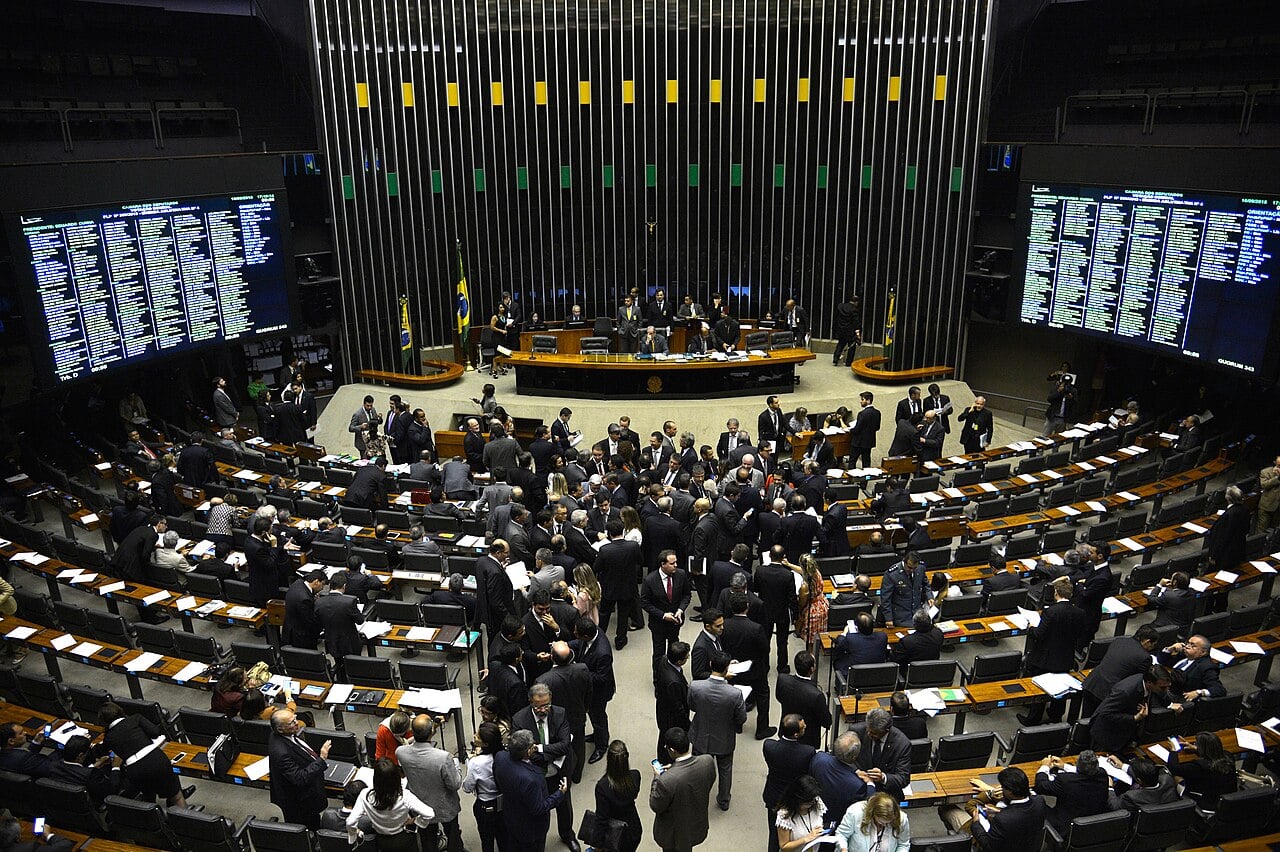
Brazil’s Congress has two houses: the 513-seat Chamber of Deputies and the 81-seat Senate. Deputies are elected by proportional representation in each state, and votes for a candidate count first for the party.
Federations are formal party alliances that count as one when seats are shared out. The PL leads with 121 seats, 33 more than the federation of President Luiz Inácio Lula da Silva’s Workers’ Party (PT).
That federation, which also includes the PCdoB and the PV, won 88 seats, 70 of them for the PT itself. The União Progressista federation of União Brasil and the Progressistas (PP) came third with 87.
Next come the PSD with 43, Republicanos with 41, the MDB with 36 and Podemos with 27. PSOL/Rede and the PSB have 15 each, and six smaller groups share the remaining 40 seats.
The TSE has closed its winner lists in 24 states. In São Paulo, Minas Gerais and Amazonas it has published each party’s seat total but not yet the names of the winners.
Follow this story
Get an email when there’s news on Brazil Elections 2026
Free. One email a day at most, and only when there is news. This also signs you up to our weekday newsletter, The LatAm Brief. Nothing arrives until you click the confirmation link, and you can stop either with one click. Privacy policy.
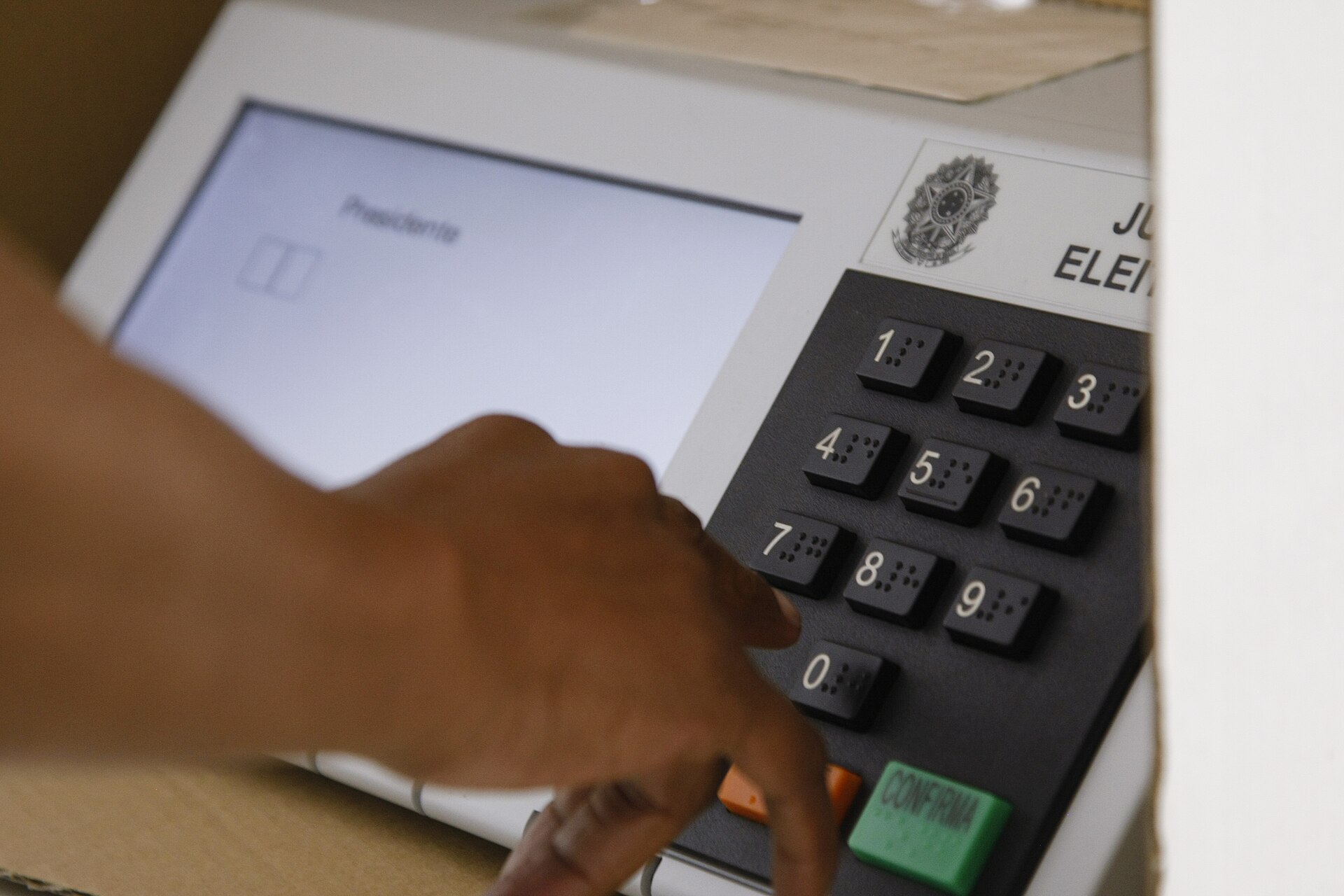
Two Deputies Pass Three Million Votes
Nikolas Ferreira, a PL deputy from Minas Gerais, won re-election with 3,119,318 votes, more than a quarter of the state’s valid votes. Lucas Pavanato, a PL city councillor in São Paulo, came second with 3,038,438.
Both beat the previous record of about 1.84 million, held by Eduardo Bolsonaro, the former president’s son, Veja reported. Such vote-pullers carry party colleagues into office: the PL took 21 of 53 seats in Minas Gerais.
The left has a vote magnet too: Erika Hilton of PSOL drew 1,596,472 votes in São Paulo, the third-highest total. The Bolsonaro family will have four members in Brazil’s Congress, the news site Congresso em Foco reported.
Jair Bolsonaro’s wife Michelle and son Carlos won Senate seats. His brother Renato and another son, Jair Renan, won Chamber seats.
How the Senate Will Look From 2027
Two thirds of the Senate, 54 seats, were on Sunday’s ballot, and the PL won 19 of them. Agência Senado, the Senate’s news service, projects a PL bench of 28 from February, counting senators elected in 2022.
No party has started a legislature with so many senators since 1988; the record was the MDB’s 27 in 1999. The PT is projected at nine, the MDB at eight and the PSD at five.
The three races still open on Sunday night are now settled in the TSE count. In Pará, Chicão of União Brasil took the second seat by 16,641 votes over the PL’s Delegado Éder Mauro.
In Rio Grande do Norte, Samanda de Lula of the PT beat Zenaide Maia of the PSD by 5,765 votes. In the Federal District, Michelle Bolsonaro won her first elected office with 29.05%.
In Paraná, Deltan Dallagnol of the Novo party, a former anti-corruption prosecutor, is listed as elected. A TSE justice rejected his candidacy on Saturday 3 October, but the court’s president suspended that ruling until the full bench decides.
If the full court bars him, Paraná must hold a new election for that seat alone, according to Agência Senado.
A Left-Wing Alliance Misses the Cut by About 185 Votes
Brazil’s performance barrier penalises parties with thin nationwide support. A party needs 2.5% of valid Chamber votes nationally with 1.5% in nine states, or 13 deputies spread over nine states.
The PSOL/Rede federation won 4.89% nationally but reached 1.5% in only eight states, G1 reported. In Espírito Santo it took 31,839 of 2,134,985 valid votes, about 185 short of the line, according to G1 and Metrópoles.
Falling short costs a party the public party fund and free radio and TV airtime, though its 15 deputies keep their seats. The PDT, Avante, Missão and the PRD/Solidariedade federation also missed.
The result can still change, G1 noted. Court rulings that annul or restore votes would force a new tally, and mergers with other parties offer another way back.
Old Names Fall Short
José Dirceu, a PT founder and Lula’s chief of staff in his first government, failed to return to the Chamber. He won 78,450 votes in São Paulo, where Lula’s federation took 11 of 70 seats, CNN Brasil reported.
Dirceu left that government over the ‘mensalão’ cash-for-votes scandal and was later a target of the Car Wash probe. His convictions were annulled in October 2024, and he told CNN Brasil that Lula had asked him to run.
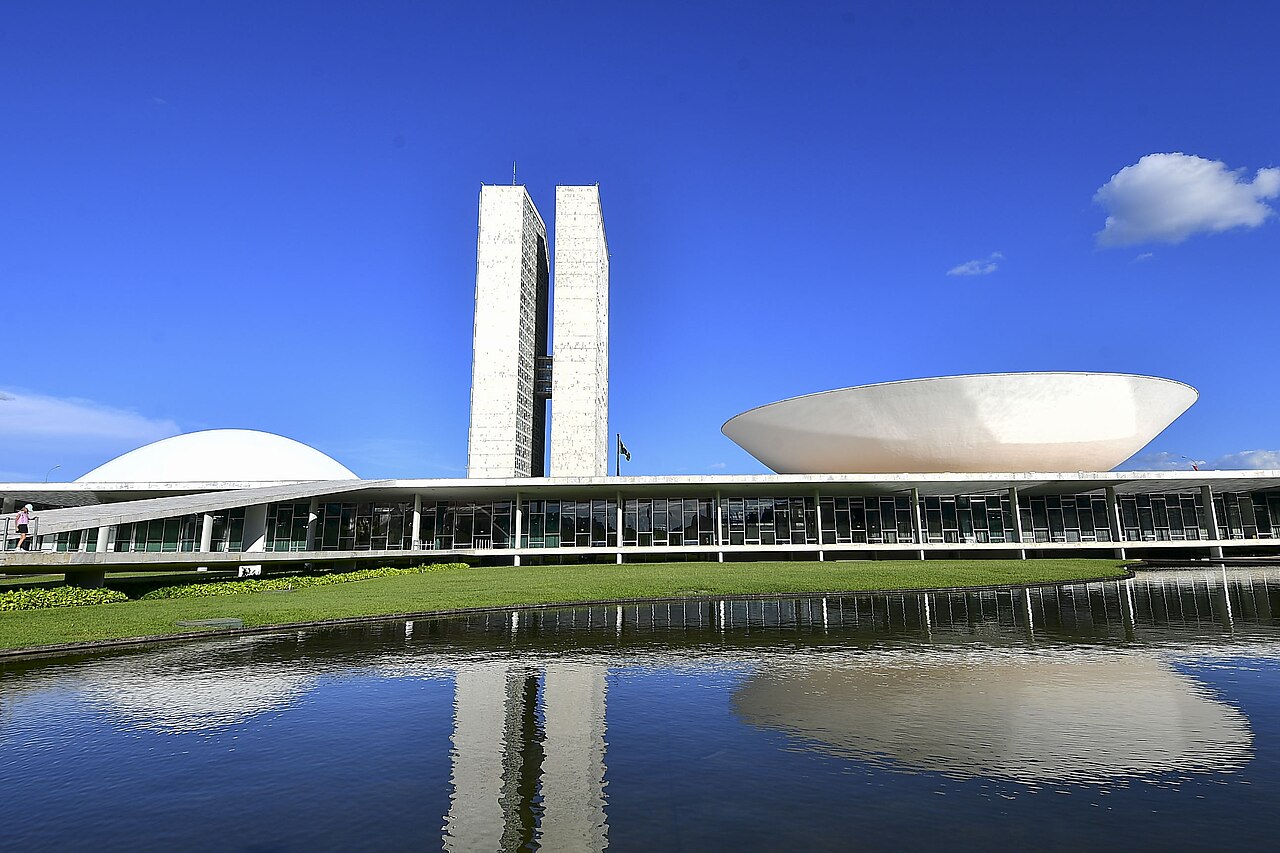
Why the New Congress Matters for the Runoff
Almost everything a Brazilian president wants to make permanent passes through Brazil’s Congress. Amending the constitution takes three fifths of each house in two rounds, or 308 deputies and 49 senators.
The Senate confirms Supreme Court justices with 41 votes. A third of either house can open a parliamentary inquiry, so the PL’s 28 senators could launch one alone.
Impeachment needs two thirds of each house: 342 deputies to authorise a trial and 54 senators to convict. With 28 seats, the PL alone could block a conviction in the Senate.
For Flávio Bolsonaro, the result means a large base but no majority: the PL and the União-PP federation hold 208 seats together. Correio da Manhã noted that any government will depend on deals with centrist parties.
A fourth Lula term would face the PL as the largest opposition force in both houses. InvestNews, a financial site, wrote that the result favours a Flávio agenda and complicates a new Lula mandate.
The make-up of Brazil’s Congress does not decide the runoff, and it can still shift. Members can change party or join a ministry before February, Agência Senado noted.
What Comes Next
Flávio Bolsonaro and Lula meet in the runoff on Sunday 25 October, after a first round with no majority winner. If senators Alan Rick or Omar Aziz win governor runoffs that day, substitutes from the PSD and the PT take their seats.
The newly elected members of Brazil’s Congress take office on 1 February 2027, once the electoral courts certify the winners by December. The two houses then elect their presiding officers, who set the agenda.
PL president Valdemar Costa Neto told SBT News the party will back Rogério Marinho for Senate president. He ruled out a deal with the incumbent, Davi Alcolumbre.
With the PP, União Brasil and Republicanos, he said, “we make a majority there.” He also signalled resistance to a new term for Hugo Motta as Speaker of the Chamber.
More: Latin America news in English, every day from The Rio Times.
How many seats does Bolsonaro’s party have in Brazil’s Congress?
The Liberal Party (PL) won 121 of 513 Chamber seats and 19 of the 54 Senate seats on the ballot. With holdovers, it is projected to hold 28 of 81 Senate seats in Brazil’s Congress from 2027.
What is Brazil’s performance barrier?
It is a rule that cuts public party funding and free broadcast time for parties with thin nationwide support. In 2026 the bar is 2.5% of valid Chamber votes with 1.5% in nine states, or 13 deputies across nine states.
Who were the most-voted deputies in 2026?
Nikolas Ferreira of the PL won 3,119,318 votes in Minas Gerais, a national record. Lucas Pavanato of the PL won 3,038,438 in São Paulo, and Erika Hilton of PSOL came third with 1,596,472.
When does the new Congress take office?
Brazil’s Congress elected on 4 October takes office on 1 February 2027, after the 25 October presidential runoff. Senators elected this year serve until 31 January 2035.
Sources: TSE (Superior Electoral Court) results, 5 October 2026; Agência Senado, 4 October 2026; Correio da Manhã, 5 October 2026; G1, 5 October 2026; Metrópoles, 4 October 2026; Veja, 4 October 2026; CNN Brasil, 5 October 2026; SBT News, 4 October 2026; Gazeta do Povo, 4 October 2026; Congresso em Foco, 4 October 2026.
This article was produced by The Rio Times’ automated newsroom system. How we use AI · Report an error · Editorial responsibility: Matthias Camenzind, Editor-in-Chief
Frequently Asked Questions
The Rio Times · Power Map
See who really holds power in Latin America
Click to open the Power Map →