 By GB News (World News) | Created at 2026-09-04 10:05:51 | Updated at 2026-09-04 10:54:20
53 minutes ago
By GB News (World News) | Created at 2026-09-04 10:05:51 | Updated at 2026-09-04 10:54:20
53 minutes ago
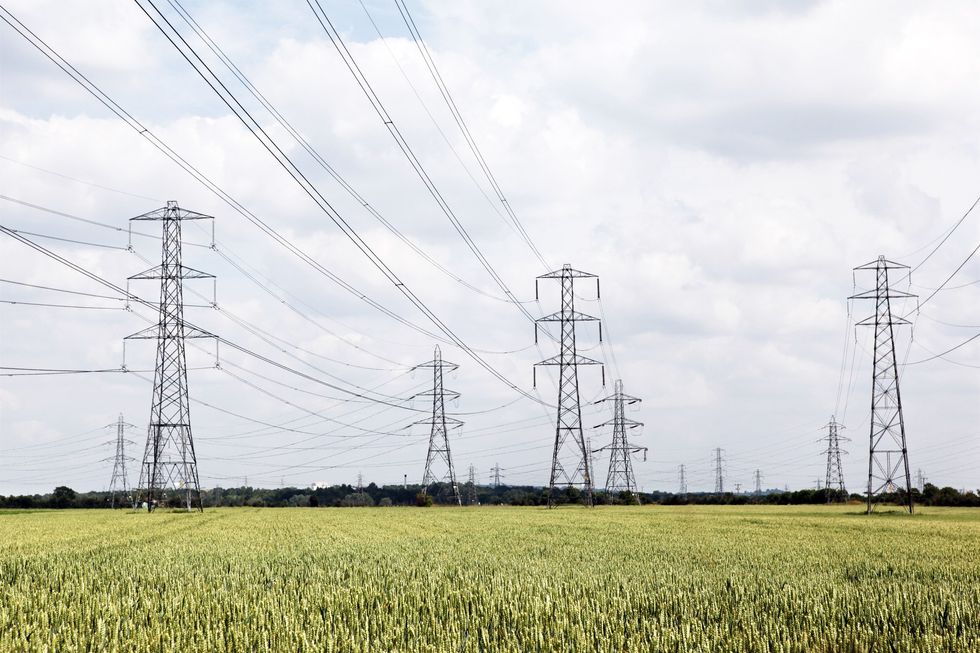
Britain's electricity grid was "right on the limit" during a June heatwave, and power cuts are a "matter of time" unless problems are addressed, a whistleblower has claimed.
Grid operator Neso has come under scrutiny after allegations that the UK came close to blackouts this summer.
It is also alleged the corporate affairs team at the National Energy System Operator “interfered in operational decisions” in a bid to protect the organisation’s reputation.
Neso has brought in independent investigators to look into the allegations, said to have occurred on June 23.
Energy regulator Ofgem has commissioned its own “post-event regulatory review to establish the operational facts”.
It has said that “at no point has there been any concern about meeting demand.
“The system has operated reliably throughout, as it is designed to do.”
The claims were made in Parliament by then shadow energy minister, Clarie Coutinho, who had been contacted by whistleblowers.

Now a senior engineer responsible for balancing the grid - ensuring there is enough supply to meet demand – has voiced concerns to the Times.
They said that they believed the investigation would find the system was secure on the day in question but worried this did not tell the “full story”.
A re-run of events that day to assess what happened had used “optimistic” inputs, they said.
They also believed the system was relying too heavily on interconnectors – high-voltage cables which transport electricity from the continent.
Last year, Britain was a net importer of electricity.
They told the newspaper: “We were right on the limit and I don’t think there’s any harm in coming out and saying that. But for some reason the execs came out right away and said: ‘We’re completely secure’.
“For the investigation, we remodelled what happened that day but I question what we put into the models. The data that was used — ie what energy was available that day — was optimistic.
“We are banking on help from interconnectors to Europe but in reality we cannot rely on that.”
Britain was a net importer of electricity, last year
GETTY
They claimed that computer systems and forecasting capabilities in the control room were inadequate.
This left staff to make calculations on demand on A4 pads, they claimed.
Balancing the grid is more difficult with a renewables system as it depends on smaller numbers of dispersed generators.
Previously, the bulk of electricity came from fossil-fuel power plants, whose output is easier to measure.
The unnamed engineer said colleagues feared it would take a partial loss of power before management acted.
Neso disputed the engineer’s claims. It rejected concerns about its systems, saying that it used advanced forecasting capabilities that took into account weather data and demand curves.
Any manual checks were in addition to this technology, it said. It also denied claims that engineers’ concerns were ignored.
A spokesman for Ofgem said: “We take the allegations about the operation of the electricity system during the June heatwave, and the associated whistleblowing concerns, extremely seriously.
“We are undertaking a review of how the system was managed during this period to establish whether Neso complied with regulations and what lessons can be learnt to improve system security for the future.
“Alongside this, an independent investigation will examine the whistleblowing allegations relating to operational decision-making and record-keeping during this period.
“Both reviews will be conducted thoroughly, objectively and transparently. We won’t hesitate to act should we need to, and ensure lessons are learned and any improvements are made.”