By The Rio Times | Created at 2026-10-06 07:16:53 | Updated at 2026-10-06 08:27:48
1 hour ago
By The Rio Times | Created at 2026-10-06 07:16:53 | Updated at 2026-10-06 08:27:48
1 hour ago
POLITICS · CHILE
Key Facts
- —The country Chile, where conservative José Antonio Kast won the 2025 presidential election. Opposition deputies want to know whether fake online accounts shaped that race and earlier votes.
- —Why it matters The probe touches Google, Meta and X, three US platforms, and asks how Chile polices political bots. Servel, the electoral service, says the law does not treat bots or fake profiles as infractions.
- —Why now Interior Minister Claudio Alvarado skipped Monday’s session, citing official duties in the Aysén region. Deputies used the gap to widen the guest list.
- —What happened On Monday 5 October the 13-member committee voted to invite Evelyn Matthei, Jeannette Jara, Camila Vallejo, Google, Meta and X. More than a dozen others are listed too.
- —What it means for you An invitation is not testimony. Most invitees hold no public office and are not obliged to appear, so the list signals intent rather than evidence.
- —Still open Hearing dates, who will accept, and whether the committee can finish within its 60-day mandate. Alvarado is due back after the district week.
The Chile bot probe in Congress voted on Monday to invite former presidential candidates Evelyn Matthei and Jeannette Jara to testify. It also wants to hear from Google, Meta and X.
The Chamber of Deputies committee is examining how the state has handled bots, troll networks and political disinformation since 2020. For foreign readers, it is a test of how a stable democracy handles election manipulation on US-owned platforms.
The committee grew out of the case of Fernando Cerimedo, an Argentine digital consultant whose firm Numen worked in Chile. He is detained in Bolivia, where his former partner, lawyer Nadia Beller, accuses him of attempted femicide. He is presumed innocent.
This follows Chile’s Election Bots Probe Widens Around Jailed Argentine Consultant, on the electoral service’s findings about Numen.
What the Committee Agreed on Monday
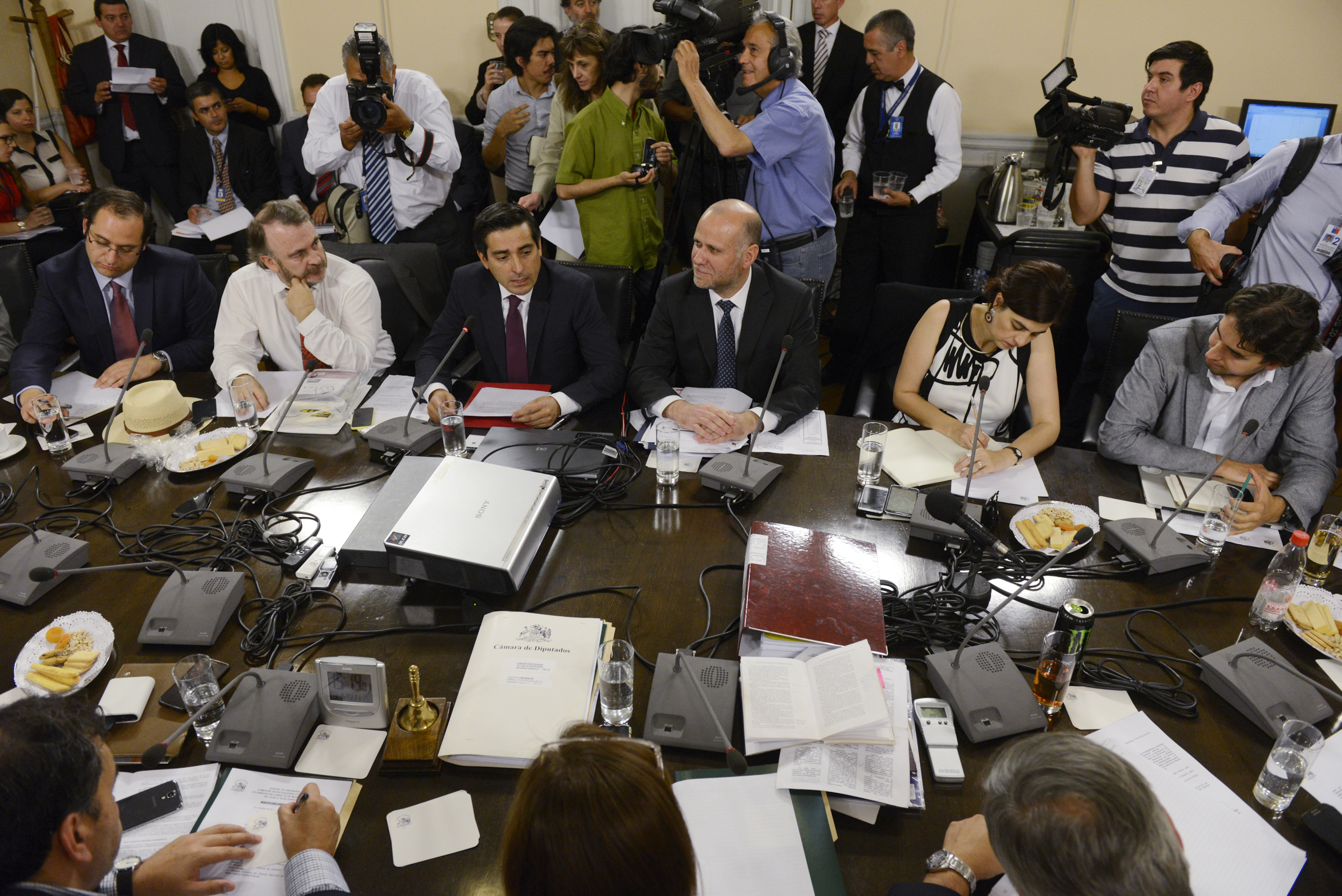
Monday’s session was meant to hear Claudio Alvarado, who is both interior minister and government spokesman. He sent a letter saying he was in the southern Aysén region on behalf of President Kast, La Tercera reported.
The committee chair, Republican deputy José Carlos Meza, said Alvarado will attend the first session after the district week. That is the recess when deputies work in their constituencies. The Republican Party is Kast’s conservative party.
His absence opened a debate on whom else to call. Hotuiti Teao, an independent in the conservative UDI caucus, proposed Evelyn Matthei, the UDI’s 2025 presidential candidate.
“Yesterday it was her, today we do not know who, and tomorrow it could be any of us,” Teao said, Cooperativa reported. Matthei had complained last year of a “disgusting campaign” against her by Kast supporters.
Javiera Rodríguez, a Republican deputy, added Jeannette Jara, the Communist Party politician who lost the 2025 runoff to Kast. Rodríguez cited Jara’s own complaints about a bot campaign during the election.
Rodríguez also named Camila Vallejo, government spokeswoman under former President Gabriel Boric, linking her to campaigns run while she was in office.
Juan Santana of the Socialist Party asked for representatives of Google, Meta and X, calling the platforms central to the inquiry. He also proposed inviting Beller, possibly to give evidence in private.
Gonzalo Winter of the left-wing Frente Amplio, Boric’s party, brought the longest list. It included the heads of the newspapers El Mercurio and La Segunda, which published Numen polls.
Winter questioned a 2020 Numen survey that, according to Cooperativa, put support for a new constitution at 42 percent. Voters approved drafting one by a far wider margin in that year’s plebiscite.
He also asked for Bernardo Fontaine, now chairman of state copper company Codelco. Two former officials of the pension fund managers’ association made his list too. Winter cited a Reportea investigation into how influencer videos on pension reform were financed. None of them has been accused of a crime.
Other names approved include two journalists from the investigative outlet Ciper and Michelle Bordachar, acting head of the National Cybersecurity Agency. Meza put the full list to a vote and it passed, with dates still to be set.
Follow this story
Get an email when there’s news on Chile
Free. One email a day at most, and only when there is news. This also signs you up to our weekday newsletter, The LatAm Brief. Nothing arrives until you click the confirmation link, and you can stop either with one click. Privacy policy.
How the Committee Works
The Chamber of Deputies approved the Chile bot probe on Wednesday 2 September by 69 votes to 43, with one abstention, after a first attempt failed for lack of quorum. EFE reported that it has 60 days to deliver a report.
Its 13 members span the chamber, from the Communist Party to the Libertarian National Party. It meets on Mondays from 7:30 to 9 p.m. Santiago time, after the day’s floor business, La Tercera reported.
Its formal remit covers government knowledge, prevention and oversight of bots, coordinated amplification networks, trolls and generative artificial intelligence in political content. It also covers any migration permits granted to foreign operators of such strategies.
Ministers summoned by an investigative committee are expected to attend. Private citizens and companies are only invited, and Meza acknowledged that most of Monday’s names are not obliged to respond, Cooperativa reported.
What It Means for You
For US investors, this is a political story, not a market event. The committee cannot fine anyone or bring charges, and its report goes to the chamber as a set of findings.
For Google, Meta and X, an appearance would mean explaining their moderation of Chilean political content in a public forum. Their answers could feed into future rules on platform transparency.
For readers who follow Chilean politics online, the debate is a reminder to treat trending political topics with care. Servel replied to deputies on 23 September. Electoral law, it said, does not treat false information, automated accounts or fake profiles as infractions, CIPER reported.
For background on Cerimedo’s regional ties, see Bolivia Jails Fernando Cerimedo, the Consultant Linking Paz to Milei, Bolsonaro and Trumpworld.
What Is Not Known
It is not known whether Matthei, Jara, Vallejo or the three platforms will accept. Coverage of Monday’s session reported no replies.
No hearing dates have been published, and the date of Alvarado’s return depends on the chamber’s calendar. Whether the Chile bot probe can hear everyone inside its 60-day window is unclear.
Nor is it known who operated the accounts that targeted Matthei in 2025, or whether any campaign paid for them.
The committee is a political body. Any criminal question belongs to prosecutors and the courts, and everyone named on Monday’s list is presumed innocent.
Who did the Chile bot probe invite on Monday?
It invited Evelyn Matthei, Jeannette Jara, Camila Vallejo and representatives of Google, Meta and X. Two newspaper heads and Codelco chairman Bernardo Fontaine are also on the list.
Do the invitees have to appear?
No. Ministers summoned by an investigative committee are expected to attend, but private citizens and companies are only invited. The chair said most names on Monday’s list are not obliged to come.
Who is Fernando Cerimedo?
He is an Argentine digital consultant whose firm Numen worked in Chile. He is detained in Bolivia, where his former partner accuses him of attempted femicide. He is presumed innocent.
Sources: La Tercera, 6 Oct · Cooperativa, 5 Oct · La Tercera, 30 Sept · CIPER, 25 Sept · EFE, 2 Sept
Editorial responsibility: Matthias Camenzind, Editor-in-Chief · Editorial standards · Report an error
Frequently Asked Questions
The Rio Times · Power Map
See who really holds power in Latin America
Click to open the Power Map →