By The Rio Times | Created at 2026-10-06 07:16:55 | Updated at 2026-10-06 08:27:49
1 hour ago
By The Rio Times | Created at 2026-10-06 07:16:55 | Updated at 2026-10-06 08:27:49
1 hour ago
POLITICS · MEXICO
Key Facts
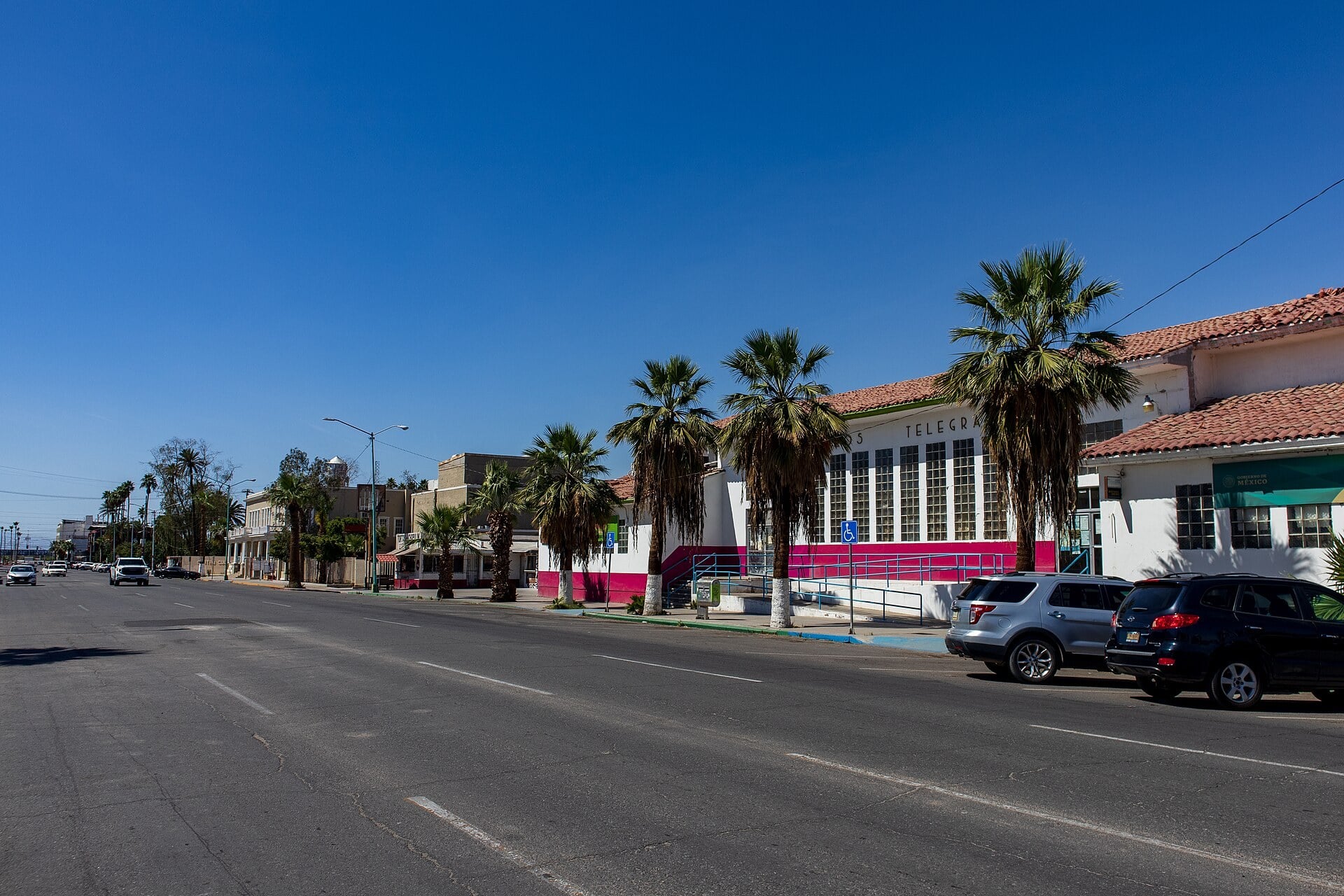
- —The country Mexico. Baja California borders California, and its cities Tijuana and Mexicali sit directly across from San Diego and Calexico.
- —Why it matters US sanctions now touch the inner circle of a sitting border governor, and local governments are cutting suppliers that Washington has blacklisted.
- —Why now On Tuesday 29 September the US Treasury sanctioned 21 people and 25 companies tied to the Sinaloa Cartel, including the governor’s ex-husband.
- —What happened On Monday 5 October PAN deputies filed a complaint with federal prosecutors asking them to investigate Governor Marina del Pilar Ávila over 14 alleged crimes.
- —The numbers The state government paid one listed firm about MXN 16.5 million (about US$910,000) between 2022 and 2025, Reforma reported.
- —What it means for you US companies and banks dealing with Baja California suppliers must screen them against the OFAC list. The governor herself is not sanctioned.
- —Still open Whether prosecutors open a formal investigation. A complaint is not a charge. The governor says she is not sanctioned and left the listed firm in 2023.
Mexico’s main opposition party asked federal prosecutors on Monday to investigate the Baja California governor, Marina del Pilar Ávila. The complaint lists 14 alleged crimes, from organised crime to illicit enrichment, according to Reforma. It comes a week after Washington sanctioned her ex-husband as an alleged Sinaloa Cartel ally. A state on the US border is now under scrutiny from both sides.
The complaint is an accusation, not a charge. The governor is not on the US sanctions list and has said she will finish her term. She must be presumed innocent, and no court has found any wrongdoing by her.
Meanwhile, city halls across the state are cutting ties with companies that the US Treasury blacklisted. For American firms and banks that trade with Tijuana or Mexicali, that is the practical change.
What the PAN Filed
The National Action Party (PAN) is Mexico’s main conservative opposition party. Its federal deputies from Baja California, César Damián Retes and Eva María Vásquez, filed the complaint at the Fiscalía General de la República (FGR), the federal prosecutor’s office.
They were joined by Federico Döring, spokesman of the PAN caucus, and national party spokesman Jorge Triana, Reforma and El Financiero reported. Ávila belongs to Morena, the left-wing party of President Claudia Sheinbaum, which governs Mexico.
Reforma listed 14 offences named in the complaint: organised crime, conspiracy, treason, criminal association, crimes against health, unlawful exercise of public office and collusion of public servants. It also cites influence peddling, embezzlement, bribery, illicit enrichment, cover-up, money laundering and arms trafficking. Other outlets reported shorter lists.
The deputies demanded that Ávila step aside while prosecutors look at the case. Vásquez stressed that the filing targets the Baja California governor’s own conduct, not the acts that Washington attributes to her former husband.
Damián Retes pointed to Vida Orgánica Tijuana, an organic-food business that the US Treasury listed. He claimed the governor received money from it as a shareholder and gave her shares away only days ago. El Financiero and Infobae carried these claims. They have not been tested by any authority.
The governor rejects that account. Her office says she ceded her stake to Torres at a partners’ meeting on Thursday 27 April 2023, Proceso reported. It says a notary corrected an error in the company register on Thursday 10 September 2026.
“Marina del Pilar owes an explanation to the families of Baja California,” Damián Retes said, according to El Financiero.
Follow this story
Get an email when there’s news on Mexico
Free. One email a day at most, and only when there is news. This also signs you up to our weekday newsletter, The LatAm Brief. Nothing arrives until you click the confirmation link, and you can stop either with one click. Privacy policy.
The US Sanctions Behind It
The Office of Foreign Assets Control (OFAC) runs US financial sanctions. On 29 September it designated 21 individuals and 25 entities as leaders or facilitators of the Sinaloa Cartel’s Los Mayos faction.
Treasury’s release names Carlos Alberto Torres Torres, the governor’s ex-husband, as a “cartel-linked political operator” allied with Juan José Ponce Félix, known as “El Ruso”. Treasury says El Ruso’s group, Los Rusos, dominates Mexicali.
Treasury also says Torres reportedly received monthly payments from a former Mexicali police chief. Torres denies any link to crime, Infobae reported, citing El Norte. El Financiero says he served in Ávila’s administration as coordinator of strategic projects. We covered the sanctions in Sinaloa Cartel Sanctions: US Lists Ex-Husband of Baja California Governor.
The governor says her contact with Torres is limited to their son’s welfare and that she faces no US investigation, Infobae reported. Her own US tourist visa was revoked in May 2025, Infobae and El Financiero note.
City Halls Drop Blacklisted Suppliers
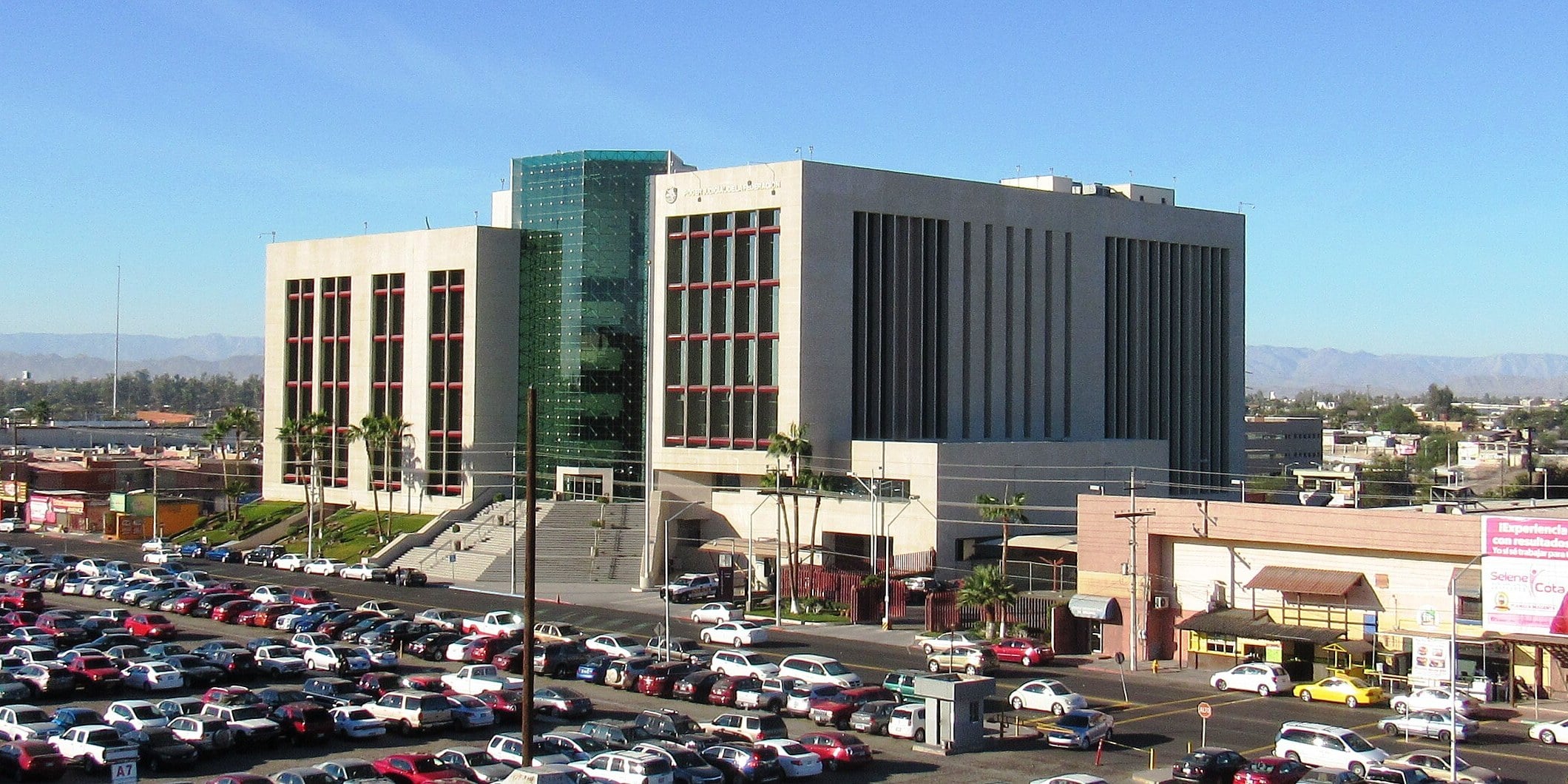
Several of the listed companies had public contracts in Baja California. Treasury ties many of them to Marco Antonio Moreno Gómez Santelices, a Tijuana businessman it also sanctioned.
Tijuana mayor Ismael Burgueño, of Morena, said he ordered in writing that the city stop working with any listed firm, AFN Tijuana reported. Tijuana had bought traffic-light equipment from one of them, Inteliproof Efficient, according to Reforma.
Ensenada, led by Morena mayor Claudia Agatón, said it will block listed firms and their partners and owners from future contracts. One listed firm, FAMA, had worked on the city’s 2025 carnival.
In Playas de Rosarito, records show a payment of MXN 216,000 (about US$11,900) to another listed firm in early 2026, Reforma reported. Tecate hired a third listed company for tax advice on Friday 31 January 2025.
The state government paid Inteliproof about MXN 16.5 million (about US$910,000) in at least seven contracts from 2022 to 2025, Reforma found. State attorney general María Elena Andrade Ramírez said her office has now barred the listed firms, Punto Norte reported.
What It Means for You
For US businesses, the rule is simple. Americans are generally barred from dealing with anyone on the OFAC list, and any of their US assets are frozen.
The listings also carry a secondary-sanctions warning, so foreign banks that serve these firms take a risk too. Companies with suppliers in Tijuana or Mexicali should check them against the list.
The state government is not sanctioned, and contracts with it remain legal. For travellers and residents, nothing changes at the border today.
What Is Not Known
The FGR had not said by Tuesday morning whether it will open a formal investigation. No public reply from the governor to the complaint itself had been reported by then.
The PAN’s claims about her stake in Vida Orgánica have not been confirmed by any authority. Tijuana has not yet said how many contracts it will cancel.
Has the Baja California governor been charged with a crime?
No. The PAN filed a complaint asking federal prosecutors to investigate. Prosecutors decide whether to open a case, and no court has found any wrongdoing.
Is Marina del Pilar Ávila under US sanctions?
No. The US Treasury sanctioned her ex-husband, Carlos Torres Torres, on 29 September. The governor is not on the list.
Can US companies still do business in Baja California?
Yes, but not with the 46 sanctioned people and companies. US firms should screen local partners and suppliers against the OFAC list.
Sources: US Treasury, 29 September 2026; US State Department; Reforma via El Diario; Proceso; El Financiero; Infobae; Reforma via El Diario de Chihuahua; AFN Tijuana; Uniradio Informa; Punto Norte.
Editorial responsibility: Matthias Camenzind, Editor-in-Chief · Editorial standards · Report an error
Frequently Asked Questions
The Rio Times · Power Map
See who really holds power in Latin America
Click to open the Power Map →