 By The Epoch Times | Created at 2026-09-06 02:11:34 | Updated at 2026-10-02 00:54:27
3 weeks ago
By The Epoch Times | Created at 2026-09-06 02:11:34 | Updated at 2026-10-02 00:54:27
3 weeks ago
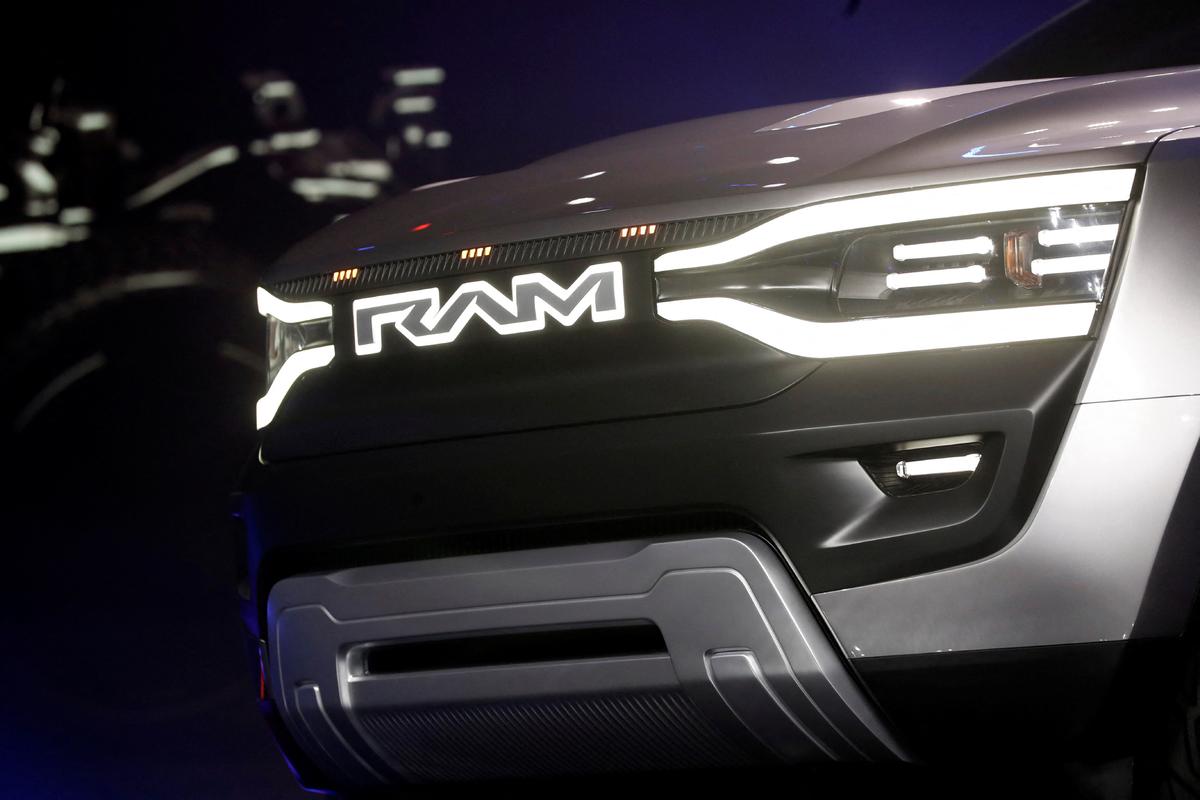
The front end of the Ram 1500 Revolution electric concept pickup truck is shown during a Stellantis keynote address at CES 2023, an annual consumer electronics trade show, in Las Vegas, Nev., on Jan. 5, 2023. Steve Marcus/Reuters
Chrysler (FCA US) has issued a recall of 239,131 Ram vehicles because rearview camera images may not display, increasing the risk of an accident.
The recall involves certain 2025 and 2026 RAM 1500 models in which a radio software error could cause the rearview image not to display, according to a report the National Highway Traffic Safety Administration (NHTSA) recently posted on Sept. 4.
The report indicates that the radio software will be updated remotely or by a local dealer, free of charge.
Notification letters to owners of affected vehicles are expected to be mailed on Sept. 24. In the meantime, owners may contact Chrysler customer service at 800-853-1403, using the recall number 83D. Vehicle Identification Numbers (VINs) involved in this recall will be searchable on NHTSA.gov on Sept. 9.
The issue dates back to October 2023, when the first vehicle of the 2025 model year was produced. From that time through February this year, the automaker reviewed engineering change records and determined that some of the vehicles may have been affected by the rearview camera glitch.
The report notes that similar vehicles not included in this recall were built after the suspected period or had a different radio and/or camera.
Chrysler opened an investigation into the issue in mid-March. In August, the automaker determined a recall was necessary due to noncompliance with federal motor vehicle standards.
The report did not list any accidents or injuries due to the issue.
Last month, Chrysler’s parent company Stellantis issued a recall of 1.271 million RAM 1500 vehicles for improperly installed seat belt buckle anchors that could fail to restrain occupants and increase the risk of injury in an accident. That recall involved certain 2019—2026 RAM models.
Meanwhile, many other auto manufacturers have also been plagued with issues involving malfunctioning rearview cameras this year.
In July, Honda recalled more than 325,000 2018–2020 Odyssey models because rearview cameras may not display. In this case, the automaker attributed the issue to water seeping into the camera system.
In May, Tesla Inc. recalled 218,868 vehicles because a software glitch could delay the rearview camera image up to 11 seconds.
Ford had a similar recall in March, which involved more than 254,600 Lincoln and Explorer vehicles, again traced to a software problem.
In May, CARFAX reported that nearly 7 million U.S. vehicles were operating with an unfixed recall related to defective backup cameras, including distorted, frozen, or blank screens.
“Backup cameras are a critical safety feature, and when they don’t work properly, [they] can significantly limit what drivers see behind them,” CARFAX vice president of data acquisition Faisal Hasan said in the report.
“With millions of vehicles still carrying unfixed recalls, it’s important for drivers to check for open recalls and get them repaired as soon as possible.”