By The Rio Times | Created at 2026-06-17 10:11:53 | Updated at 2026-06-17 15:42:54
5 hours ago
By The Rio Times | Created at 2026-06-17 10:11:53 | Updated at 2026-06-17 15:42:54
5 hours ago
Markets · Trade
—The measure. Colombia set a thirty-five per cent tariff on cheap imported shoes by decree on June 11.
—The trigger. It applies only when a pair’s declared price falls at or below set thresholds, mostly around seven dollars.
—The target. The thresholds land squarely on the ultra-cheap shoes sold through apps like Shein and Temu.
—The source. China supplied more than half of Colombia’s such imports last year, with Vietnam and Indonesia next.
—The aim. The government says it is shielding a local shoe industry made up mostly of small firms.
—The catch. Cheap shoes are about to cost Colombian shoppers more.
The new Colombia footwear tariff is a small decree with a large target: the flood of bargain shoes that Asian e-commerce apps have poured into the country.
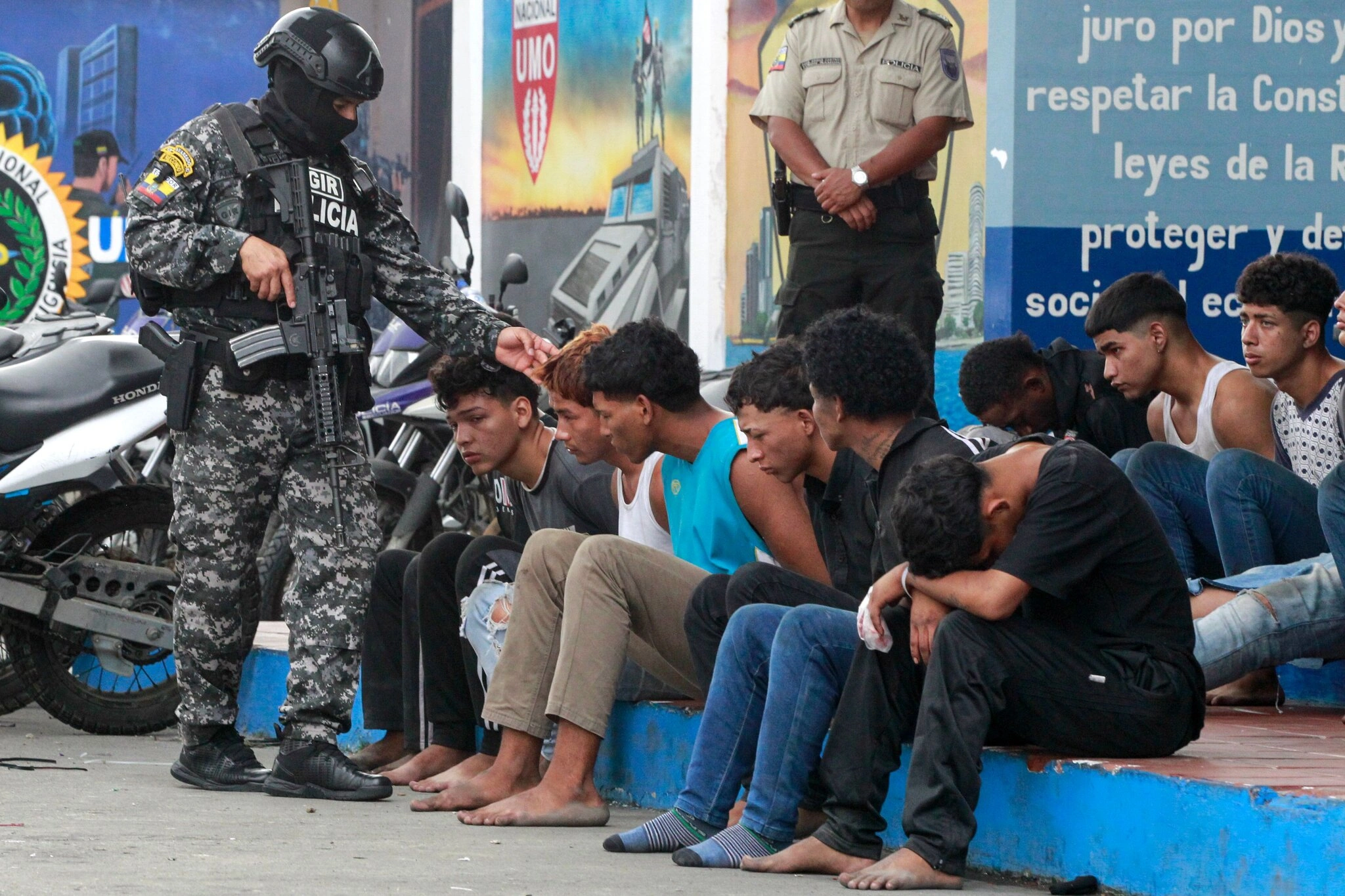
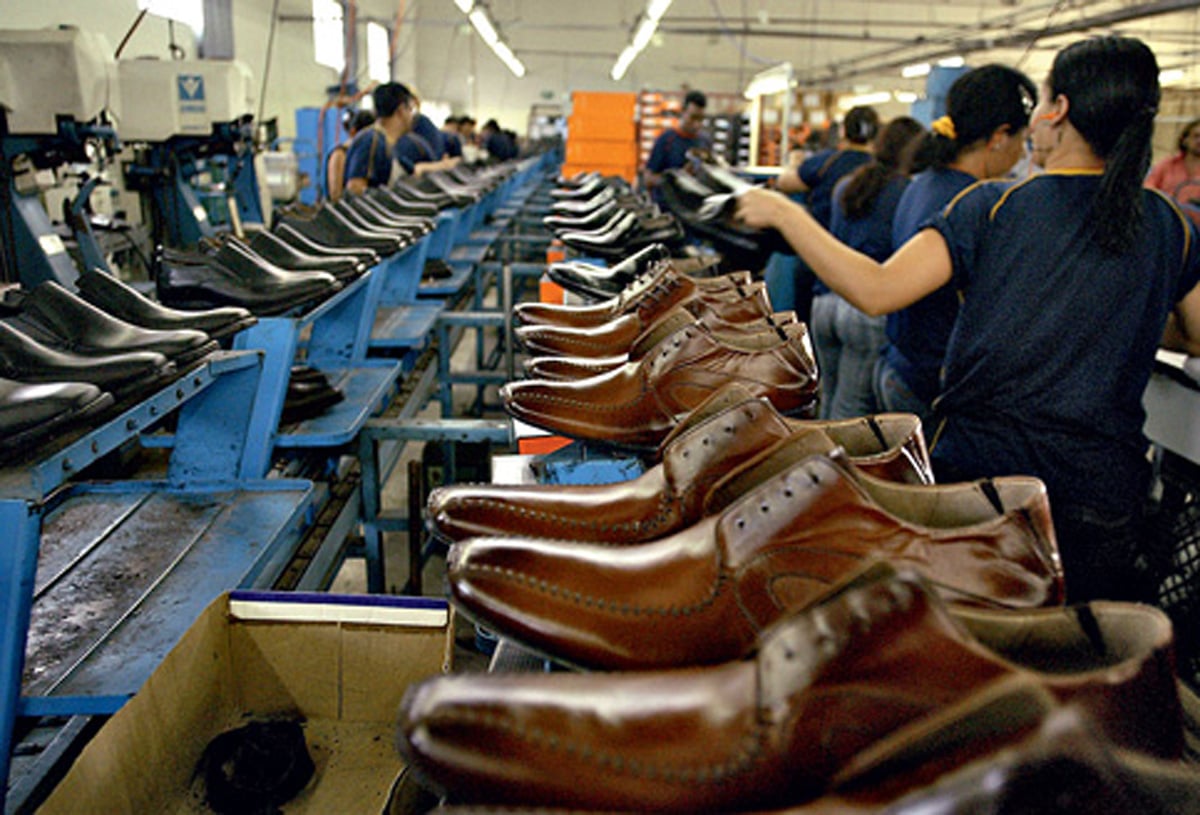 Colombia’s 35% tariff targets cheap imported shoes. (Photo internet reproduction)
A tariff with a price tag attached
Colombia’s government has imposed a thirty-five per cent tariff on imported shoes, but only on the cheapest ones. A decree signed on June 11 sets price thresholds below which the new duty kicks in.
For most categories of footwear, the tariff applies when a declared pair costs around seven dollars or less. Slightly different limits cover other types of shoes and the materials used to make them.
The design is deliberate. By tying the tariff to a price ceiling rather than to all shoes, the government is aiming at the very bottom of the market, where imports are cheapest and competition with local makers is fiercest.
Why the Colombia footwear tariff targets Shein and Temu
The decree does not name any company, but its effect is clear. The price thresholds sit right at the level of the ultra-cheap goods sold through Asian shopping apps such as Shein and Temu, which have surged in popularity.
These platforms ship low-cost products directly to consumers, often undercutting local shops by wide margins. Their rise has alarmed domestic manufacturers across many countries, not just in Colombia.
The numbers show why officials acted. China supplied well over half of Colombia’s shoe imports from countries without trade deals last year, followed by Vietnam and Indonesia, and the volumes have been climbing fast.
Imports of these goods rose by double digits in each of the last two years. For a government worried about local jobs, that kind of growth in cheap foreign shoes is exactly the trend the tariff is meant to slow.
Who is hit and who is spared
The tariff applies only to countries that do not have a trade agreement with Colombia. That focuses it firmly on the major Asian suppliers, above all China.
Countries with existing trade deals, including the United States, the European Union, Mexico, Chile and Colombia’s Andean neighbours, are exempt. Their shoes can still enter under the old, lower rates.
That selective design mirrors a wider regional pattern. Across Latin America, governments have been raising barriers against cheap Chinese goods while keeping preferential access for treaty partners.
Colombia made a similar move earlier this year on imported steel, lifting that tariff to the same thirty-five per cent ceiling, the maximum allowed under global trade rules, against suppliers with no trade deal.
Why it matters
For Colombia’s shoemakers, the tariff is a lifeline. The industry is made up overwhelmingly of small and medium firms that employ many people and have struggled to compete with rock-bottom import prices.
The government frames the move as part of a broader push to rebuild domestic industry, protect jobs and curb smuggling, where goods are slipped in under false low prices to dodge duties.
For shoppers, the trade-off is higher prices. The cheap shoes that many low-income households rely on will cost more, a familiar tension in any policy that protects local producers from foreign competition.
For investors and the e-commerce platforms themselves, it is a warning. As cheap-import apps expand across Latin America, more governments are likely to reach for tariffs and thresholds to defend local industry.
Part of a regional shift
Colombia is not acting alone. Governments across Latin America have grown uneasy about the speed at which cheap Chinese goods, and the apps that deliver them, are capturing local markets.
Several countries in the region have moved to tax or restrict low-value parcels and direct-to-consumer shipments, closing loopholes that once let small packages slip in with little or no duty.
The shoe tariff fits that wider story. It is a targeted, sector-specific version of a broader regional reflex to protect domestic producers from a wave of ultra-cheap imports.
How well it works will depend on enforcement. Tariffs tied to declared prices invite under-invoicing, where importers simply understate values to dodge the duty, so customs scrutiny will decide the real impact.
Frequently Asked Questions
What is the Colombia footwear tariff?
It is a thirty-five per cent tariff on imported shoes, set by a decree signed on June 11, that applies only when a pair’s declared price falls at or below set thresholds, mostly around seven dollars. The aim is to protect Colombia’s local shoe industry from a flood of cheap imports.
Does it really target Shein and Temu?
The decree names no company, but its price thresholds sit right at the level of the ultra-cheap goods those apps sell, so the effect falls heavily on that model. China, Vietnam and Indonesia, the main sources of such shoes, are the countries most affected.
Will shoppers pay more?
Most likely yes, at the cheapest end of the market. The tariff is designed to make very low-priced imports less competitive, which protects local makers but raises costs for consumers who rely on bargain footwear.
The Rio Times · Power Map
See who really holds power in Latin America
Click to open the Power Map →