By The Rio Times | Created at 2026-09-29 11:06:55 | Updated at 2026-09-29 11:59:45
1 hour ago
By The Rio Times | Created at 2026-09-29 11:06:55 | Updated at 2026-09-29 11:59:45
1 hour ago
DOMINICAN REPUBLIC · ECONOMY
Key Facts
- —The country The Dominican Republic, Haiti’s Caribbean neighbour of about 11 million people, produces no oil and imports refined fuel.
- —Why it matters The state sets pump prices weekly and had spent over RD$35.5 billion (US$598 million) on subsidies by 25 September.
- —What happened Regular diesel rose for a second straight week on Saturday 26 September, to RD$270.80 (US$4.55) a gallon.
- —The cost to shops Retailers say a truckload of plantains to the capital now costs RD$22,000 (US$370), up from RD$15,000 (US$252).
- —What it means for you Bus and taxi groups promised on 27 September to hold fares for now, but retailers expect higher food prices.
- —Still open How big October’s supplier increases will be, and whether the government pays toward the cost of trucking food.
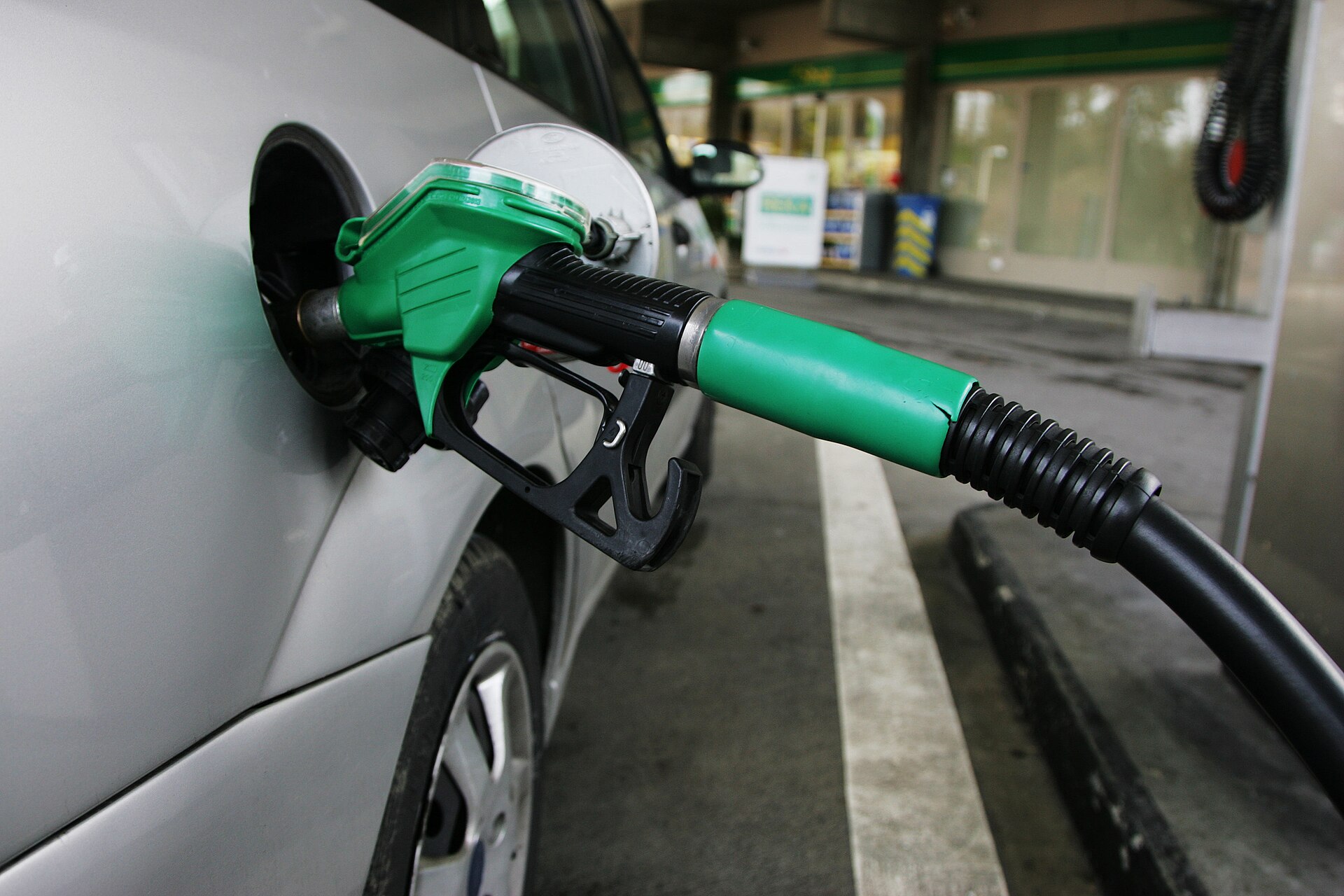
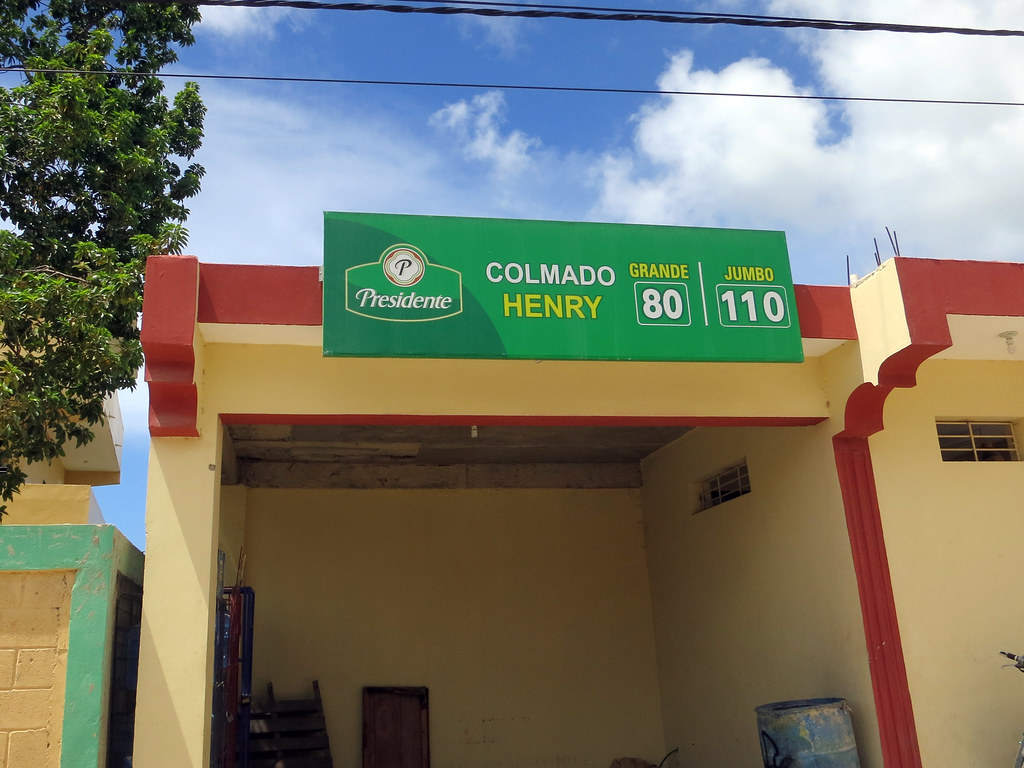
Dominican Republic diesel prices rose for a second straight week on Saturday 26 September. Owners of colmados, the small neighbourhood grocery stores selling rice, chicken and cooking oil, say they cannot absorb the cost.
Free daily brief — no card needed
Get every Caribbean story in one morning email
We build you a personalized brief around the topics you follow — free for 7 days. Love it? Your first month after that is US$1.
Yes, email me my free daily brief — I can unsubscribe any time.
A retailers’ group, the Central Nacional de Detallistas Unidos (CNDU), warned on Monday 28 September that basic food prices may rise next. El Nacional and Hoy both carried the warning, which asks the government for targeted help with the cost of moving food.
One-stop reference
Company Intelligence
Every listed company in Latin America — financials, ownership and structure for 1,450+ companies across 26 exchanges, in one place.
What the corner-shop owners say
CNDU president Ricardo Rosario said diesel is the fuel of the colmado, of freight trucks and of refrigerated transport, Hoy reported. “We cannot keep absorbing costs,” he said, adding that ordinary people pay “in the pound of rice, the chicken and the oil.”
His example was a truck that carried plantains from San Juan, in the south-west, to the capital for RD$15,000 (US$252). The same trip now costs RD$22,000 (US$370), an increase of almost half.
Other shopkeepers report smaller freight rises, of up to 30%, and generator costs up 18%, El Nacional reported. The generator bills come from power cuts, and the association says shops cannot pass them on in full without losing customers.
Electricity is not guaranteed around the clock in much of the country. In July only 44.4% of distribution circuits had 24-hour supply, Diario Libre reported from Energy Ministry data.
Consumers are pushing back too. Neighbourhood groups in Santo Domingo, including the housewives’ association Acadisando, rejected the rise announced on 18 September, Listín Diario reported.
How the government sets fuel prices
The Ministry of Industry, Commerce and Small Business (MICM) publishes official pump prices each week, usually on a Friday. For 26 September to 2 October, regular diesel costs RD$270.80 (US$4.55) a gallon and premium diesel RD$306.10 (US$5.15).
Regular diesel cost RD$262.80 (US$4.42) until 18 September, before rises of RD$5 (US$0.08) and then RD$3 (US$0.05). All dollar values here use 59.48 Dominican pesos to the US dollar, the rate on 29 September.
US drivers pay more: the AAA motoring club put the US diesel average at US$6.44 a gallon on 29 September. Dominican prices follow a formula in Law 112-00 on hydrocarbons, built on import prices and the central bank’s exchange rate.
The ministry says the country imports finished fuels, not crude oil, so refined-product prices drive the bill. In the week to 25 September, a barrel of regular diesel cost about US$180 on world markets and premium diesel about US$206.
Premium diesel reached about US$220 a barrel in mid-September, roughly double its level of about US$104 in February. The ministry blames the conflict between Iran and the United States and limits on shipping through the Strait of Hormuz.
Why the state pays part of every gallon
This week the state covers RD$111.21 (US$1.87) of each gallon of regular diesel, about two-fifths of the pump price. The weekly subsidy bill across all fuels is RD$1,770.65 million (US$29.8 million), the ministry said on Friday 25 September.
Subsidies have cost over RD$35,541 million (US$598 million) in 2026, more than in all of 2022, the ministry says. That is over two and a half times the sum first budgeted, just over RD$13,500 million (US$227 million).
In mid-June Finance Minister Magín Díaz unveiled an anti-crisis plan: a three-month fuel price freeze while oil stayed below US$95. He argued that without subsidies inflation would be near 8% instead of about 5%, N Digital reported.
The freeze did not hold fully: regular petrol and diesel rose at least twice in August, Listín Diario and N Digital reported. The ministry now says the 90-day period has ended, although cooking gas stays frozen at RD$135.20 (US$2.27) a gallon.
Transport operators hold fares, for now
Industry Minister Eduardo “Yayo” Sanz Lovatón met more than a dozen transport federations. The ministry said on Sunday 27 September that they had agreed not to raise fares for now.
He said fiscal measures are under study, and the operators’ requests will be weighed in a supplementary budget for 2026. The options discussed included the Bono Gas fuel subsidy and pensions for drivers, Diario Libre reported.
Juan Marte, president of the National Confederation of Transport Workers (CNTT), says drivers pay far more for engine oil, tyres and repairs. He asked President Luis Abinader to review the hydrocarbons law, Listín Diario reported.
Marte said a plate of food that cost RD$180 (US$3.03) a week earlier now sells for up to RD$270 (US$4.54). That example could not be independently confirmed.
What inflation shows so far
Official data do not yet show a new jump in prices. The Central Bank of the Dominican Republic put annual inflation at 5.13% in August, down from 5.67% in June.
That is just above the top of the bank’s target range of 4%, plus or minus one point. Food and non-alcoholic drinks were up 5.90% on the year and transport 7.36%, the bank’s August report shows.
Core inflation, which strips out volatile food, fuel and regulated prices, fell to 4.76%. September figures, the first to include the latest diesel rises, have not yet been published.
The long view: from steady prices to weekly rises
From 2023 to 2025, Dominican Republic diesel prices barely moved on an annual average basis. Ministry records compiled by Diario Libre show premium diesel averaging about RD$240 (US$4.03) a gallon in each of those years.
Today’s premium diesel price is roughly a quarter above its 2025 average. The last big surge came in 2022, after Russia’s invasion of Ukraine, when the average rose by about half from 2020.
World prices move in the same cycle. Diario Libre, citing S&P Global data, puts premium diesel at US$22.62 a barrel in the April 2020 pandemic slump.
It reached US$194.35 on 2 May 2022, then eased to about US$144 by September 2023. This year it rose to about US$220, and when that rise will ease is not known.
Calls for a clearer price formula
The retailers also want the price formula reviewed for more transparency, an old demand in Dominican politics. Daniel Toribio, finance secretary of the opposition Fuerza del Pueblo and a former finance minister, has made the same call.
“They should make the method of calculation transparent,” Toribio said in a television interview that N Digital reported in July. He added that anyone should be able to understand why fuel prices rise or fall.
Former vice-president Margarita Cedeño, of the opposition Dominican Liberation Party (PLD), criticised the latest rises in a post on X. Almomento.net quoted her on 28 September: “When people’s pockets are squeezed, it should always hurt and worry us.”
The government answers that the state already carries the larger share of the higher costs. Its policy is to avoid passing the full increase on to citizens, the ministry said on 18 September.
What comes next
The current prices apply until Friday 2 October, when the ministry is expected to publish the next week’s list. The CNDU wants an expanded price round-table with producers, distributors and shops, plus targeted compensation for trucks carrying food.
Food suppliers have announced price rises for October, the CNDU says, but it did not name them or say by how much. Whether the government will pay toward freight, and how large the supplementary budget will be, is not yet known.
The rises are about cost, not supply: neither the ministry nor the retailers report any shortage of fuel or food. Nor has inflation turned upward yet, since the annual rate fell in August for a second month running.
The CNDU itself urged its members to avoid speculative price rises. For residents, the next test of Dominican Republic diesel prices comes on Friday 2 October, and September inflation data follow later.
Frequently Asked Questions
What is a colmado?
A colmado is a small neighbourhood grocery store in the Dominican Republic, selling staples such as rice, chicken and cooking oil. Some run diesel generators during power cuts, which makes them sensitive to fuel prices.
How much does diesel cost in the Dominican Republic?
For 26 September to 2 October, regular diesel costs RD$270.80 (US$4.55) a gallon and premium diesel RD$306.10 (US$5.15). The Ministry of Industry, Commerce and Small Business sets the price every week.
Will bus and taxi fares go up?
Transport federations pledged on 27 September not to raise fares for now while talks with the government continue. The pledge is for now only, and their leaders say costs keep rising.
Is inflation high in the Dominican Republic?
Annual inflation was 5.13% in August, just above the central bank’s 3–5% target range and falling for a second month. September data, which will include the latest diesel rises, are not yet out.
This article was produced by The Rio Times’ automated newsroom system. How we use AI · Report an error
The Rio Times · Power Map
See who really holds power in Latin America
Click to open the Power Map →