By The Rio Times | Created at 2026-09-29 15:36:32 | Updated at 2026-09-29 16:45:03
2 hours ago
By The Rio Times | Created at 2026-09-29 15:36:32 | Updated at 2026-09-29 16:45:03
2 hours ago
One-stop reference
Company Intelligence
Every listed company in Latin America — financials, ownership and structure for 1,450+ companies across 26 exchanges, in one place.
Ukraine — Nine dead on Monday, and the war reaches the Academy of Sciences.
France — Civil servants out, school gates blocked, budget blamed.
Brussels — Conceding that Ceuta’s images beat its statistics.
Rome and Prague — Drafting the carbon rules’ postponement for October’s summit.
Europe’s temper this Tuesday is anxiety with an invoice attached. Russian drone strikes killed nine people across Ukraine on Monday, the continent’s gas price has crossed eighty euros per megawatt hour for the first time since late 2022, and every capital is doing its arithmetic in the same currency: fear.
The register is endurance becoming expensive. France’s civil servants are in the street over the budget, Britain’s retailers are warning that inflation returns by 2027, and the euro has lost two per cent of itself in a month.
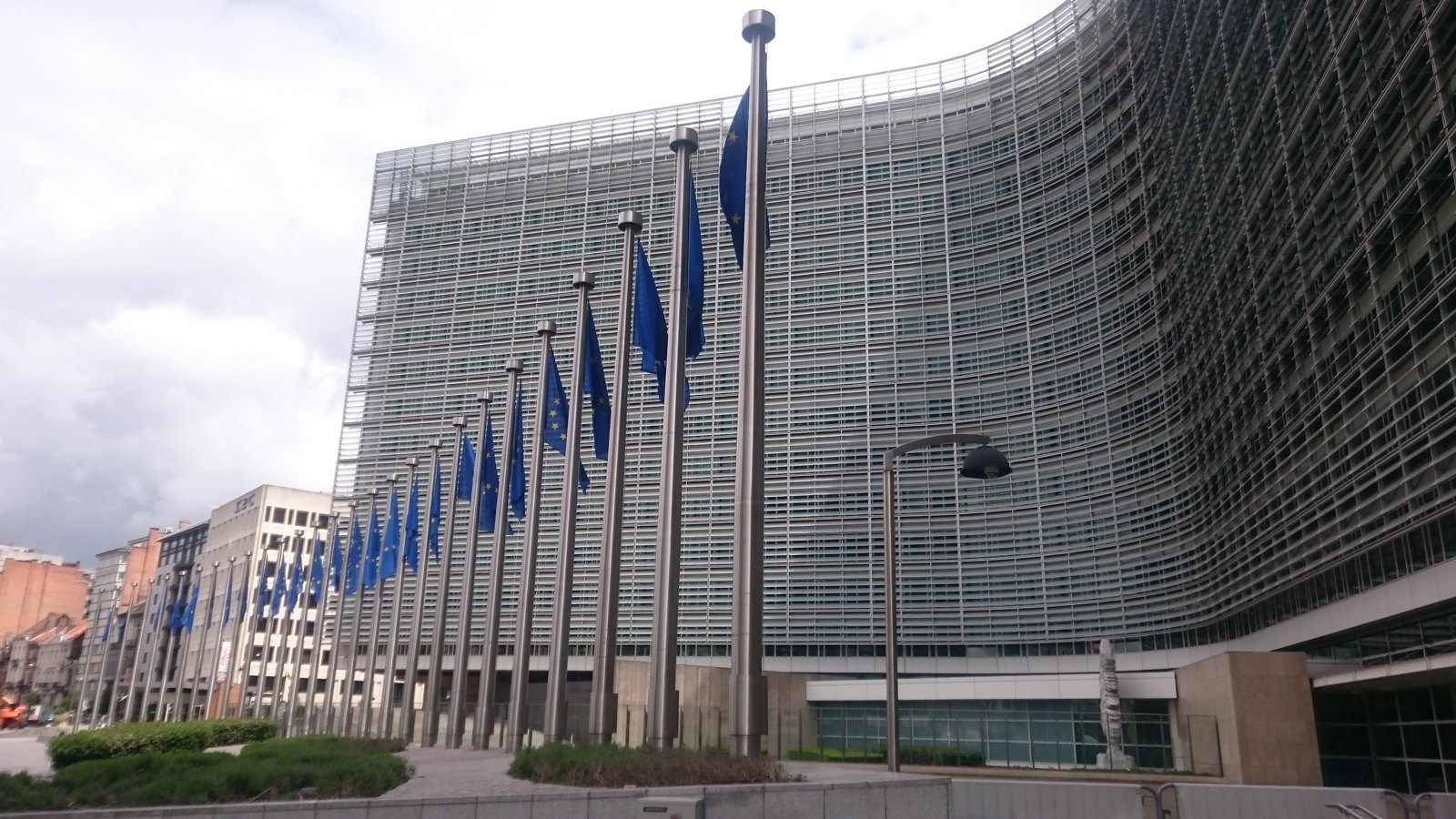
What steadies the continent is procedure, as usual. Brussels completed its migration accounting out loud, the General Court in Luxembourg accepted Google’s challenge for filing, and Rome and Prague announced their rebellion for a summit a fortnight away — Europe processing its crises through institutions it still half-trusts.
The through-line is a continent repricing the war it did not start and cannot end. Monday’s dead, September’s gas curve and the autumn’s strike calendar are the same story told in three dialects.
Key Facts
—Monday’s toll. Nine people were killed and more than 80 injured in Russian drone strikes on Monday, including two killed at the National Academy of Sciences in central Kyiv, President Zelensky said, The Independent reported on 29 September.
—The energy invoice. European gas prices have risen above €80 per megawatt hour this month, the highest since late 2022, and Brent crude stood at US$106.99 a barrel, Reuters reported on 29 September.
—The weaker euro. The euro has fallen about two per cent this month to just below US$1.14, Reuters reported on 29 September, citing war-driven energy prices and political risk.
—France’s day of anger. Civil servants struck and high-school students blocked school entrances across France on 29 September in protest at planned budget cuts ahead of next year’s presidential election, Reuters reported.
—Brunner’s concession. EU migration commissioner Magnus Brunner said the July surge into Ceuta “overshadowed” otherwise good migration statistics; more than 72,000 people crossed into the enclave from Morocco at the end of July, and Spain estimates 12,000 remain, including minors, Reuters reported on 29 September.
—Google’s counterclaim. Google filed challenges on Monday at the General Court in Luxembourg against two EU orders requiring it to open up to AI rivals and search competitors, arguing the measures undermine privacy and would cause irreversible harm, Reuters reported on 29 September.
—The carbon postponement. Italy’s Giorgia Meloni and Czech Prime Minister Andrej Babiš will present joint proposals at the 15-16 October EU summit to curb energy costs and overhaul carbon-market rules, including delaying the 2028 start of the ETS2 scheme, Reuters reported on 29 September.
—Britain’s warning. UK shop price inflation slowed to 1.4 per cent in September from 1.5 per cent in August, but the British Retail Consortium expects consumer-price inflation, 3.1 per cent in August, to exceed four per cent in early 2027 on the energy shock from the Iran war, Reuters reported on 29 September.
The War Reaches The Academy
Monday’s strikes were aimed, whether by targeting or by indifference, at the country’s memory of itself. Nine people were killed and more than 80 injured across Ukraine, President Zelensky said, among them two dead at the National Academy of Sciences in central Kyiv, The Independent reported on 29 September.
The escalation is administrative as well as military. A Russian decree expanding the active army to 1.55 million servicemen landed in the same news cycle, and Zelensky repeated his claim that more than 8,000 North Korean troops are on Russian territory with 10,000 more being prepared — numbers Kyiv offers as evidence and Moscow declines to discuss.
The register in Kyiv is grim routine with a harder floor. A ceasefire offer was on the table only days earlier; by Tuesday the table itself was a target, which is how Kyiv will now describe the week to its backers.
For Europe, the strikes arrive fused with their bill. Gas above eighty euros, Brent near US$107 and a two-per-cent-weaker euro are the war’s second front, fought in every household budget from Lisbon to Warsaw.
France Strikes Before The Campaign Does
France’s public sector chose the budget as its battlefield on 29 September. Civil servants struck and high-school students blocked school entrances in a show of anger at planned cuts, Reuters reported — a rehearsal, in every sense, for next year’s presidential election.
The register in Paris is pre-electoral grievance. Every ministry economy now lands on a street already organised, and the government’s austerity arithmetic is being marked by an audience that intends to vote on it.
The deeper French fact is sequence. A country that filled the Place de la Concorde peacefully for a papal mass on Saturday filled its school gates with anger on Tuesday; the state can manage spectacle and shortage, but increasingly not in the same week.
Brussels Concedes The Image War
Magnus Brunner said the quiet part of European migration policy aloud on 29 September. The July surge into Ceuta, in which more than 72,000 people crossed from Morocco, “overshadowed” otherwise improving statistics, the EU migration commissioner said, Reuters reported; Spain estimates 12,000 remain in the enclave, including minors.
The concession is the policy. When Brussels admits that images beat statistics, it is announcing which of the two it will now legislate for.
The register in Brussels is defensive candour. Expect the autumn’s migration files to be written for the Ceuta photograph rather than the Eurostat table.
Rome And Prague Schedule Their Rebellion
Italy and the Czech Republic have given Europe’s carbon architecture a date with its critics. Meloni and Babiš will present joint proposals at the 15-16 October summit to curb energy costs and overhaul carbon-market rules, including postponing the 2028 start of the ETS2 scheme, Reuters reported on 29 September.
The register in the two capitals is industrial self-defence with a coalition attached. Gas above eighty euros has made decarbonisation’s timetable a household issue, and two governments are betting that more member states will say so in October than said so in spring.
London Counts Down To Four Per Cent
Britain’s inflation story is now a forecast with a threat in it. Shop price inflation slowed to 1.4 per cent in September, but consumer-price inflation stood at 3.1 per cent in August and the British Retail Consortium expects it past four per cent in early 2027 on the energy shock from the Iran war, Reuters reported on 29 September.
The register in London is brittle patience. Households are being told the worst is priced in by people who simultaneously predict it gets worse, and the gap between those two sentences is where British politics now lives.
Google Files, Luxembourg Decides Later
Google challenged two EU orders to open up to AI rivals and search competitors at the General Court on Monday, arguing privacy risks and irreversible harm, Reuters reported on 29 September. The case is slow by design; the filing is the message.
The register in the platform wars is attrition. Brussels regulates on a calendar, the platforms litigate on a longer one, and the market moves faster than both — a triangle Europe has not yet solved.
What This Means From Latin America
Gas above eighty euros is Argentina’s opportunity memo. Vaca Muerta’s liquefied-gas ambitions have waited on exactly this price signal, and every week Europe pays a war premium is a week Latin American energy projects finance more easily.
The ETS2 postponement fight matters to every Latin exporter with a European customer. Weaker carbon rules ease near-term compliance costs for Brazilian steel and Argentine agriculture, but they also signal that Europe’s green demand — the premium market the region’s producers have invested to serve — is politically softer than announced.
The euro’s two-per-cent slide and Brent at US$107 split the region by trade balance. Commodity exporters collect the price; fuel importers pay it; and every central bank from Brasília to Bogotá re-runs its inflation path on Tuesday’s European numbers.
The comparison is set out at greater length elsewhere. The dossier carries the leader, the country health check and the outcome table with its Latin America column — open the Europe Intelligence Dossier.
What We Are Watching
- The coming nights: Kyiv’s air — Monday killed nine and reached the Academy of Sciences. Whether the tempo holds decides if September closes as an escalation month or a spike.
- 15-16 October: the EU summit — Meloni and Babiš table their energy-cost and carbon proposals. A third co-signatory would turn a bilateral complaint into a policy track.
- This week: France’s streets — Tuesday’s strike was the budget’s first test. A second day of blocked schools moves the story from protest to negotiation.
- The fortnight: Ceuta’s residue — Spain counts 12,000 still in the enclave, including minors. Their processing is the migration file’s human remainder, and Brussels has admitted it is watching the images.
- Ongoing: the gas curve — Above eighty euros per megawatt hour, every government’s winter plan is repriced weekly. Watch the October contract, not the rhetoric.
- Slow burn: Google v. the orders — Luxembourg’s General Court now holds the AI-search fight. Interim relief, or its absence, is the first ruling that matters.
Background: BRICS Just Got Bigger — Who’s In, Who’s Still Out, and Why It Matters.
Background: Defense Monitor: Europe’s Rearmament, Tracked.
Frequently Asked Questions
How bad were Monday’s strikes on Ukraine?
Nine people were killed and more than 80 injured, President Zelensky said, including two dead at the National Academy of Sciences in central Kyiv, The Independent reported on 29 September. The same cycle brought a Russian decree expanding the active army to 1.55 million — a mobilisation signal paired with the strikes.
Why are French civil servants striking?
Over the budget, and over timing. Civil servants struck and students blocked schools on 29 September against planned spending cuts, Reuters reported, in a country already campaigning in everything but name for next year’s presidential election. Austerity announced into an election year is the defining gamble of France’s autumn.
What exactly happened in Ceuta in July?
More than 72,000 people surged into the Spanish enclave from Morocco at the end of July, Reuters reported on 29 September, and Spain estimates 12,000 remain, including minors. EU commissioner Magnus Brunner conceded the episode “overshadowed” improving migration statistics — the union’s clearest admission this year that the border is a political fact, not a statistical one.
Why do Italy and the Czech Republic want the carbon rules delayed?
Because energy prices have made the timetable a voter issue. With gas above €80 per megawatt hour, Meloni and Babiš will propose curbing energy costs and postponing the 2028 start of the ETS2 carbon scheme at the 15-16 October summit, Reuters reported — betting that the price of decarbonisation now outranks its promise.