By The Rio Times | Created at 2026-09-29 15:36:31 | Updated at 2026-09-29 16:45:03
2 hours ago
By The Rio Times | Created at 2026-09-29 15:36:31 | Updated at 2026-09-29 16:45:03
2 hours ago
One-stop reference
Company Intelligence
Every listed company in Latin America — financials, ownership and structure for 1,450+ companies across 26 exchanges, in one place.
The border — One minute past midnight, the bans on Canadian goods went live.
Washington — Denying Iran relief in capitals, warning Cuba in plain words.
Ottawa — Absorbing the hit, and counting what the provinces still block.
The bond market — Yields near two-decade highs, watching the Gulf.
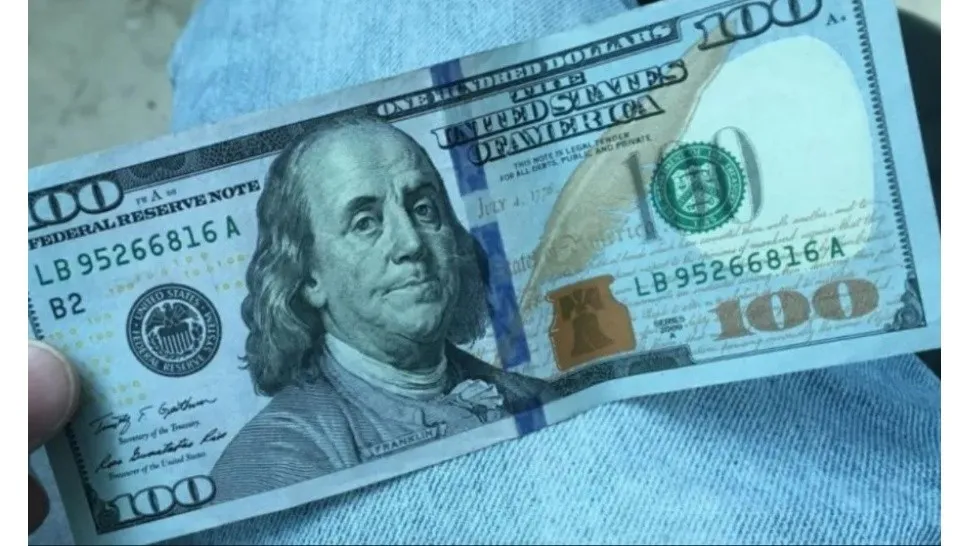
North America’s temper this Tuesday is confrontation as routine. The United States began banning nearly a billion dollars of Canadian goods at one minute past midnight, and by breakfast both capitals were treating a trade war between allies as an administrative event.
The register in Washington is pressure without pause. President Trump spent Monday denying he had offered Iran anything, his secretary of state warned Havana not to wait him out, and the proclamations signed three weeks ago simply took effect on schedule.
What steadies the continent is the strange calm of the expected. Canada’s provinces had priced the bans, its distillers had already looked for domestic shelves, and the bond market’s anxiety is about yields and the Gulf, not about Ottawa.
The through-line is a superpower using its market as an instrument in every direction at once — north against a neighbour, west against a rival, south against an island — and a continent learning that predictability of pressure is not the same as stability.
Key Facts
—The bans are live. US import bans on nearly US$1 billion of Canadian goods took effect at 12:01 a.m. Eastern on Tuesday, 29 September, covering alcoholic beverages, dairy products and motorcycles, Reuters reported; the proclamations were signed on 8 September.
—No retreat. President Trump said on Monday he expected Canada to return to talks and signalled he would not back down, Reuters reported, while adding he thought a deal would still be made.
—The Iran denial. Trump denied offering Iran sanctions relief or a release of frozen funds in return for nuclear concessions, saying he had offered “nothing”, Reuters reported on 29 September, covering his Monday statement.
—Rubio’s warning. Secretary of State Marco Rubio said on Monday the US hopes Cuba will choose “a different path”, and that those expecting to outlast the administration would “learn the lesson the hard way”, Reuters reported.
—The domestic pivot. Canadian drinks producers are hunting for domestic sales to offset the US ban, while a government spokesperson said there is “much more to do” to streamline provincial regulations, Reuters reported on 29 September.
—Carney’s day. Prime Minister Mark Carney is in Vancouver today for a major energy announcement and a separate ocean-protection event, the Canadian Press reported, as the trade fight deepened around him.
—Manitoba’s vacancy. The province’s Progressive Conservatives entered the autumn session without a leader after Obby Khan resigned on Monday, citing internal feuding; the caucus was to choose an interim leader on Tuesday morning, the Canadian Press reported.
—The yield backdrop. US Treasury yields are near their highest levels in roughly two decades, the Washington Post reported on 29 September, with markets nervous over US-Iran tensions and Gulf shipping routes.
One Minute Past Midnight
The trade war acquired its effective date while both countries slept. At 12:01 a.m. Eastern on Tuesday, US import bans on nearly US$1 billion of Canadian goods — alcohol, dairy ingredients, motorcycles — moved from proclamation to practice, Reuters reported.
The proclamations were signed on 8 September, which makes this a scheduled escalation, not an improvised one. Washington gave Ottawa three weeks to blink, and Ottawa spent them reorganising its liquor shelves instead.
The register in the two capitals is mirror-image defiance. Trump says Canada will come back to the table; Canada’s producers, told to pivot domestic, are discovering that their own provinces’ regulations are a second border, with a government spokesperson conceding there is “much more to do”.
The quiet significance is precedent. A Washington that bans a billion dollars of Canadian goods on a Tuesday morning has written the operating manual every trading partner now studies — beginning, one suspects, in Mexico City.
Washington Denies In Capitals
The president’s Monday denial had the force of a headline because it was meant to. He had offered Iran “nothing” — no sanctions relief, no frozen funds, no concessions for nuclear movement — Reuters reported, pushing back on a report that such an offer existed.
The denial keeps two audiences calm at once: hawks who would punish any offer, and Tehran, which is told the account is empty until it moves first. Diplomacy conducted as denial is still diplomacy, but only just.
Rubio Tells Havana Not To Wait
Marco Rubio’s Monday message to Cuba was constructed as a clock warning. The US hopes Havana chooses “a different path”, and those expecting to outlast this administration will “learn the lesson the hard way”, Reuters reported.
The register is a closing window. Sixty years of Cuban strategy has rested on outlasting American presidents, and the secretary of state has now named that strategy aloud in order to disqualify it.
Ottawa’s Absorption Test
Canada’s Tuesday was the administrative face of a shock. Carney flew to Vancouver for an energy announcement and an ocean-protection event, keeping the calendar as a statement; Manitoba’s Progressive Conservatives, leaderless since Monday’s resignation, spent the morning choosing an interim chief; and the drinks industry began the arithmetic of selling at home what it can no longer ship south.
The register in Ottawa is managerial composure under duress. The government’s bet is that Canadians will read steadiness as competence, and that Washington will eventually need the talks it currently disdains.
The Bond Market Watches The Gulf
Underneath the day’s politics runs the week’s real nervousness. Treasury yields are near their highest in roughly two decades, the Washington Post reported on 29 September, with Wall Street softer and oil steady only because nobody can price the Strait of Hormuz.
The register in the market is expensive caution. When the safest asset in the system pays like a risk asset, every other price on the continent is a question about the same chart.
What This Means From Latin America
The Canada bans are Mexico’s reading assignment. Every clause Washington demonstrates against Ottawa — proclamation, three-week runway, midnight effect — is a clause available against the USMCA’s third partner, and Mexican negotiators will treat today as a preview, not a neighbour’s quarrel.
Rubio’s Cuba line is the region’s direct file. A Washington that publicly disqualifies the waiting game is signalling sustained pressure on Havana, with the usual consequences for the Caribbean’s migration flows and for every Latin American government balancing its Cuba policy against its Washington one.
Two-decade-high yields are the hemisphere’s shared tax. Latin American sovereigns and corporates borrow in the shadow of that curve, and a nervous Gulf premium in oil splits the region again between the exporters who collect it and the importers who pay it.
The comparison is set out at greater length elsewhere. The dossier carries the leader, the country health check and the outcome table with its Latin America column — open the USA & Canada Intelligence Dossier.
What We Are Watching
- Wednesday, 30 September: the first full day of the bans — Customs reality, shelf gaps and any Canadian counter-measure turn Monday’s proclamation into an economic fact.
- Early October: the talks that are not scheduled — Trump says Canada will come back; Ottawa says nothing yet. The first confirmed meeting is the story’s pivot.
- Today: Carney’s Vancouver announcement — An energy package on the day the bans land is a positioning move. Whether it contains trade-related measures is the detail to catch.
- This week: Manitoba’s interim leader — A provincial caucus vote is small politics with a large context: Canada’s conservatives are re-sorting themselves mid-trade-war.
- Early October: the Iran channel — After a denial that loud, any mediator contact will be measured against the word “nothing”. Watch for the contradiction, not the communiqué.
- Ongoing: yields and the Gulf — Two-decade-high yields plus an unpriced Hormuz risk is the week’s compound variable. Either one moving decides the continent’s financing weather.
Background: Cuba Explained 2026: The Island Washington Keeps Warning.
Background: Brazil Election Results 2026: Live Updates, Vote Count and Runoff Scenarios.
Frequently Asked Questions
What exactly did the US ban from Canada today?
Import bans on nearly US$1 billion of Canadian goods took effect at 12:01 a.m. Eastern on 29 September, covering alcoholic beverages, dairy products and motorcycles, Reuters reported. The proclamations were signed on 8 September, making this a scheduled escalation rather than a surprise.
Did Trump offer Iran sanctions relief?
He says not, in capitals. The president denied offering sanctions relief or a release of frozen funds for nuclear concessions, saying he had offered “nothing”, Reuters reported on 29 September — a denial aimed simultaneously at domestic hawks and at Tehran’s negotiators.
What did Rubio say about Cuba?
That the waiting strategy is over. The secretary of state said on Monday the US hopes Cuba chooses “a different path”, and that those expecting to outlast the administration will “learn the lesson the hard way”, Reuters reported — a direct challenge to Havana’s sixty-year habit of surviving presidencies.
How is Canada responding to the bans?
Quietly and domestically, so far. Producers are pivoting to home sales, a government spokesperson concedes provincial regulations need “much more” streamlining, and Carney kept to a scheduled energy announcement in Vancouver, Reuters and the Canadian Press reported. No counter-measure had been announced by Tuesday.