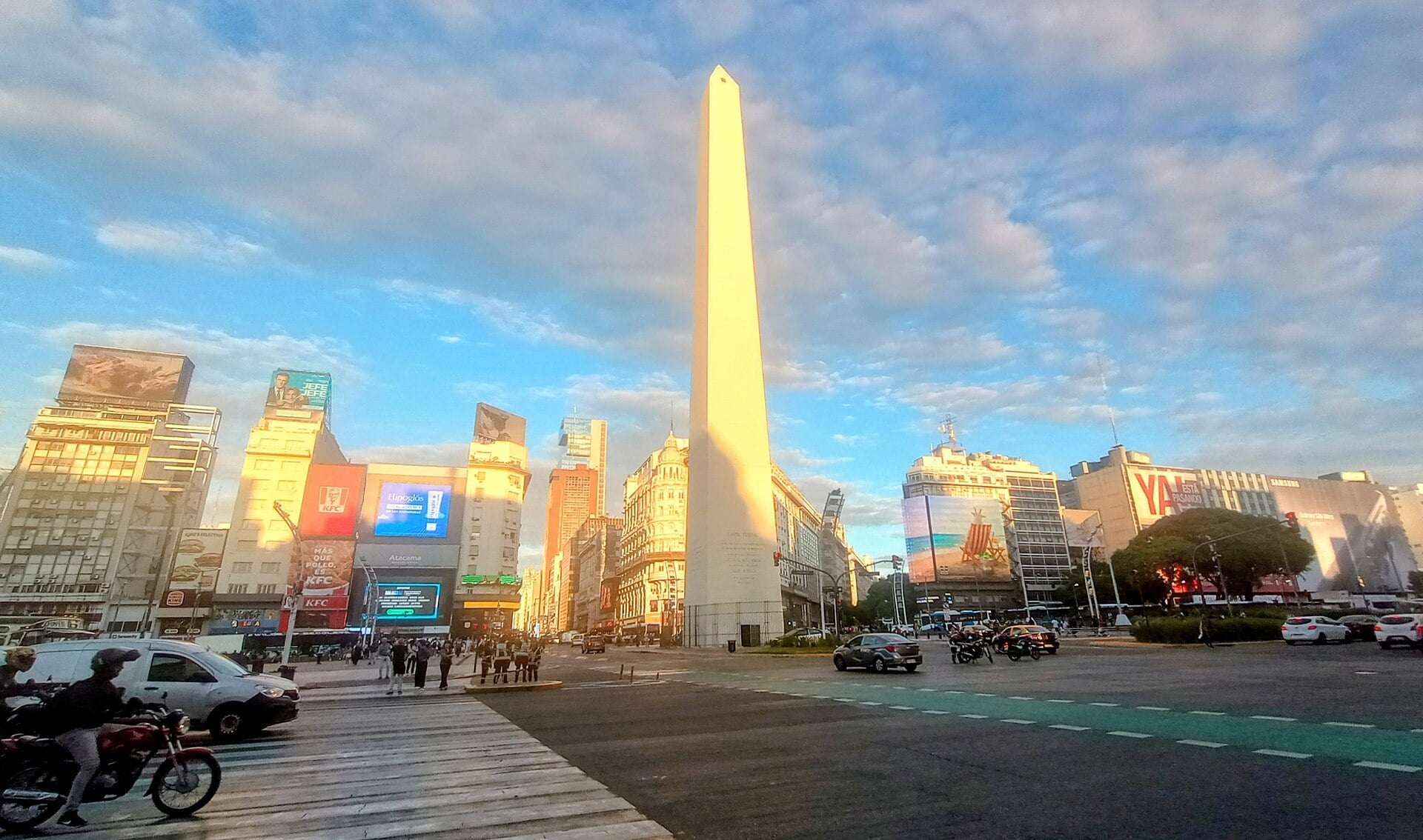
In the prelude to a new meeting of the Minimum Wage Council, the Labour Department of Argentina’s government is pushing for a collective wage bargaining floor of a monthly one million pesos (around US$660) in order to boost purchasing power.
The initiative comes in a context where the current minimum wage is 376,600 pesos – well below most wages emerging from collective bargaining.
The proposal is part of President Javier Milei government’s increasingly creative approach to wages. Rather than significantly increasing the legal minimum, the Casa Rosada believes collective bargaining – a private mechanism in which workers and employers negotiate with each other – can do the heavy lifting.
The government maintains that a higher wage floor will boost consumer spending and slow down inflation without any additional fiscal impact since it would be the product of a basically private agreement.
As Argentina heads into discussions over the minimum wage for the second half of the year, the government appears keen to discover just how much can be left to the market while still being gently nudged in the right direction.
The Labour Department is reportedly pushing for a guaranteed floor of a gross pay of 1.07 million pesos with 860,000 pesos net.
Jorge Sola, one of the three CGT secretaries-general, expressed his scepticism about the rumour, saying: “Looks more like a government operation.”
“For us collective bargaining must be freely agreed between the two sides with no anchors to lower inflation because that way you lose purchasing power and consumer spending, ending up with families in debt,” he added.
According to Empiria consultants, real wages in June were 4.1 percent down from mid-2025 and 10.9 percent down from the first three quarters of 2023.
– TIMES/NA
related news