By The Rio Times | Created at 2026-08-15 17:41:38 | Updated at 2026-08-15 17:48:39
45 minutes ago
By The Rio Times | Created at 2026-08-15 17:41:38 | Updated at 2026-08-15 17:48:39
45 minutes ago
Guinea-Bissau · POLITICS
Key Facts
—Referendum date: Guinea-Bissau will vote on a new constitution on 30 August 2026, just three months before presidential elections reportedly scheduled for 6 December 2026.
—Campaign window: Only 55 days elapsed between the 6 July 2026 decree calling the referendum and voting day, a period civil-society groups call insufficient for public education.
—Power shift: The draft constitution would make the President both Head of State and Head of Government, with authority to appoint and dismiss the Prime Minister regardless of parliamentary majority.
—Electoral threshold: A proposed 4 percent electoral threshold could lead to the dissolution of smaller parties, reducing political pluralism.
—Civil-society signatories: CTO-Bissau / Fórum de Paz, Voz di Paz, WANEP-Guinea-Bissau and Liga Guineense dos Direitos Humanos have called for suspension of the referendum.
—Strategic stakes: Outside powers are watching closely, given Guinea-Bissau’s untapped bauxite and phosphate deposits, potential offshore hydrocarbons and the long-planned Buba deep-water port.
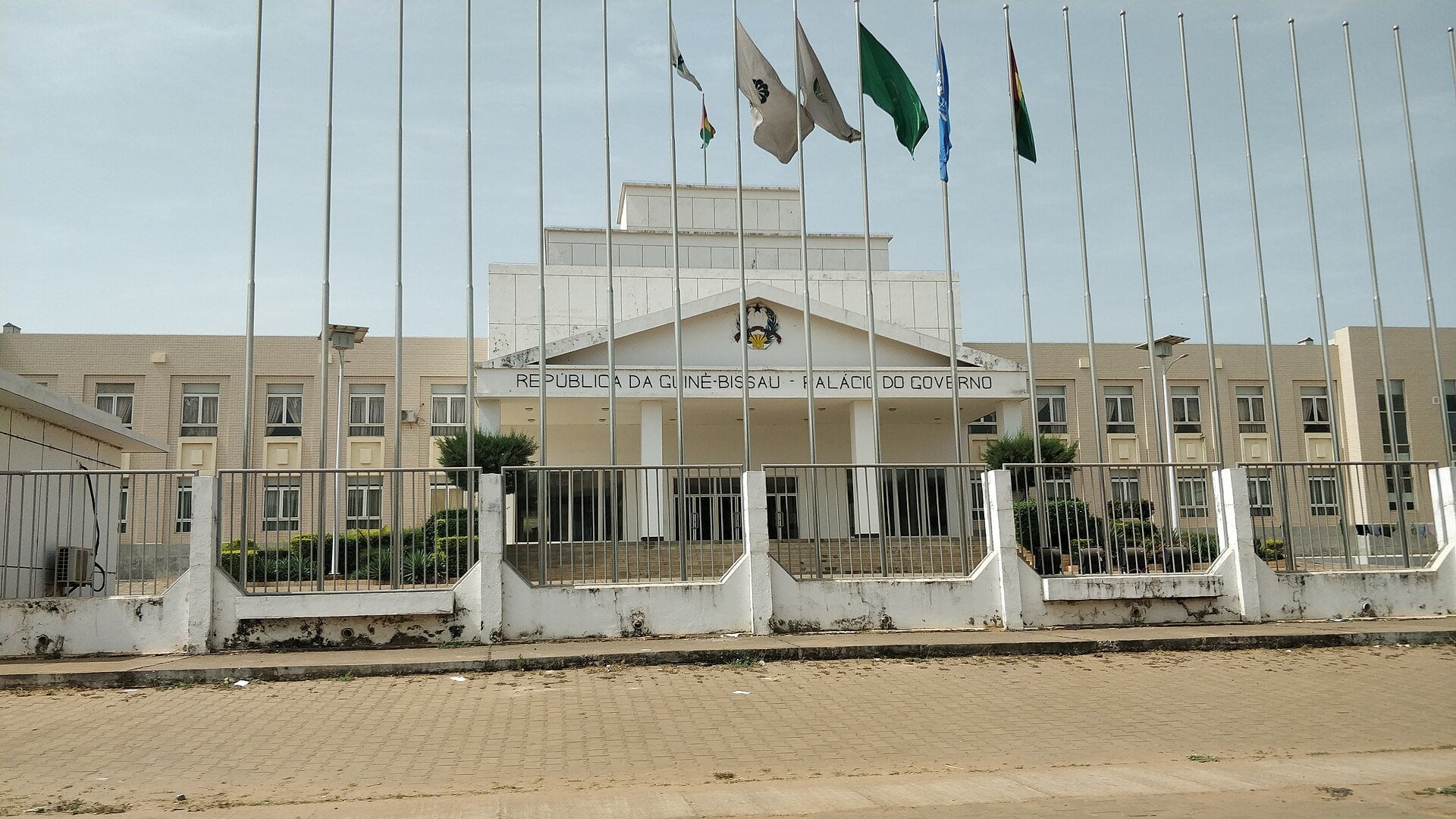
The Guinea-Bissau referendum campaign on a new constitution has triggered sharp warnings from domestic and regional civil-society groups, who say the 30 August 2026 vote is rushed, exclusionary and designed to entrench presidential power under military-backed transitional rule.
One-stop reference
Company Intelligence
Every listed company in Latin America — financials, ownership and structure for 1,450+ companies across 26 exchanges, in one place.
A constitution by decree under transitional rule
The path to the referendum began in late 2025, when a High Military Command junta led by General Horta N’Tam seized power and replaced the elected parliament with an unelected National Transitional Council (NTC).
On 6 July 2026, General N’Tam signed a decree calling a national referendum for 30 August 2026, asking voters a single question: whether they accept the entry into force of the new constitution approved by the NTC.
Critics stress that the draft was approved by the unelected NTC without the broad national dialogue a new constitution would normally require, involving political parties, civil society, and traditional and religious authorities.
President Umaro Sissoco Embaló had already dissolved parliament in December 2023, and opposition leader Domingo Simões Pereira of the PAIGC party has been a central figure in the country’s protracted political standoff.
What the draft constitution would change
The proposed text moves Guinea-Bissau from a semi-parliamentary system toward a strongly presidential framework, with the President becoming simultaneously Head of State and Head of Government.
The President would chair the Council of Ministers and lead government action, and would gain authority to appoint and dismiss the Prime Minister regardless of the parliamentary majority emerging from legislative elections.
The Prime Minister would become explicitly subordinate to the President’s orientations, while the renamed National Assembly could not validate presidential appointments or dismissals of the prime minister.
The draft also introduces a 4 percent electoral threshold that could lead to the dissolution of smaller parties, further narrowing the space for political pluralism.
Civil society sounds the alarm on the Guinea-Bissau referendum campaign
A coalition of Guinea-Bissau civil-society groups has issued detailed communiqués calling for suspension of the referendum, including CTO-Bissau / Fórum de Paz, Voz di Paz, WANEP-Guinea-Bissau and Liga Guineense dos Direitos Humanos.
The groups state that the draft “did not result from an inclusive process” involving political parties, civil society, traditional and religious authorities, social partners and academia.
They also warn that “the majority of the population is unaware of the content” of the draft, and that the 55-day window between decree and vote is insufficient for education and debate.
Regional networks including WADEMOS and Africtivistes have issued joint statements denouncing “constitutional manipulations” in Guinea-Bissau and across West Africa aimed solely at remaining in power.
Money, minerals and the great-power contest
The constitutional fight is inseparable from Guinea-Bissau’s strategic resources, including bauxite, phosphates and potential hydrocarbons, as well as the planned Buba deep-water port.
Guinea-Bissau’s untapped bauxite and phosphate deposits, its potential offshore hydrocarbons and the long-planned Buba deep-water port have long drawn interest from external powers seeking footholds in West Africa.
A strong, unchecked presidency could also make it easier to lock in long-term resource and port concessions with limited legislative scrutiny.
China is watching with interest in infrastructure, fisheries and long-term resource access, while the European Union, Portugal and the United States worry about democratic backsliding and narcotics routes. The wider scramble for influence is covered in our pillar on Africa: The New Scramble.
A regional playbook of constitutional manipulation
The Guinea-Bissau case mirrors trends in other Sahel and coastal states, where military or hybrid regimes use constitutional change to reset clocks and redistribute institutional power in their favour.
In neighbouring Guinea, a draft constitution submitted in June 2025 by the National Transitional Council under General Mamadi Doumbouya proposed a seven-year renewable presidential term, prompting similar criticism.
Guinea’s September 2025 referendum delivered overwhelming approval of 89.38 percent, yet civil-society actors argued the process mostly served to legitimise the ruling regime’s continued leadership rather than democratise governance.
Ahead of that referendum, military rulers suspended major opposition parties for 90 days, restricting political campaigning and protests.
What to watch next
The referendum is set for 30 August 2026, with presidential elections reportedly scheduled for 6 December 2026 under transitional military oversight.
Opposition parties have demanded postponement of the referendum, arguing that passing a new constitution during a military-led transition predetermines the rules of the post-transition political game in favour of incumbents.
For investors and external partners, the key risk is legal uncertainty over contracts if future governments contest deals signed under a controversial constitution.
The European Union and Portugal face a geopolitical balancing act: over-pressure through sanctions could push Bissau further toward Russian or Chinese financing, while inaction risks normalising constitutional manipulation in West Africa.
Frequently Asked Questions
When is the Guinea-Bissau constitutional referendum?
The referendum is scheduled for 30 August 2026, with presidential elections reportedly set for 6 December 2026.
Why are civil-society groups opposing the Guinea-Bissau referendum campaign?
They say the draft constitution was not produced through an inclusive process, the 55-day campaign window is too short, and the text concentrates excessive powers in the presidency.
What would the new constitution change about presidential power?
The President would become both Head of State and Head of Government, with authority to appoint and dismiss the Prime Minister regardless of parliamentary majority, and to dissolve parliament in a “deep political crisis”.
Connected Coverage
For more on how resource competition and great-power rivalry are reshaping West African politics, read our pillar on Africa: The New Scramble.
Sources
This article was produced by The Rio Times’ automated newsroom system. How we use AI · Report an error
The Rio Times · Power Map
See who really holds power in Latin America
Click to open the Power Map →