 By GB News (World News) | Created at 2026-09-14 11:35:48 | Updated at 2026-10-05 22:03:53
3 weeks ago
By GB News (World News) | Created at 2026-09-14 11:35:48 | Updated at 2026-10-05 22:03:53
3 weeks ago
Interest rates are expected to rise once again following recent developments in the US-Iran war as economists warn the Bank of England's "patience is running thin"
Oil prices surged again as conflict escalated in the Middle East, with analysts warning "things could get ugly very quickly". The price rises are expected to fuel inflation and could lead to the Bank of England hiking interest rates, experts said.
Currently, the UK central bank's base rate sits at 3.75 per cent after reaching highs of 5.25 per cent following the Covid-19 pandemic.
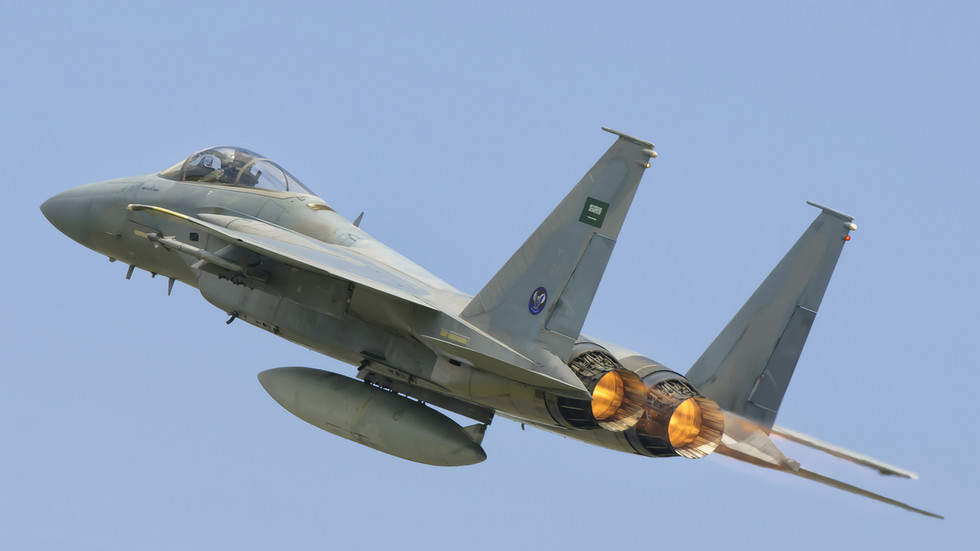
As winter approaches, UK gas prices are at their highest since December 2022. The weekend saw strikes on Saudi Arabia, including a drone hit on a vital oil pipeline.
The Bank of England is expected to hike interest rates as oil prices rise

GETTY
The pipeline is currently closed, and traders have warned they could run out of exports if it is not reopened within days.
The 745-mile pipeline has been critical for Saudi after the de-facto closure of the Strait of Hormuz.
Oil output from the Kingdom has fallen to its lowest level in more than three decades, says the International Energy Agency (IEA).
The strikes came as the Houthis advanced in Yemen, increasing the rebels’ ability to threaten the vital Bab el-Mandeb strait, the southern gateway to the Suez Canal.

With shipping through the both the Strait of Hormuz and Bab el-Mandeb under threat, analysts fear oil prices could stay high for a lengthy period, stoking inflation globally.
A meeting in Oman between Iran and Gulf Arab states, scheduled for Monday to discuss a deal on opening the Strait of Hormuz, was postponed.
The markets were being "being subjected to their worst fears all at once", said Chris Beauchamp, Chief Market Analyst at investing and trading platform IG.
Today, Brent crude, an international benchmark for prices, increased by three per cent to more than $108 a barrel.

Gas prices also climbed higher in response to the conflict escalation, with the UK benchmark rising by five per cent.
Due to refining capacity being so stretched, prices for diesel and jet fuel are far higher than before the war, meaning a “direct hit” for consumers, experts said.
Goldman Sachs had previously expected no rise in interest rates this year in the UK.
However, analysts have since stated: "Recent weeks have seen significant increases in wholesale energy prices, a larger rise in headline inflation than the Bank had expected, and strong growth data."
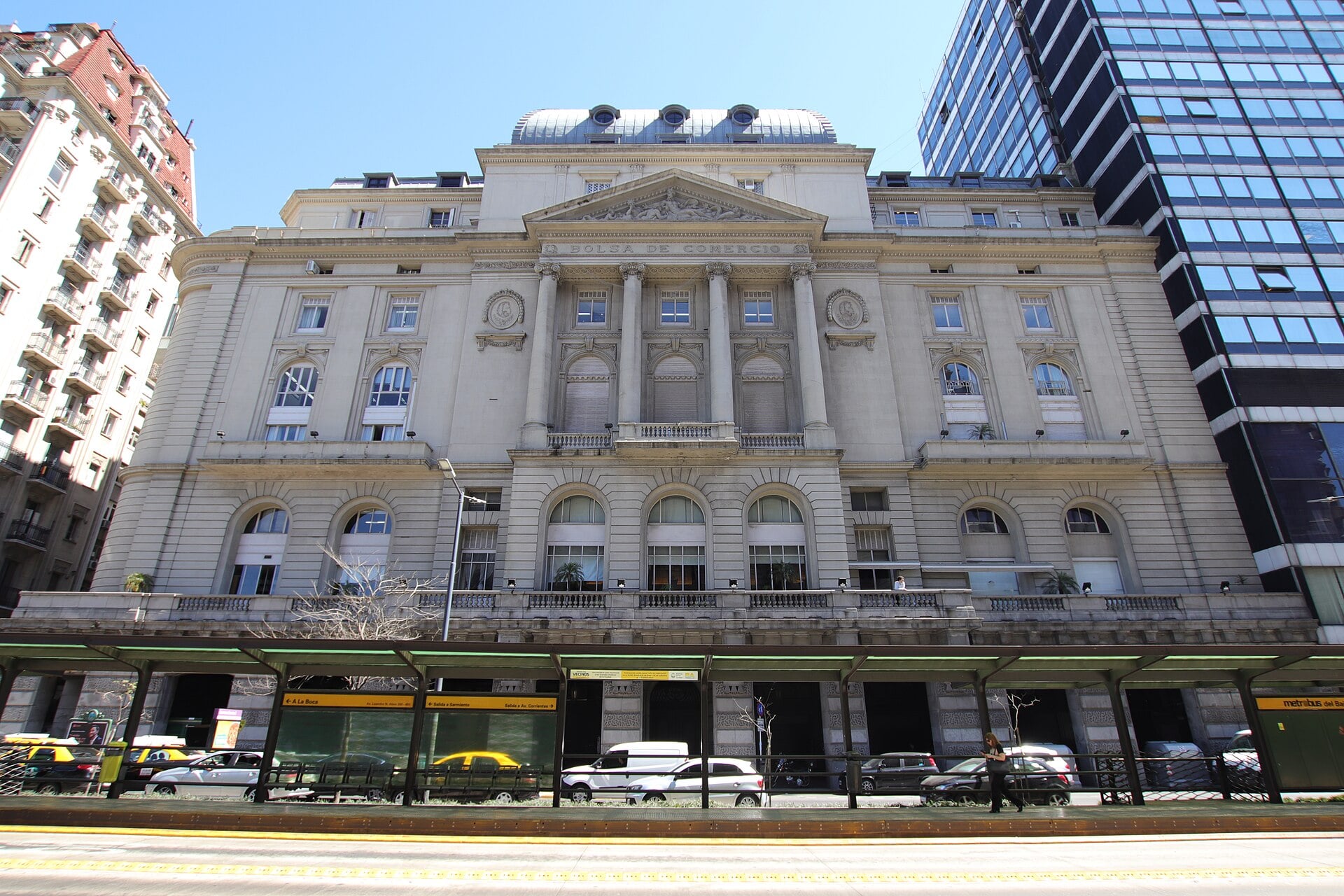
The Bank of England's Monetary Policy Committee (MPC) meets later this week (September 17), with interest rates on the agenda.
The European Central Bank raised its key interest rate last week, although it was from a lower level. The US Federal Reserve is widely considered likely to take the same step this week.
Sanjay Raja, an economist at Deutsche Bank, suggested: "The MPC’s patience may be running thin and the case for staying on hold is weakening slowly."
The Bank of England's base rate has fallen to 3.75 per cent in recent years

Experts warned that the widening of the conflict into Yemen combined with the drone strikes on Saudi suggested “an uncomfortable reality”, that the war no was not a “short lived supply shock” but a longer and more unpredictable challenge.
Earlier this year, President Trump forecast the war would last a matter of weeks.
He has since said he believes there will be no resolution before November’s US midterm elections.
Asked when he thought the war might end while on his visit to Ireland, President Trump said: “I think very soon, I think it’ll be right after the midterms, actually. I would say shortly, and oil will come tumbling down when that happens.”