By The Rio Times | Created at 2026-10-11 08:46:57 | Updated at 2026-10-11 09:56:18
2 hours ago
By The Rio Times | Created at 2026-10-11 08:46:57 | Updated at 2026-10-11 09:56:18
2 hours ago
GUIDES · JAMAICA
Key Facts
- —Jamaica An English-speaking Caribbean island of 2.84 million people in 2025, per the World Bank. Its economy produced US$22.7 billion that year.
- —Income group Upper-middle income for the World Bank’s 2027 fiscal year, with gross national income of US$7,790 per person in 2025.
- —Human development UN index score of 0.720 for 2023, ranked 117th of 193 countries. That is the “high” band (UNDP, 2025).
- —Public debt Down from a peak of 147 percent of GDP to below 70 percent by March 2025, per the finance ministry. After Hurricane Melissa the government projects a rise to 68 percent.
- —Hurricane Melissa Struck on 28 October 2025. Damage and losses reached US$12.2 billion, or 56.7 percent of 2024 GDP, per the Planning Institute of Jamaica (March 2026).
- —US travel advice Level 2, “Exercise Increased Caution”, in the State Department advisory reissued in June 2026. It cites crime and health risks.
- —Currency The Jamaican dollar. The Bank of Jamaica’s indicative selling rate was J$159.83 to the US dollar on Friday 9 October 2026.
Is Jamaica a third world country? Not by any official measure in use in 2026. The World Bank ranks it upper-middle income, and the UN rates its human development “high”.
The label still turns up in American searches, travel forums and diaspora debates. This guide explains what the phrase meant and what replaced it. It then shows where Jamaica stands against the United States and its neighbours.
Is Jamaica a Third World Country by Modern Measures?
The short answer is no, with caveats. “Third world” is a Cold War political term, not an income bracket, and no international body uses it to classify countries. The measures that replaced it place Jamaica in the middle of the global table, not at the bottom.
On the World Bank’s scale, Jamaica sits in the third of four income groups, upper-middle income. On the UN’s Human Development Index it ranks 117th of 193 countries. That puts it in the “high” band, alongside much of Latin America.
The caveat is distance from the top. Jamaican income per person is under a tenth of the US level. A category 5 hurricane in October 2025 also wiped out more than half a year’s output in damage and losses. Jamaica is a middle-income country that is poorer and more exposed than its labels suggest.
Where the Term Third World Came From
The phrase was coined by the French demographer Alfred Sauvy. He used it on 14 August 1952 in the weekly L’Observateur. The article was titled “Trois mondes, une planète” (Three worlds, one planet).
Sauvy borrowed the idea from the “third estate” of the French Revolution. Those were the commoners, ignored by nobility and clergy. His third world was the group of poorer nations ignored by the two Cold War blocs.
In Cold War usage, the first world meant the capitalist, industrialised states led by the United States. The second world meant the communist states led by the Soviet Union. Everyone else, from India to most of Africa and Latin America, became the third world.
The term was never an economic score, and once the Soviet bloc collapsed it lost even its political meaning. In everyday American English it survives as loose shorthand for poor, unsafe or badly run, which is why it causes offence.
The World Bank has been cautious even about the softer term “developing world”. In a 2015 data blog, two of its statisticians wrote that the bank uses such terms carefully. They stressed it was not judging the development status of any country.
Jamaica’s World Bank Income Group and GNI Per Capita
The World Bank sorts economies into four groups by gross national income (GNI) per person. It uses its Atlas method. The thresholds for fiscal 2027, based on 2025 income, are these:
- Low income: US$1,175 or less per person.
- Lower-middle income: US$1,176 to US$4,635.
- Upper-middle income: US$4,636 to US$14,375.
- High income: more than US$14,375.
Jamaica’s GNI per person was US$7,790 in 2025, comfortably inside the upper-middle band. It is about US$6,600 short of the high-income line. The United States stood at US$88,810.
Adjusted for local prices, the gap narrows but stays wide. Jamaica’s GNI per person at purchasing power parity was US$13,090 in 2025, against US$89,490 for the United States. That is roughly one-seventh of the American level.
Remittances matter more than in most countries. Money sent home by Jamaicans abroad equalled 16.3 percent of GDP in 2025, according to World Bank data.
Human Development: How Jamaica Scores on the UN Index
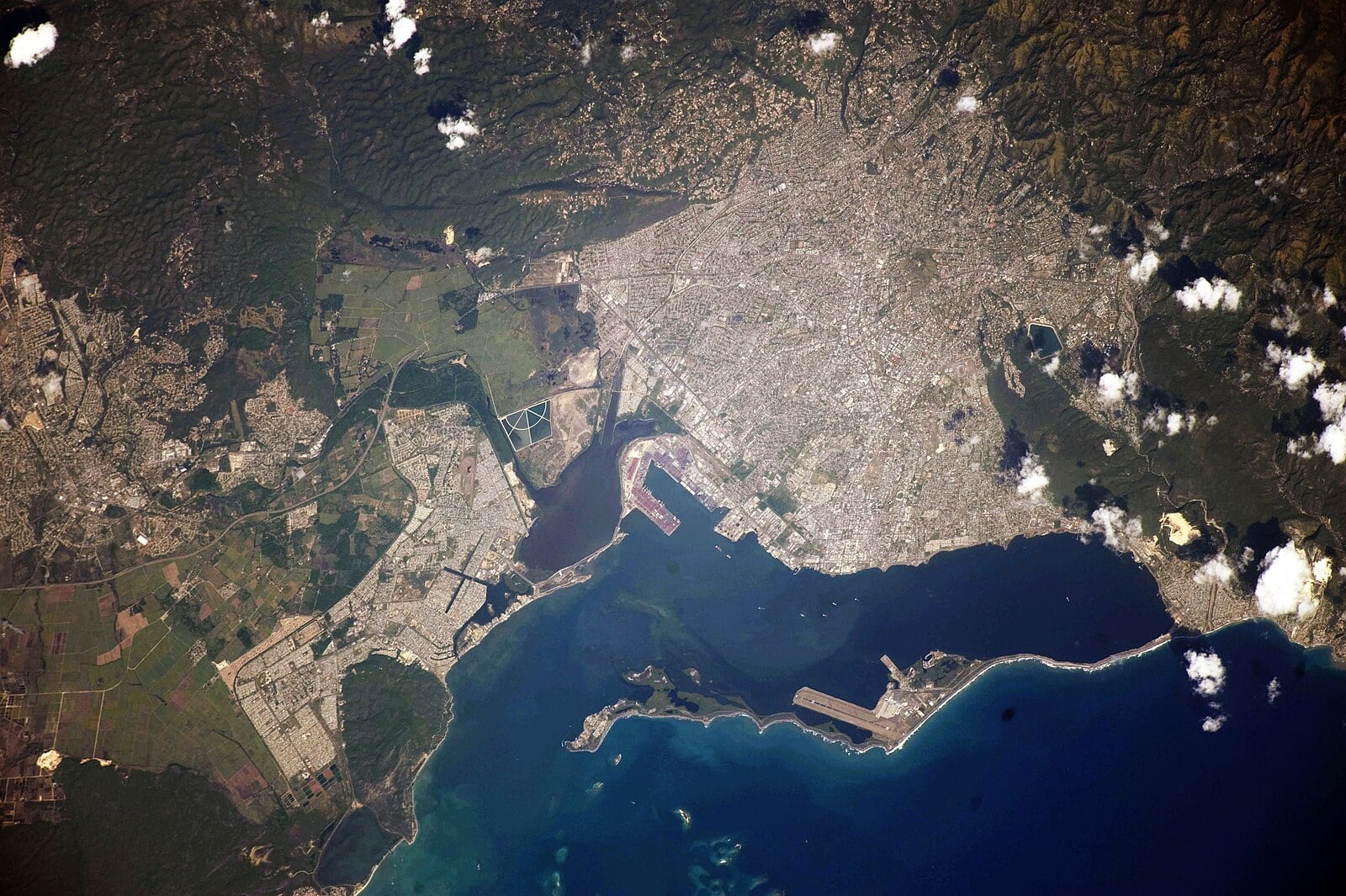
The UN Development Programme (UNDP) publishes the Human Development Index, which blends life expectancy, schooling and income. Its 2025 report, using 2023 data, gives Jamaica a score of 0.720. That ranks it 117th of 193 countries.
A score between 0.700 and 0.799 counts as “high” human development, so Jamaica sits just inside the band. The United States scores 0.938 and ranks 17th. Neighbouring Haiti scores 0.554 and ranks 166th.
The UNDP data show life expectancy at birth of 71.5 years in 2023 and about 10 years of average schooling for adults. Children can expect 12.4 years of education. Jamaica’s score has risen from 0.662 in 1990, but slowly compared with faster-growing neighbours.
Infrastructure and Quality of Life on the Island
Basic infrastructure is close to universal. In 2024, 97.7 percent of Jamaicans had access to electricity and 90.1 percent used the internet, World Bank data show. The US internet figure was 94.7 percent.
Poverty has fallen to its lowest on record. The Planning Institute of Jamaica (PIOJ), the government’s planning agency, put the national poverty rate at 7.8 percent in 2024. That was the lowest on record since 1989.
Extreme poverty is rare. Only 1.4 percent of Jamaicans lived below the World Bank’s international extreme-poverty line in 2021, the latest year measured.
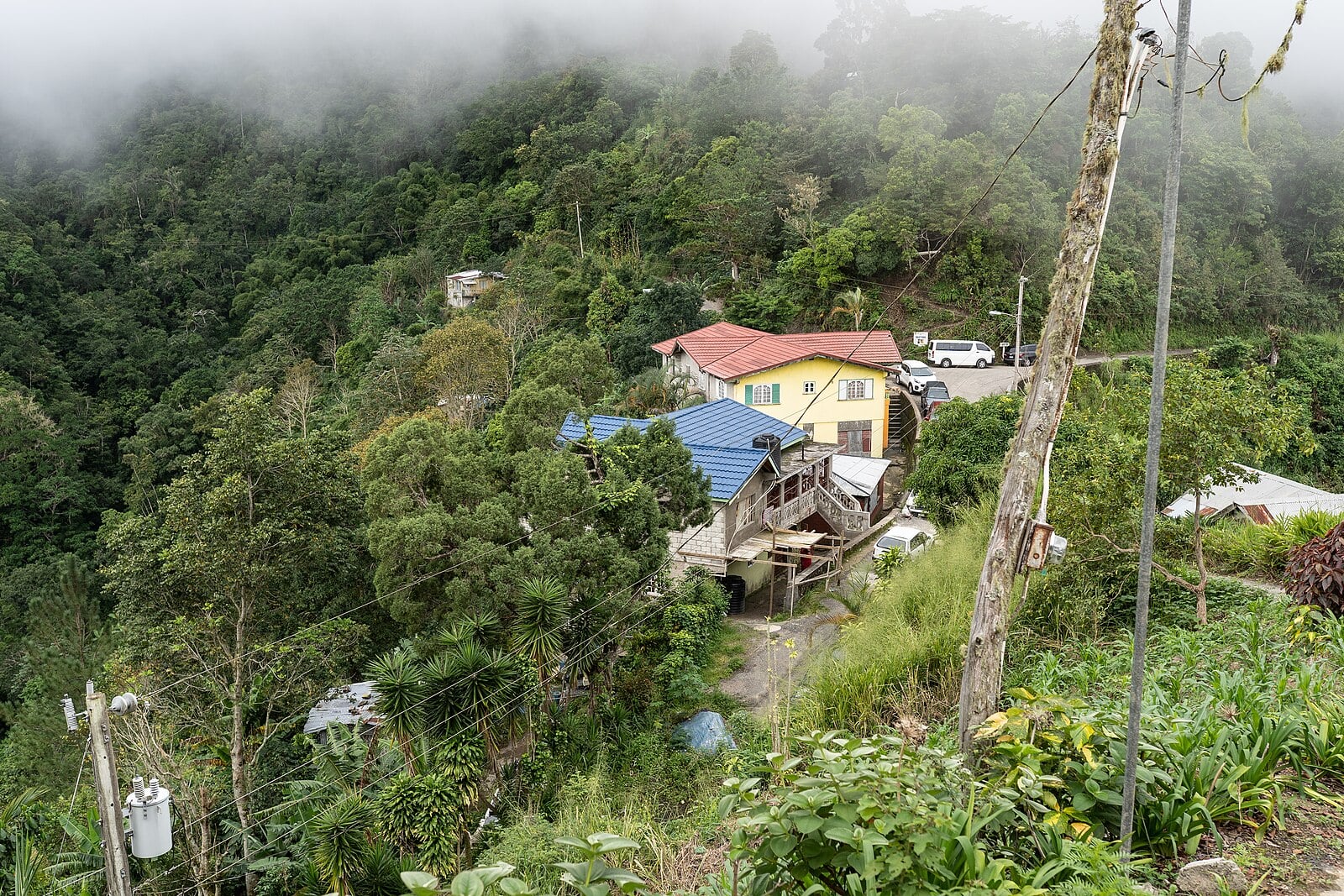
Crime is the main quality-of-life weakness. The US State Department says Jamaica’s homicide rate is among the highest in the Western Hemisphere. It adds that tourist areas generally see less violent crime.
The trend has improved sharply. The government says Jamaica recorded about 673 murders in 2025, a 31-year low and a 43 percent fall. In the worst years the island counted more than 1,600.
Health care is uneven. The State Department warns that basic and specialised care may be unavailable in many parts of the island. Private hospitals require payment before admitting patients.
The Debt Turnaround and the Hurricane Melissa Shock
Jamaica’s strongest argument against the third-world label is its public finances. Government debt peaked at 147 percent of GDP. Finance Minister Fayval Williams said in February 2025 that it would close the 2024/25 fiscal year below 70 percent.
That came from years of fiscal surpluses. The government ran a surplus in seven of the eight fiscal years to 2024/25. The exception was the COVID-19 year of 2020/21. Fitch Ratings affirmed Jamaica at BB-, stable, on 5 February 2026, citing that record.
Hurricane Melissa, a category 5 storm, crossed the island on 28 October 2025. An assessment led by the UN Economic Commission for Latin America and the Caribbean (ECLAC) followed. It put damage and losses at J$1.952 trillion (about US$12.2 billion). That equals 56.7 percent of 2024 GDP.
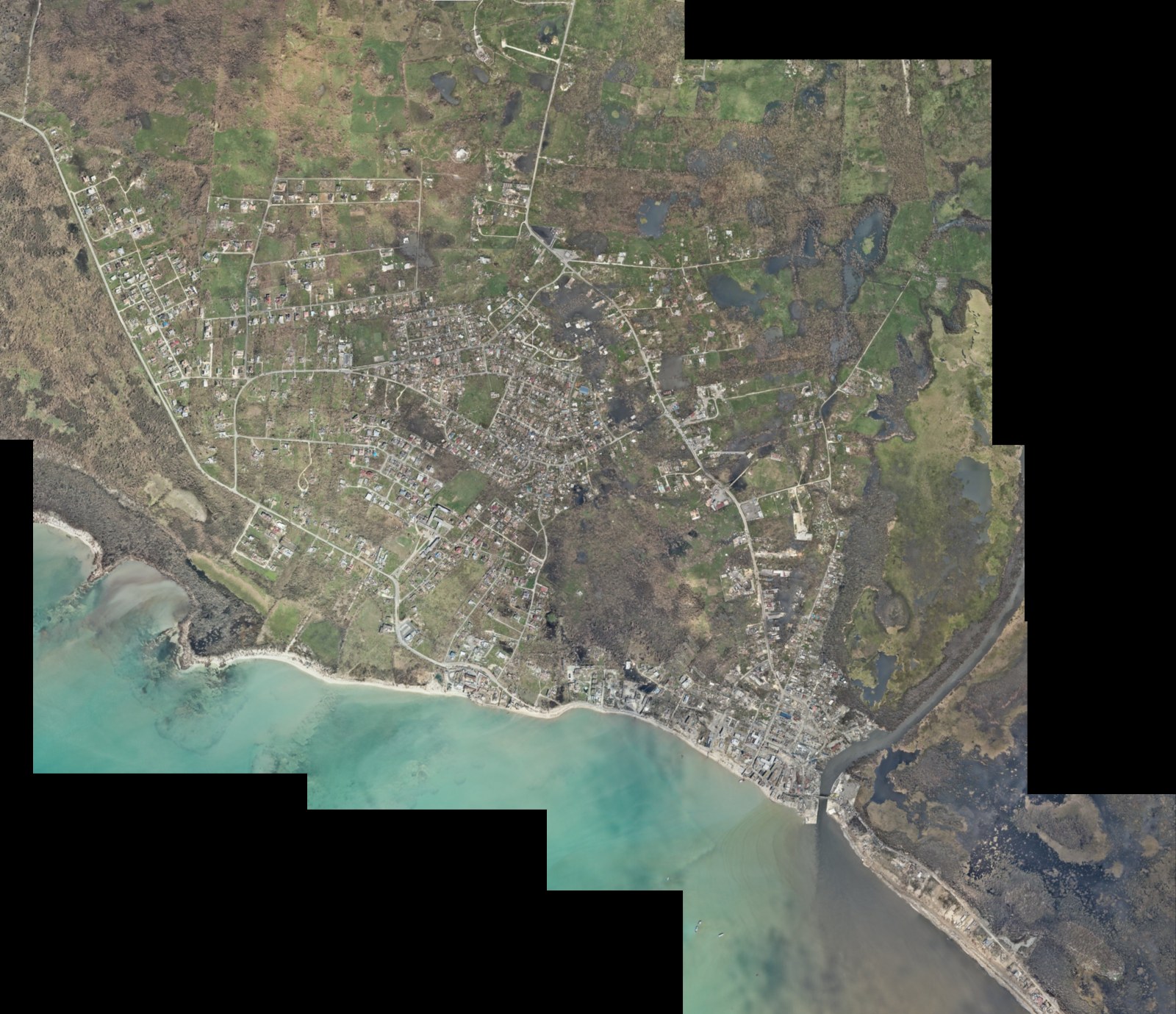
PIOJ chief Wayne Henry said the cost was more than four times that of Hurricane Gilbert, previously the costliest. The worst-hit parishes were Westmoreland, St Elizabeth, St James, St Ann, Trelawny and Manchester.
The House of Representatives approved a one-year suspension of the fiscal rules in December 2025 to fund recovery. The economy shrank an estimated 5.9 percent in the January to March 2026 quarter, against a year earlier, the PIOJ reported.
In March 2026 the government projected debt rising to 68 percent of GDP after the hurricane. It expects it to fall back to 60 percent by 2029/30. That is still well below US central government debt, 115.8 percent of GDP in 2024 per the World Bank.
Jamaica Compared With the United States and Its Neighbours
Set against its region, Jamaica sits in the middle. The figures below are 2025 GNI per person from the World Bank and 2023 HDI ranks from the UNDP.
- United States: US$88,810, high income, HDI rank 17.
- Barbados: US$27,080, high income, HDI rank 69.
- Trinidad and Tobago: US$18,550, high income, HDI rank 72.
- Costa Rica: US$17,930, high income, HDI rank 62.
- Dominican Republic: US$10,620, upper-middle income, HDI rank 89.
- Jamaica: US$7,790, upper-middle income, HDI rank 117.
- Haiti: US$2,010, lower-middle income, HDI rank 166.
Life expectancy tells a similar story. World Bank figures for 2024 put it at 71.6 years in Jamaica and 73.9 in the Dominican Republic. The United States stood at 78.9, Costa Rica at 81.0.
The closest comparison is the Dominican Republic, also upper-middle income. Jamaica is poorer per person. It has, however, cut its public debt by more than half from the peak.
What It Means for US Readers
Travellers. Jamaica is a Level 2 destination on the State Department’s four-level scale. Resort areas carry lower crime risk, but travel insurance matters because private hospitals want payment up front. Tourism capacity was still recovering in mid-2026, with about 70 percent of rooms available.
Investors. Jamaica’s BB- rating is below investment grade, and the hurricane has paused its fiscal rules. Its decade-long debt reduction is the main reason ratings held. Watch the PIOJ quarterly growth releases and the 2027/28 budget for the return to fiscal targets.
Expats and the diaspora. Electricity and the internet reach almost everyone, but incomes and public services lag far behind US levels. Remittances remain a pillar of household budgets. “Third world” is an outdated label; “upper-middle-income country” is the accurate term.
What Is Not Known
How fast the economy recovers is uncertain. In August 2026 the PIOJ estimated a 3.5 percent contraction for January to June and projected a return to growth in the October to December 2026 quarter. It named weather, energy prices and delayed projects as risks.
The next World Bank classification, due in July 2027, will use 2026 income, which includes the hurricane’s full-year effect. A drop out of upper-middle income looks unlikely given the margin, but the final figure is not yet published.
It is unclear whether the 2025 fall in murders will hold. Nor is it certain that debt will reach 60 percent by 2029/30. A new UN human development report with post-hurricane data has not yet been released.
Frequently Asked Questions
Is Jamaica a third world country?
No. Third world is a Cold War political term, not an official category. The World Bank classifies Jamaica as upper-middle income for fiscal 2027, and the UN rates its human development as high, ranking it 117th of 193 countries.
Where does the term third world come from?
French demographer Alfred Sauvy coined it in L’Observateur on 14 August 1952. He compared poorer nations outside the US-led and Soviet-led blocs with the third estate of the French Revolution.
What is Jamaica’s income per person?
Gross national income per person was US$7,790 in 2025 under the World Bank Atlas method, against US$88,810 in the United States. At purchasing power parity it was US$13,090.
How much damage did Hurricane Melissa do to Jamaica?
The Planning Institute of Jamaica put damage and losses at about US$12.2 billion, or 56.7 percent of 2024 GDP. The storm struck on 28 October 2025 and hit the western parishes hardest.
Is Jamaica safe for American tourists?
The US State Department rates Jamaica Level 2, Exercise Increased Caution, in an advisory reissued in June 2026. It cites crime and health risks but notes that tourist areas generally see less violent crime.
How high is Jamaica’s public debt?
Debt fell from a peak of 147 percent of GDP to below 70 percent by March 2025, the finance ministry said. After Hurricane Melissa the government projects a rise to 68 percent, then 60 percent by 2029/30.
Sources: World Bank, country and lending groups, fiscal 2027; World Bank, World Development Indicators API; UNDP, Human Development Report 2025 data; Bank of Jamaica, indicative rates; JIS, Hurricane Melissa damage and loss; JIS, debt below 70 percent; JIS, fiscal responsibility and debt path; JIS, Fitch affirmation; JIS, March 2026 quarter GDP; JIS, PIOJ growth outlook August 2026; JIS, poverty at 7.8 percent; JIS, murders in 2025; JIS, visitor arrivals to May 2026; US State Department, Jamaica travel advisory; Encyclopædia Universalis, Tiers monde; World Bank Data Blog, the term developing world. All accessed 11 October 2026.