By The Rio Times | Created at 2026-10-04 21:41:38 | Updated at 2026-10-04 22:28:13
1 hour ago
By The Rio Times | Created at 2026-10-04 21:41:38 | Updated at 2026-10-04 22:28:13
1 hour ago
POLITICS · JAMAICA
Key Facts
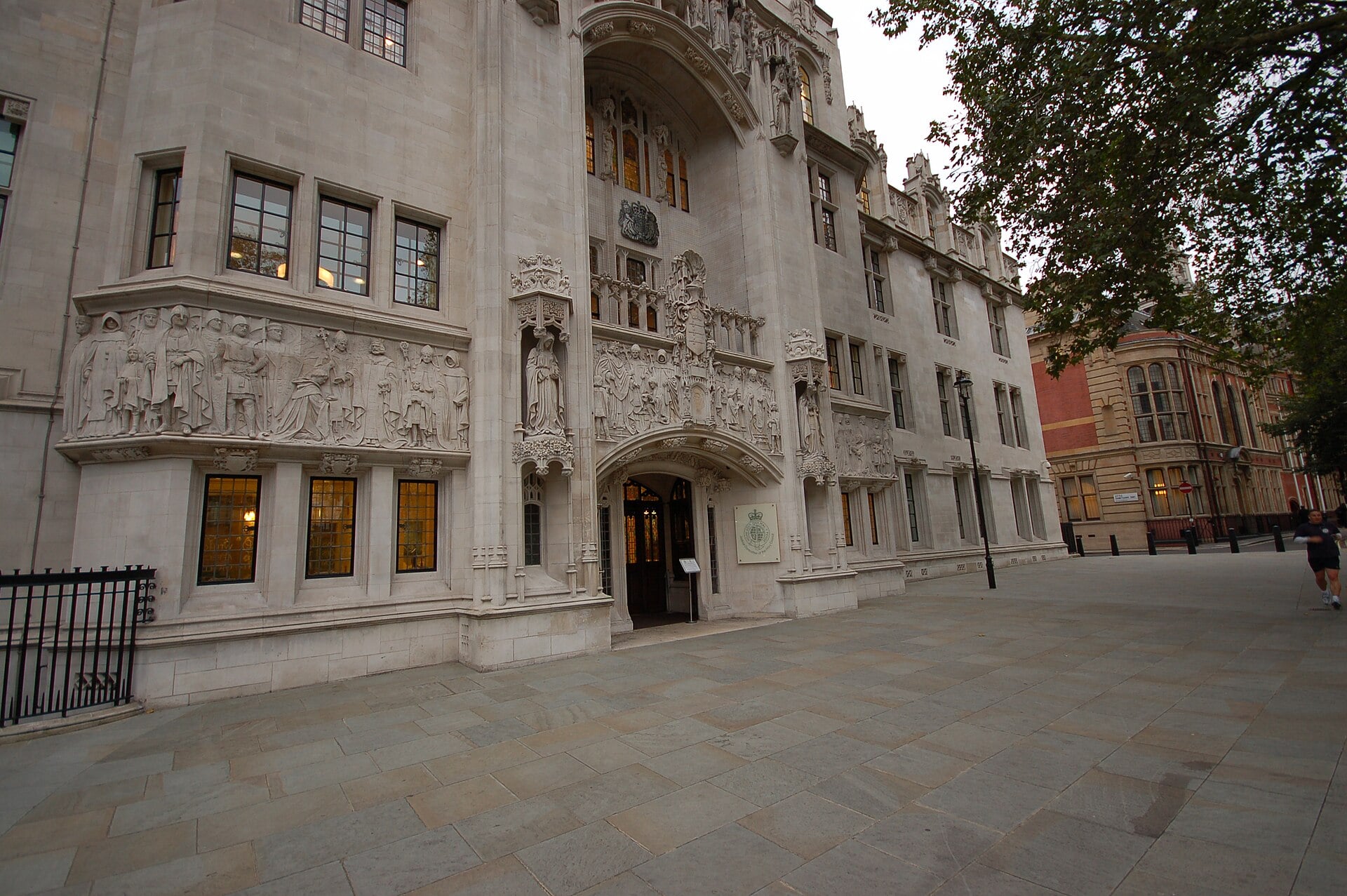
- —The country Jamaica keeps King Charles III as head of state. Its final court of appeal is still the Judicial Committee of the Privy Council in London.
- —What happened On 4 October 2026, Justice Minister Delroy Chuck told the Jamaica Observer the final court “should be a Jamaican appellate court”, not the Caribbean Court of Justice (CCJ).
- —Who is involved Prime Minister Andrew Holness’s government; Opposition Leader Mark Golding of the People’s National Party (PNP); opposition justice spokesperson Zuleika Jess.
- —What it means for you Nothing changes in the courts for now. Chuck said the Privy Council stays Jamaica’s final court until Jamaicans agree on a replacement.
- —Still open Whether Golding answers a letter from Holness sent last year, and when the stalled republic bill returns to Parliament.
Jamaica Justice Minister Delroy Chuck says the country’s eventual final court of appeal should be Jamaican. He ruled out, for now, giving that role to the Caribbean Court of Justice (CCJ), a regional court in Trinidad and Tobago.
His comments came in an interview with the Jamaica Observer published on Sunday 4 October. Until the two main parties agree, he said, the Privy Council in London remains Jamaica’s court of last resort.
What Chuck said
The Jamaica justice minister, who also handles constitutional affairs, said there is “a general consensus” among most Jamaicans and within government. The final court, he said, “should be a Jamaican appellate court and not a Caribbean court of justice.”
He called the CCJ “basically a part of a political system that doesn’t exist”. With no Caribbean political system, he argued, Jamaica is not agreeing to the CCJ as its final court “at this present moment”.
He noted that Jamaica has signed on to the CCJ’s original jurisdiction, which handles disputes under the Caribbean Community (CARICOM) treaty. Swapping the Privy Council for the CCJ, in his view, would only replace one external court with another.
He said the Privy Council is the court “we have been using and will continue to use” until Jamaicans agree on a final court. That leaves the current system in place for every pending appeal.
Follow this story
Get an email when there’s news on Jamaica
Free. One email a day at most, and only when there is news. This also signs you up to our weekday newsletter, The LatAm Brief. Nothing arrives until you click the confirmation link, and you can stop either with one click. Privacy policy.
A stalled move to a republic
The remarks are the latest round in a long dispute between Holness’s Jamaica Labour Party government and the opposition PNP. At stake is which court should sit at the top of the system as Jamaica tries to become a republic.
A 2024 republic bill to remove the British monarch has been tabled but not passed. Chuck urged MPs to revisit it in a debate on 10 June 2026, according to the Jamaica Information Service (JIS), the government news agency.
On Sunday he accused the PNP of using accession to the CCJ as a tactic to delay constitutional reform. He said Opposition Leader Mark Golding has not answered a long letter Holness sent him last year.
Chuck suggested Golding pass the file to Zuleika Jess, the opposition justice spokesperson, so she and a team could meet him. He called it “most inappropriate” that no such meeting between the two sides has been organised.
Room for a middle path
The government’s stance still leaves space on who would sit on the bench. In June, Chuck pointed to Hong Kong, whose top court mixes local and international judges.
He told Parliament he would not mind if “five Caribbean court judges sit” on a Jamaican final court, according to JIS. “But it must be a Jamaican final court,” he added.
He has also said the court question will go to the public through constitutional town hall meetings. On Sunday he urged the opposition to form a parliamentary team to find areas that could be agreed and implemented.
The Privy Council remains central to Jamaican legal life, as the recent reparations petition referred to the Privy Council shows. For wider political context, see Jamaica Explained.
What Is Not Yet Known
The Observer report carried no response from the PNP. It is not clear whether Golding will answer Holness’s letter or name a team for talks.
No date has been announced for the town hall meetings or for a debate on the republic bill. Any change to the final court would require amending the Constitution, which needs broad agreement between the parties.
Sources: Jamaica Observer, interview with Justice Minister Delroy Chuck, 4 October 2026; Jamaica Information Service, “Justice Minister Urges MPs to Revisit Bill to Make Jamaica a Republic”, 12 June 2026; Caribbean Court of Justice.
This article was drafted with automated assistance and reviewed before publication. How we use AI · Report an error · Editorial responsibility: Matthias Camenzind, Editor-in-Chief
The Rio Times · Power Map
See who really holds power in Latin America
Click to open the Power Map →