 By GB News (Politics) | Created at 2026-10-04 10:21:48 | Updated at 2026-10-04 11:08:46
52 minutes ago
By GB News (Politics) | Created at 2026-10-04 10:21:48 | Updated at 2026-10-04 11:08:46
52 minutes ago
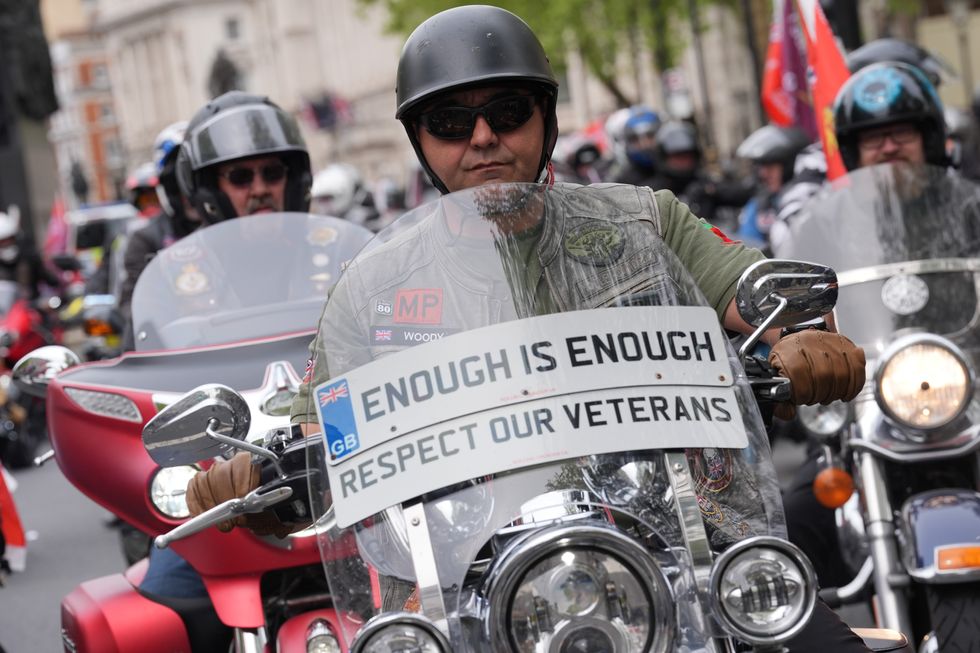
Labour has been accused of "betraying" special-forces veterans by four of Britain's most distinguished retired Army generals after placing its diplomatic relationship with Dublin and the EU above the welfare of former soldiers who served during the Troubles.
In a letter, the former officers said ministers were acting with "duplicity" towards the Armed Forces and attempting to "ram through" the Troubles bill without addressing their concerns.
The generals accused the Prime Minister of treating Northern Ireland veterans as "expendable pawns in political manoeuvres" and cautioned the Government not to "break the vital bond of trust between the soldier and the state".
Northern Ireland Secretary Sir Chris Bryant has obstructed amendments designed to shield former servicemen and women from legal proceedings, the retired commanders claim.
Under the Conservatives, the 2023 Legacy Act provided veterans with conditional immunity from prosecution for actions during the conflict, while also bringing an end to all fresh civil cases and inquests.
Labour has since moved to replace key elements of that framework with an independent commission empowered to conduct investigations into Troubles-related incidents.
Ministers have reportedly informed the retired generals that certain provisions of the bill cannot be altered owing to commitments made to the Irish government, aimed at "[enabling] truth for families of the Troubles".
But the generals remained insistent. Should the framework require modification, they wrote in the letter published by The Telegraph, then "so be it", adding: "It may be hard but it is also necessary."
Labour have been accused of 'betraying' special-forces veterans by four of Britain's most distinguished retired Army generals
Sir Peter Wall, who served as chief of the General Staff from 2010 to 2014, was particularly forthright. He argued the "motivation to forge better relations with the EU is overriding any sense of duty" to Troubles veterans, many of whom had served with the SAS.
Sir Peter accused Sir Chris of insisting that reopening the framework would consume too much time, meaning "the Government relationship with Dublin taking primacy over its sense of duty to our veterans and its future soldiers".
Sir Nick Parker, who commanded Britain's land forces from 2010 to 2012, revealed that he and fellow retired military leaders had spent the past twelve months engaging with ministers in pursuit of what they regarded as essential changes to the legislation.
"It is becoming very clear to us that we are not being treated as seriously as we believe we should be," he told The Telegraph.
Northern Ireland Secretary Sir Chris Bryant, has been blamed by the retired commanders for obstructing amendments designed to shield former servicemen and women from legal proceedings

Sir Nick, who oversaw the historic withdrawal of troops from Northern Ireland's streets after more than three decades, went further, saying: "It makes me feel that the government doesn't understand its responsibility for the security and defence of its people. It doesn't understand its contract with those who serve it."
The letter also bears the signatures of Sir Richard Barrons, who led Joint Forces Command from 2013 to 2016, and Gen Sir Chris Deverell, his successor in that role from 2016 to 2019.
Sir Chris pushed back against the generals' objections, maintaining that Operation Banner veterans were owed "a huge debt of gratitude" and insisting: "There is no equivalence whatsoever between the acts of soldiers doing their lawful duty, and those of terrorists."
Sir Nick Parker revealed that he and fellow retired military leaders had spent the past twelve months engaging with ministers in pursuit of what they regarded as essential changes to the legislation
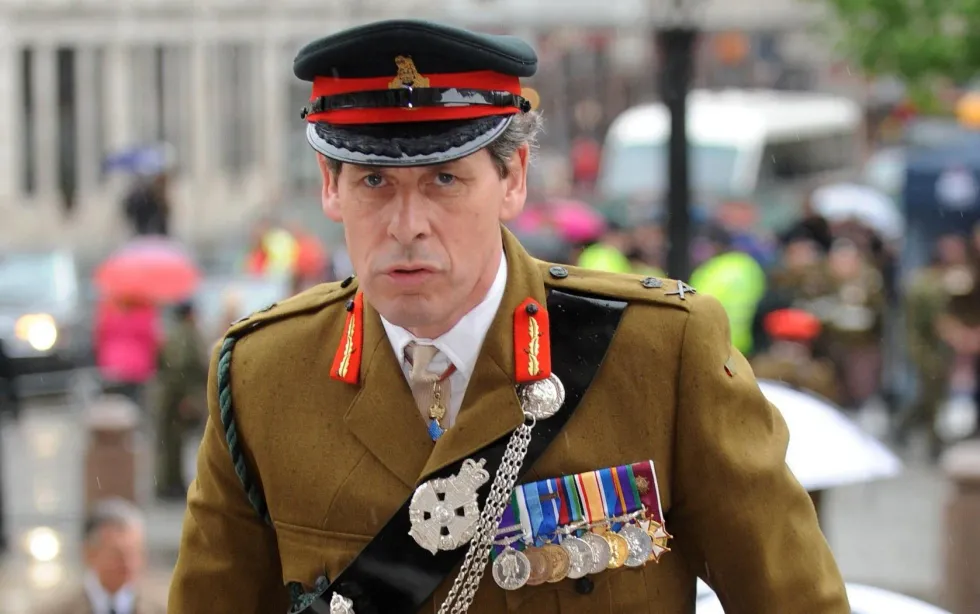
The Northern Ireland Secretary described the commitments secured from Irish authorities on information sharing as "unprecedented", stressing they posed no obstacle to safeguarding former service personnel.
He acknowledged the depth of feeling within military circles, saying the government remained in "close, constructive dialogue with former senior officers, representatives of Regimental Associations, and the third sector" as the bill progressed through Parliament.
A source close to Sir Chris also maintained the framework bore a strong resemblance to the 2014 Stormont House agreement and had "nothing to do with resetting relations with the EU", but was instead about delivering answers for over 1,000 bereaved British families.